The world of sports rehabilitation leaves no doubt about the importance of posterior chain injuries and their recovery, especially for athletes in high intensity sports like soccer. For hamstring strains, especially, there are extensive resources detailing effective rehabilitation techniques, exercises, and training plans. These injuries are often the focus of research due to their high incidence and the significant impact they have on performance.
However, when it comes to anterior chain injuries, particularly those affecting the hip, there is conspicuously less comprehensive literature and fewer guidelines available.
Anterior hip pain is a common complaint among professional soccer players. Groin injuries account for 14-19% of all injuries [1], and the prevalence of groin symptoms (with or without injury) in season may be as high as 24% [2].
The hip joint is particularly vulnerable to soccer’s dynamic nature: rapid changes in direction, kicking, sprinting, and physical contact. The anterior hip is susceptible to various injuries due to the high demands placed on the muscles, ligaments, and tendons surrounding this area; and because it is responsible for force transmission, absorption, and stabilization [3].

Tweet ThisThe world of sports rehabilitation leaves no doubt about the importance of posterior chain injuries and their recovery. However, when it comes to anterior chain injuries, particularly those affecting the hip, there is conspicuously less comprehensive literature and fewer guidelines available
@sarmisteadnz
Anterior hip anatomy and common injuries
The anterior hip’s anatomy is essential for understanding its role in athletic performance and the origins of pain. The hip joint allows movement in all three planes: flexion, extension, abduction, adduction, and internal and external rotation. This wide range of motion is critical for activities like sprinting, kicking, and cutting maneuvers in sports.
Ligaments such as the iliofemoral, pubofemoral, and ischiofemoral provide joint stability by limiting excessive movements like hyperextension and abduction. The labrum encircles the acetabulum, enhancing joint stability by securing the femoral head.
Additionally, the femoral and obturator nerves supply the hip region, playing roles in muscle activation. Neural entrapments or injuries to these structures can contribute to anterior hip pain.
The high intensity and repetitive nature of anteriorly driven movements in soccer put players at risk of various anterior hip pathologies. Understanding the direction of force in the mechanism of injury can help the practitioner gain insight into potential structural involvement.
Tweet ThisThe high intensity and repetitive nature of anteriorly driven movements in soccer put players at risk of various anterior hip pathologies. Understanding the direction of force in the mechanism of injury can help the practitioner gain insight into potential structural involvement.
@sarmisteadnz
Iliopsoas tendinopathy
One of the most frequent causes of anterior hip pain in soccer players is iliopsoas tendinopathy, which occurs due to overuse or excessive loading or use of the iliopsoas muscle-tendon unit. Sprinting, kicking, and sudden changes in direction place significant stress on this structure [4], leading to irritation, inflammation, and potential microtears in the tendon.
Rectus femoris strain
The rectus femoris, being both a hip flexor and knee extensor, is highly susceptible to injury, especially during sprinting and powerful kicking. Strains or tears in the rectus femoris commonly occur during sudden, forceful contractions, such as when a player accelerates or decelerates suddenly, or strikes a ball with high effort.
Adductor strain
Adductor strains are a common cause of anterior hip pain in soccer, typically resulting from rapid changes in direction, forceful lateral movements, or an overstretching the muscle group during kicking and reaching. The adductor longus is the most affected muscle in this group [5].
Hip flexor strain
A hip flexor strain occurs when one of the muscles responsible for lifting the knee, usually the iliopsoas or rectus femoris, is overstretched or torn. This injury often results from explosive movements, such as sprinting or kicking. The repetitive responsibility of the hip flexors in soccer movements make injury and tightness of the hip flexor common, often without underlying pathological injury.

Labral tears
The labrum is a fibrocartilaginous structure that surrounds the acetabulum, providing stability and cushioning to the hip joint. In soccer, labral tears can occur due to repetitive hip flexion, twisting movements, or direct trauma.
Femoroacetabular impingement (FAI)
FAI is a condition in which abnormal contact between the femoral head and acetabulum causes damage to the hip joint. Soccer players are at higher risk due to the frequent flexion and rotation movements involved in the sport. FAI can lead to labral tears and early osteoarthritis if left untreated.
Sports hernia (athletic pubalgia)
A sports hernia is a soft tissue injury to the groin area, often caused by repetitive twisting or turning movements during high speed activities like kicking or sprinting. It is a common cause of chronic groin pain in soccer players and is often challenging to diagnose due to its diffuse symptoms.
Osteitis pubis
Osteitis pubis is an inflammation of the pubic symphysis, the joint at the front of the pelvis. This condition results from repetitive stress and overuse, commonly seen in soccer players due to the frequent kicking and twisting motions. The condition is characterized by pain in the groin and lower abdomen.
| Pathology | Signs/Symptoms | Mechanisms of Injury (Commonly seen listed on top) |
| Iliopsoas Tendinopathy | – Discomfort with high intensity actions (running, kicking) – Sharp, deep, localized pain in groin area – Difficulty flexing hip through the swing phase of kicking | – Chronic: Sprinting, kicking, and abrupt directional changes – Acute: Sudden forceful hip flexion |
| Rectus Femoris Strain | – Sharp, localized pain in the anterior thigh – Weakness, bruising, difficulty with hip extension – Limited knee extension | – Acute: Forceful contractions during sprinting/kicking, or with high effort eccentric contractions – Chronic: Repeated sprinting/kicking actions |
| Adductor (Groin) Strain | – Localized pain in the groin – Pain worsening with hip adduction – Pain may radiate along inner thigh | – Acute: Sudden directional changes, lateral lunges, or overstretching – Chronic: Repeated adductor actions |
| Hip Flexor Strain | – Sharp/sudden onset of pain in the anterior hip – Weakness in hip flexion – Limited hip ROM | – Acute: Overstretching during sprint starts or explosive leg movements – Chronic: Repetitive hip flexion actions |
| Labral Tear | – Deep pain within the hip joint – Clicking/catching sensation with hip movement – Positive “C-Sign” (patient points to groin with hand cupped around greater trochanter) | – Chronic: Repetitive twisting/pivoting, hyper-extension – Acute: Trauma during tackles or falls |
| Femoroacetabular Impingement (FAI) | – Deep groin pain, particularly with hip flexion and internal rotation – Limited hip ROM – Gradual onset of pain, worsening with activity | – Chronic: Repeated flexion and rotation during cutting, kicking, or tackles |
| Sports Hernia (Athletic Pubalgia) | – Deep groin or lower abdominal pain with explosive movements (cutting, sprinting, kicking) | – Chronic: Repetitive twisting/cutting or kicking – Acute: Sudden twist or abdominal impact |
| Osteitis Pubis | – Pain in the pubic area, worsening with activities stressing symphysis pubis (kicking, cutting) | – Chronic: Repeated kicking/cutting or inadequate recovery |
| Pathology | Indicators for Coaches | Diagnostics and RTP Benchmarks |
| Iliopsoas Tendinopathy | – Pain in groin area (esp. kicking or hip follow-through) – Patient may report feeling “tight” in hip flexors | – Thomas Test or resisted hip flexion elicits pain – MRI/ultrasound confirms tendinopathy – RTP: Pain-free hip flexion to 90%, active control, no pain with high intensity sprints (90% max speed), strength symmetry |
| Rectus Femoris Strain | – Sudden stoppage with anterior thigh pain – Difficulty with high intensity sprints (90% max speed) – Reduced explosive power | – Pain localized via palpation or active contraction tests – RTP: 90% strength and ROM symmetry, pain-free explosive movements and sprints |
| Adductor (Groin) Strain | – Pain during lateral movement, reduced instep passing power – Difficulty with lateral shuffles/lunges/cutting | – Squeeze Test or resisted adduction reproduces pain – No adduction: >90% strength symmetry, full execution of lateral movements in game situations |
| Hip Flexor Strain | – Reduced sprint stride length or power – Difficulty performing kicking/grappling | – Resisted hip flexion/passive stretching provokes pain – RTP: 100% strength recovery, pain-free ROM, sport-specific skills |
| Labral Tear | – Deep hip pain, clicking/sensation – Reduced rotational mobility | – FADIR test elicits impingement pain – MRI/arthrography confirms labral damage – RTP: Pain-free rotational movements, restored stability and endurance |
| Femoroacetabular Impingement (FAI) | – Reduced hip flexion or internal rotation range – Avoidance of tight-knee sprinting or twisting actions | – Imaging reveals abnormal femoral-acetabular contact – Positive FADIR test – RTP: Symmetrical hip rotation & ROM, pain-free sport-specific movements |
| Sports Hernia (Athletic Pubalgia) | – Diffuse groin/lower abdominal pain during explosive actions – Core instability – Difficulty with sit-ups or leg raises | – Pain during resisted sit-ups, pubic symphysis palpation – RTP: Pain-free core stability, readiness for explosive directional changes |
| Osteitis Pubis | – Discomfort in core-heavy drills – Struggles with kicking/sprinting – Excessive lumbar lordosis (arching of back) | – Palpation of pubic symphysis elicits pain, inflammation – RTP: Pain-free multidirectional activities, sufficient core stabilization capacity |
Testing of the anterior hip
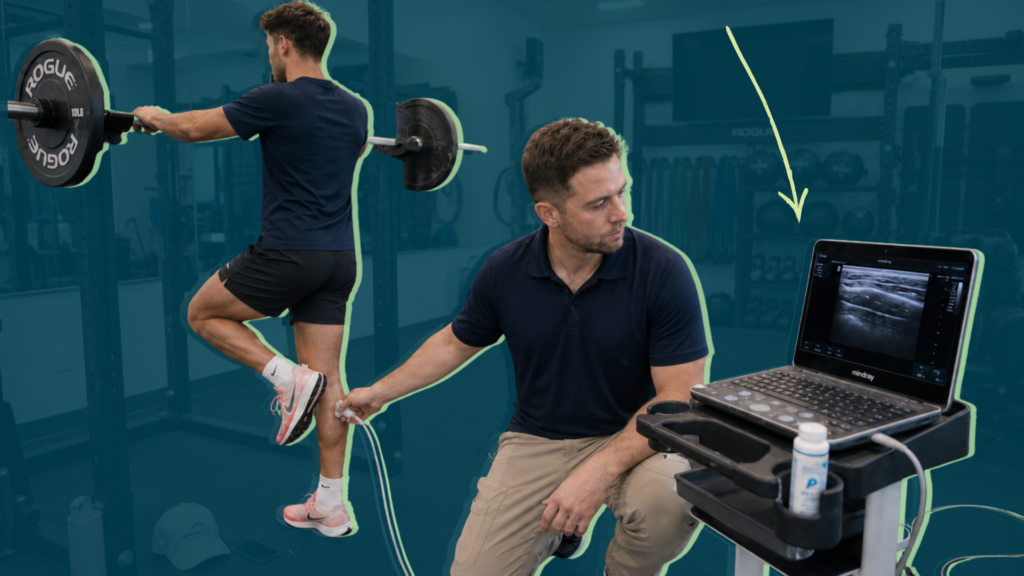
As with all testing, the first step in assessing the anterior hip involves taking a full injury / performance history, along with palpation and range of motion assessment to ensure there are no absolute contraindications, e.g., recent acute injury, gross reduction in range of motion, or gapping. A handheld dynamometer is the best way to obtain objective measures of force generating capacity, and creates an opportunity for the athlete to report their comfort or pain during force generation on a visual analogue scale (VAS).
With the player supine, bring both the hip and knee into 90° of flexion (90/90). Applying an inferior force at the knee will test the hip flexors from a shortened origin. Following the 90/90 test, bring the player into approximately 30° of hip and knee flexion and apply inferior force to test volitional strength in an elongated position.
Adductor strength testing can be performed from either the knee or the ankle. Keeping the athlete supine, bring the player to their end range of hip abduction in a long lever (testing at the ankle). Resisting adduction in this position will provide a good, broad overview of the adductor muscle group and engage hip stabilizers. Bringing them into flexion, adduction, and external rotation (FADER) and testing force production at the knee will bias the adductor magnus.
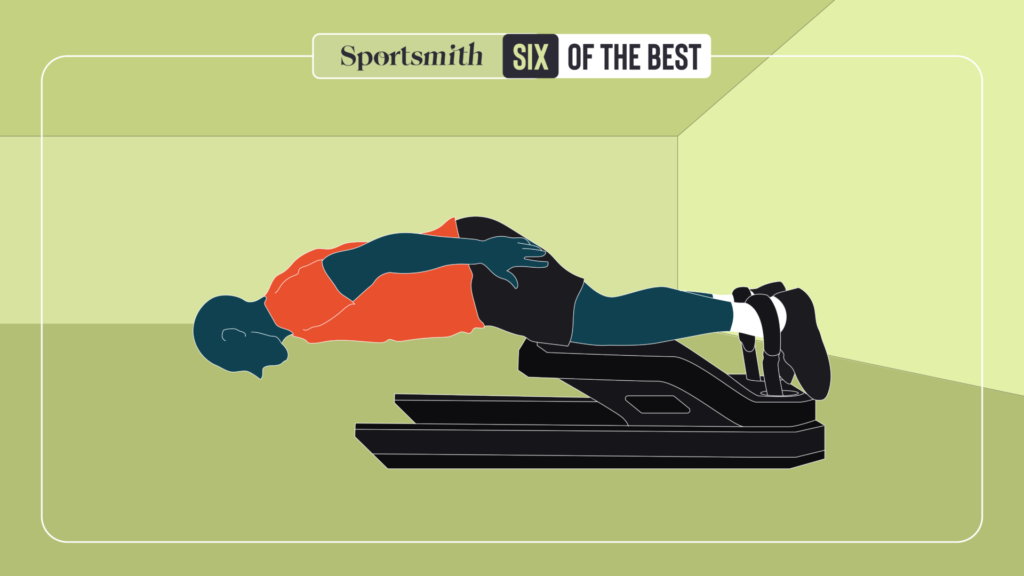
A prone Ely’s test will stress the rectus femoris and quadriceps group at neutral position. The hip flexors can be elongated by placing a knee or bolster under the knee to bring the hip into extension before actively generating force inferiorly.
From here, practitioners can perform specific testing using technologies such as VALD’s Force Frame.
When testing hip adductor strength via Force Frame, we need to consider the lever arm and location of force production. Testing at 60° of hip flexion with the load cell placed at the knee will bias more proximal adductors such as adductor longus and gracilis, and produce a high absolute level of force, largely as a result of the shorter moment arm.
Testing from 0° of hip flexion with the load cell at the ankle elicits a high hip adduction torque, high test/retest precision, and is appropriate for maximal strength [6,7], resulting in a lower absolute score compared to a short lever. While both short and long lever hip adduction require force generation from the entire adductor muscle group, practitioners should consider the specificity of each when using them as proxies for determining specific muscle strength.
The high intensity and repetitive nature of anteriorly driven movements in soccer put players at risk of various anterior hip pathologies. Understanding the direction of force in the mechanism of injury can help the practitioner gain insight into potential structural involvement.”
Tweet ThisAs with all testing, the first step in assessing the anterior hip involves taking a full injury / performance history, along with palpation and range of motion assessment to ensure there are no absolute contraindications
@sarmisteadnz
Case study: Rehabilitating a soccer player’s psoas injury
A professional soccer player presents with deep localized pain following a sudden acceleration during a match. The pain is localized to the anterior hip and worsens with hip flexion and kicking. An MRI confirms the diagnosis of a Grade I iliopsoas strain.
The athlete shows no comorbidities. Assuming everything goes well during rehabilitation, he should be functional and back to team training in 11-25 days [8].
With a relatively quick rehabilitation, the athlete isn’t expected to lose the top end strength of the affected area. Therefore, there doesn’t need to be particular impetus to get him in the gym to increase strength — we’re not aiming to take an athlete from injury to personal strength records within three and a half weeks.
Practitioners should use this player’s time away from the team to work on individual areas of weakness, whether those are physical or technical. The goals of rehabilitation to the affected area for short term rehab should be to restore movement aptitude, reinforce appropriate proficiency in activation patterns, and safely return the athlete to the team environment as efficiently as possible.
| Total Distance (m) | High Speed Running (m) | Sprint Distance (m) | Accel/Decel | |
| Typical Game | 10, 000 – 12,000 | 800 – 1000 | 300 – 350 | 80 – 100 |
The primary goals for rehabilitating a psoas injury include reducing pain and inflammation, limiting catabolic processes; restoring range of motion, initiating on-field progression; regaining position specific movement competency, strength and stability in the hip flexors; and demonstrating confidence in the demands in a team environment.
Acute phase: Days 0 – 4
| Overview | Phase 1 into Phase 2: Acute Management into Early Rehabilitation |
| Rehab | Re-stablish Normal Range of Motion, incorporate hip activation and neural priming in prep |
| On-Field | Expose athlete to on-field GRF, introduce HSR Day 7. Introduce ball-at-feet day 6 |
| S & C | Maintain Upper Extremity stimulus through Phase 1, Initiate Isometric Strengthening Phase 2 d.5 |
| Day | 1 | 2 | 3 | 4 |
| Monitoring | Wellness/Readiness ROM HAGOS | Wellness/Readiness ROM | Wellness/Readiness ROM Isometric 50-80% Volitional | Wellness/Readiness ROM |
| Rehab (Activation) | – | – | Introduction isometrics | Isometric hold for time |
| On-Field (Movement Skill) | – | – | – | – |
| Ball Work Focus | – | – | – | – |
| On-Field Conditioning | – | – | – | – |
| Other Conditioning | – | – | Bike Spin | Bike spin – increased intensity |
| Hip Focus | – | – | – | – |
| S&C Focus | – | UE | – | UE |
| Day | 5 | 6 | 7 |
| Monitoring | Wellness/Readiness ROM HAGOS | Wellness/Readiness | Wellness/Readiness |
| Rehab (Activation) | Hip CARS | Low amplitude skips | Banded marches |
| On-Field (Movement Skill) | Introduction to running | Low level cutting | – |
| Ball Work Focus | – | Dribble circuits | Intro passing up to 10m |
| On-Field Conditioning | Run blocks | – | – |
| Other Conditioning | – | UE conditioning | – |
| Hip Focus | Sagittal plane kinematics during low speed running | Sagittal plane kinematics during low speed running | Extension/Flexion consistency and symmetry |
| S&C Focus | LE ISO | LE ISO | UE/Core |
| Session Target | Low level running | Low level A/D | Intro high speed running |
| Total Distance | 3000 | 3500 | 3500 |
| High Speed Running | 0 | 0 | 0 -100 |
| Sprint Distance (Z6) | 0 | 0 | 0 |
| % Max Velocity | 50% | 50% | 50-60% |
| Accelerations | 5-10 | 10-20 | 5-10 |
| Decelerations | 5-10 | 10-20 | 5-10 |
Objectives: Pain control, reduce inflammation, protect the injured tissue
The main goals of the first phase of rehabilitation are centered around limiting the destructive processes at the injury site. Throughout this phase, inflammation and pain mitigation strategies should be implemented as early and often as possible. By 72 hours post-injury, athletes can perform submaximal isometric contractions. As these are submaximal isometrics, there is no sliding of myofilaments, thus no change in muscle length and no risk of exposing the lesion to further damage.
Gym based activity should be focused on unaffected regions, including the upper extremity as long as excessive core activation doesn’t create or exacerbate symptoms. Day 3-4 is an appropriate time to begin spinning the legs on a bike, giving a low level stimulus to the affected tissue while maintaining the athlete non-weight bearing.
Practitioners should be mindful of early development of off-loading strategies and encourage the athlete to move as normally as possible.
Exit criteria for this stage includes resolution of measurable inflammation, pain free ADLs , a reduction of tenderness to palpation (not necessarily full resolution), passive range of motion approximately 80% of uninvolved side, and pain free within to this range. Additionally, isometric manual muscle testing should be above 70% of the uninvolved side. Their Copenhagen Hip and Groin Outcome Score (HAGOS) on day 5 should be above 65/100. At the end of this phase, the player should be starting active range of motion exercises, maintaining the range within the pain free threshold.
Early Rehabilitation: Days 5 – 9
| Overview | End Phase 2 into Phase 3: Early Rehabilitation into Progressive Overload |
| Rehab | Increase chaotic and random nature of training. Increase ball-at-feet conditioning |
| On-Field | Increase load in all KPIs, Achieve 75% Game A/D and HSR in single session by days 13 – 14 |
| S & C | Introduce LE Strength (isotonic) day 8, expose 3 total strength stimuli over rolling 7-day period. Increase force production in LE Iso compared to days 5 & 6 |
| Day | 8 | 9 | 10 | 11 |
| Monitoring | Wellness/Readiness ROM VALD Kicker | Wellness/Readiness | Wellness/Readiness ROM HAGOS | Wellness/Readiness |
| Rehab (Activation) | Keiser/Resisted Leg Swings Forward Lean Accelerations | – | Forward Lean Accelerations | Wall Drills |
| On-Field (Movement Skill) | Introduction Plyometrics | – | Stride Efficiency Focus | Increased Intensity plyometrics |
| Ball Work Focus | Passing into 15m range | Recovery/Regen | Passing into 15m range | Passing up to 20m |
| On-Field Conditioning | Ball-at-Feet Fartlek | Tactical Running Patterns | Tactical Running Patterns | Ball-at-Feet Fartlek |
| Other Conditioning | Bike Conditioning | – | Smoothness in transition from Hip Extension to Flexion | Bike Conditioning |
| Hip Focus | Pelvic Positioning when entering Z6 | LE Strength | – | Torso Control & Stability |
| S&C Focus | Introduce Z6, Increase A/D | Increase HSR Exposure | – | A/D 50% Game |
| Session target | Increase Z6, Increase A/D | Recovery/Regen | Increase HSR exposure | A/D 50% Game |
| Total distance | 4000 | 4500 | 4000 | |
| High speed running | 150 – 200 | 250-300 | 100-150 | |
| % Max velocity | 55-65% | 60-70% | 70-80% | |
| Sprint distance (Z6) | 0-50 | 0 | 75-100 | |
| Accelerations | 30-40 | 30-40 | 40-50 | |
| Decelerations | 30-40 | 30-40 | 40-50 |
Objectives: Restore range of motion and initiate light strengthening exercises
This phase is critical because it prepares and exposes the player to additional stress at the injured site while the area is still relatively early in its healing stage.
From about day 5 post-injury, the connective tissue at the injured site begins to compact and cellular repair continues to develop into early stages of scar formation. New myofibers fill the gapping that was present from injury.
On field, the priority should be establishing normalized gait patterns during low speed locomotion (< 65% maximal velocity), incorporating the ball as early and safely as possible, and ensuring steady pelvic control during dynamic movements.
Early gym based strength exercises can begin in a controlled manner, maintaining submaximal contraction. Due to their low threshold nature, the athlete can do these multiple times per day. The exercises should bias towards elongation of the affected tissues, while still staying in the pain free range due to the ongoing healing process.
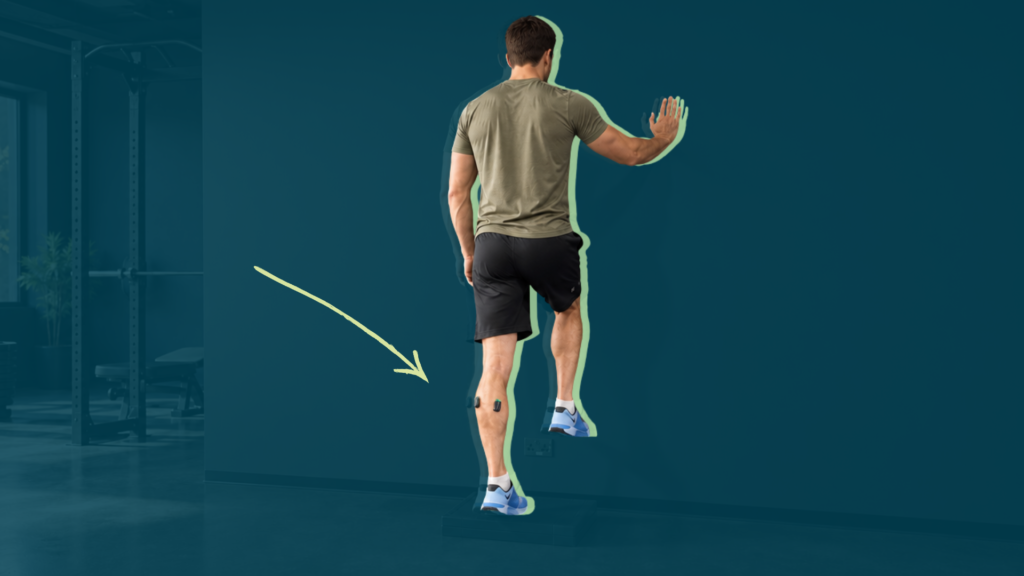
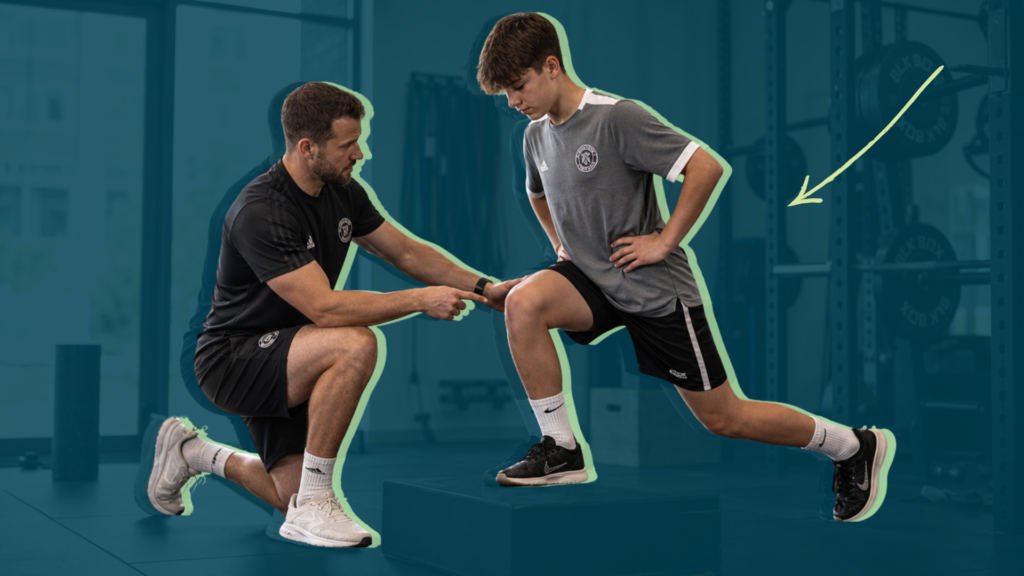
By day 8, the player should have the capacity to complete low level plyometric activities such as double and single leg high-low’s, cone jumps and hops, and ultimately low hurdle jumps and hops. These plyometrics should occur in all three planes of movement and ensure core stability. Players will have a tendency to compensate through the glutes (hip drop) and hip flexors (anterior pelvic shift). Ensuring the pelvis remains steady during the plyometric activity is critical for progressions.
To progress out of this phase of rehabilitation, the player should be able to achieve above 90% pain free active range of motion, and their manual muscle testing (VALD Kicker) is above 85% bilaterally. HAGOS should continue to increase progressively, and should be around 75/100. The player should demonstrate the ability to withstand at least 25 minutes of running activity, which can be broken into five blocks of five minutes.
Tweet ThisOn field, the priority should be establishing normalized gait patterns during low speed locomotion (< 65% maximal velocity), incorporating the ball as early and safely as possible, and ensuring steady pelvic control during dynamic movements
@sarmisteadnz
Progressive overload: Days 10 – 15
| Overview | End Phase 2 into Phase 3: Early Rehabilitation into Progressive Overload |
| Rehab | Increase chaotic and random nature of training. Increase ball-at-feet conditioning |
| On-Field | Increase load in all KPIs, Achieve 75% Game A/D and HSR in single session by days 13 – 14 |
| S & C | Introduce LE Strength (isotonic) day 8, expose 3 total strength stimuli over rolling 7-day period. Increase force production in LE Iso compared to days 5 & 6 |
| Day | 12 | 13 | 14 |
| Monitoring | Wellness/Readiness | Wellness/Readiness | Wellness/Readiness ROM |
| Rehab (Activation) | Reverse Lunge with Forward Knee Drive Box Drop & Stick | Lateral Bounds | Wall Drills 1080/Run Rocket Resisted Runs, Skips |
| On-Field (Movement Skill) | Banded Movement Overload Stride Efficiency | – | Banded Movement Overload Stride Speed/Ground Contact Time Focus |
| Ball Work Focus | Passing up to 20m | – | Passing up to 30m |
| On-Field Conditioning | HSR Repeats | Repeated Agility/Reactivity Drills | Z6 Repeats |
| Other Conditioning | – | Bike Conditioning | – |
| Hip Focus | Stride Symmetry | Torso Control & Stability under Fatigue | Stride Speed |
| S&C Focus | LE ISO | UE/Core | LE Strength |
| Session target | HSR 55% Game | A/D 75% Game | HSR 70-75% Game |
| Total distance | 5000 | 3500 | 6500 |
| High speed running | 450-550 | 100-150 | 600-700 |
| Sprint distance (Z6) | 0 | 0 | 175-250 |
| % Max velocity | 60-70% | 60-70% | 80-85% |
| Accelerations | 40-50 | 60-75 | 30-40 |
| Decelerations | 40-50 | 60-75 | 30-40 |
Objectives: Strengthen the iliopsoas and surrounding muscles and introduce dynamic exercises
The delicate balance in the third phase is between cellular healing and physiological conditioning. The player will be operating at higher speeds under fatigue for the first time since injury, which is where compensatory patterns often emerge.
Field based interventions shift to positional specific demands and conditioning. Priming exercises can begin to use overloading equipment such as a 1080 Sprint, Run Rocket, or bungee. Conditioning can increase speed to 60 – 75% of max velocity, with repeating bouts of high speed running (early in phase), reactivity or agility drills, and Zone 6 running late in phase. Ball work will also increase in intensity, and the length of passing should increase.
The practitioner should continue to monitor core stability, especially under fatigue during on field activities. An anterior tilt or increase in lumbar lordosis will produce additional strain through the anterior thigh, potentially leading to preventable discomfort.
Gym based training should increase the intensity of strength exercises. A conventional program can be reintroduced once the player is capable of effectively controlling pain free movement throughout their entire range. The plyometric actions can also increase in explosiveness, increasing the height at which the player is jumping or hopping to moderate sized hurdles, and adding box drops and low level drop jumps.
On the rehab table, range of motion and strength (VALD Kicker) should increase to 95% of uninvolved side and the HAGOS should be above 90/100.
Most of the exit criteria for this phase shifts towards a performance framework check list. The player should demonstrate the ability to tolerate increasing on field loads without compensatory patterns. If practitioners have a baseline measurement from the athlete pre-injury, tests such as a 15m or 30m sprint or agility T-drill should be within 95% of pre-injury values. For a CMJ, the RSI and flight time should be above 90% of pre-injury levels.
Approaching return to training: Day 16+
| Overview | Phase 3: Return to Sport/Return to Team |
| Rehab | Introduce prep flow that is to be conducted once out of rehabilitation phases and back training with team. |
| On-Field | Check capacity to tolerate game-derived loads for HSR, A/D, Sprint. Achieve > 90% Maximal Velocity |
| S & C | Ensure strength has returned to +/- 5% of baseline, pre-injury values |
| Day | 15 | 16 | 17 | 18 |
| Monitoring | Wellness/Readiness | Wellness/Readiness ROM HAGOS VALD Kicker | Wellness/Readiness | Wellness/Readiness |
| Rehab (Activation) | – | Post-Rehab Prep | Post-Rehab Prep | Post-Rehab Prep |
| On-Field (Movement Skill) | – | Passing 30-40m | – | Maximal Kicking |
| Ball Work Focus | – | HSR Repeats | – | Z6 Repeats |
| On-Field Conditioning | Recovery/Regen | – | – | – |
| Other Conditioning | – | – | – | |
| Hip Focus | Pelvic Position During Fatigued HSR | Postural Kinematics of Maximal A/D | Postural Kinematics of Maximal Speed Capacity | |
| S&C Focus | LE ISO | UE/Core | LE Strength | |
| Session target | HSR Game Equivalent | A/D Game Equivalent | Sp Game Equivalent | |
| Total distance | 7500 | 4500 | 6000 | |
| High speed running | 800-900 | 50-100 | 350-450 | |
| Sprint distance (Z6) | 50-100 | 0-25 | 300-350 | |
| % Max velocity | 75-85% | 60-70% | 90%+ | |
| Accelerations | 30-40 | 80-100 | 40-50 | |
| Decelerations | 30-40 | 80-100 | 40-50 |
Objectives: Gradually return to full soccer activities and ensure the injured muscle can handle the demands of the sport
The final phase of rehabilitation centers around ensuring the player is safe to return to full chaos and effectively returning to the team environment.
Dependent on game schedules, the player should demonstrate the capacity to tolerate full game equivalent loads in high speed running (Zone 6).
The maximal acceleration and deceleration speed should be 95% or higher, tested in a fatigued state. The player also should demonstrate confidence with maximal capacity speed exposure and position specific demands. Ideally, they will complete these end goal actions after position specific movement patterns.
For example:
- A defender enters their own box at high speed following a ball over the top into the channel, repositions themselves, and clears a cross.
- A midfielder drops into the space in front of a back line, receives a pass on the half turn, and plays a long ball switching the channel of play.
- A wide player runs onto a ball played into the channel, dribbles at pace down the line before playing a cross into the box.
- A striker runs down a ball struck into the space behind a back line, dribbles at speed into the box before shooting.
The HAGOS should be at least 95%. If the team uses a submaximal assessment of aerobic fitness, this should be at or better than the player’s last pre-injury test.
Moving forward, as the player returns to the team, twice weekly isometric strength training and daily mobility should be part of their pre-training / pre-game preparations.
Tweet ThisThe HAGOS should be at least 95%. If the team uses a submaximal assessment of aerobic fitness, this should be at or better than the player’s last pre-injury test. Moving forward, as the player returns to the team, twice weekly isometric strength training and daily mobility should be part of their pre-training / pre-game preparations
@sarmisteadnz