You define “functional” as whether an exercise achieves its desired adaptation, rather than the implement used. What does that shift actually change about how coaches should be selecting exercises?
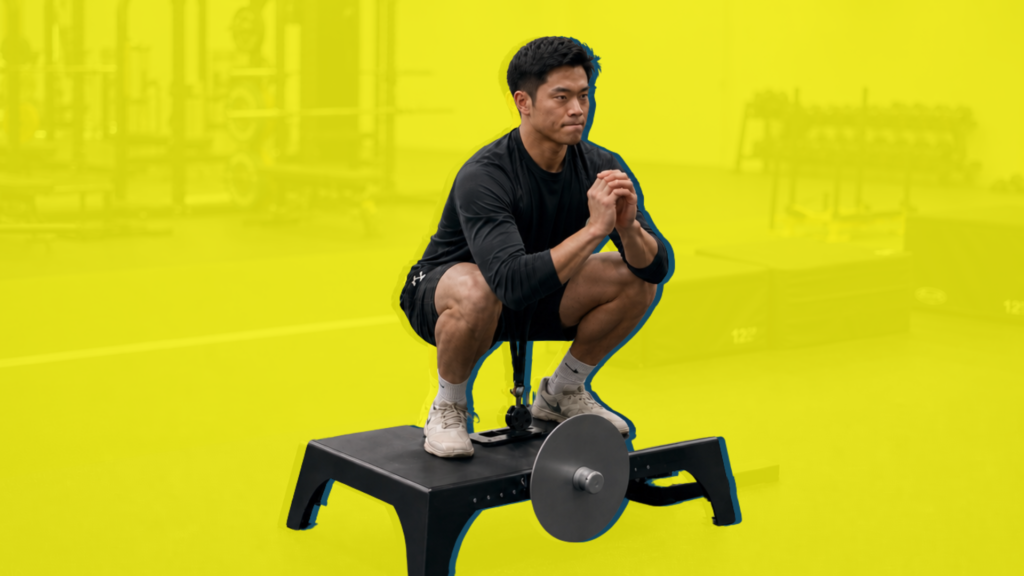
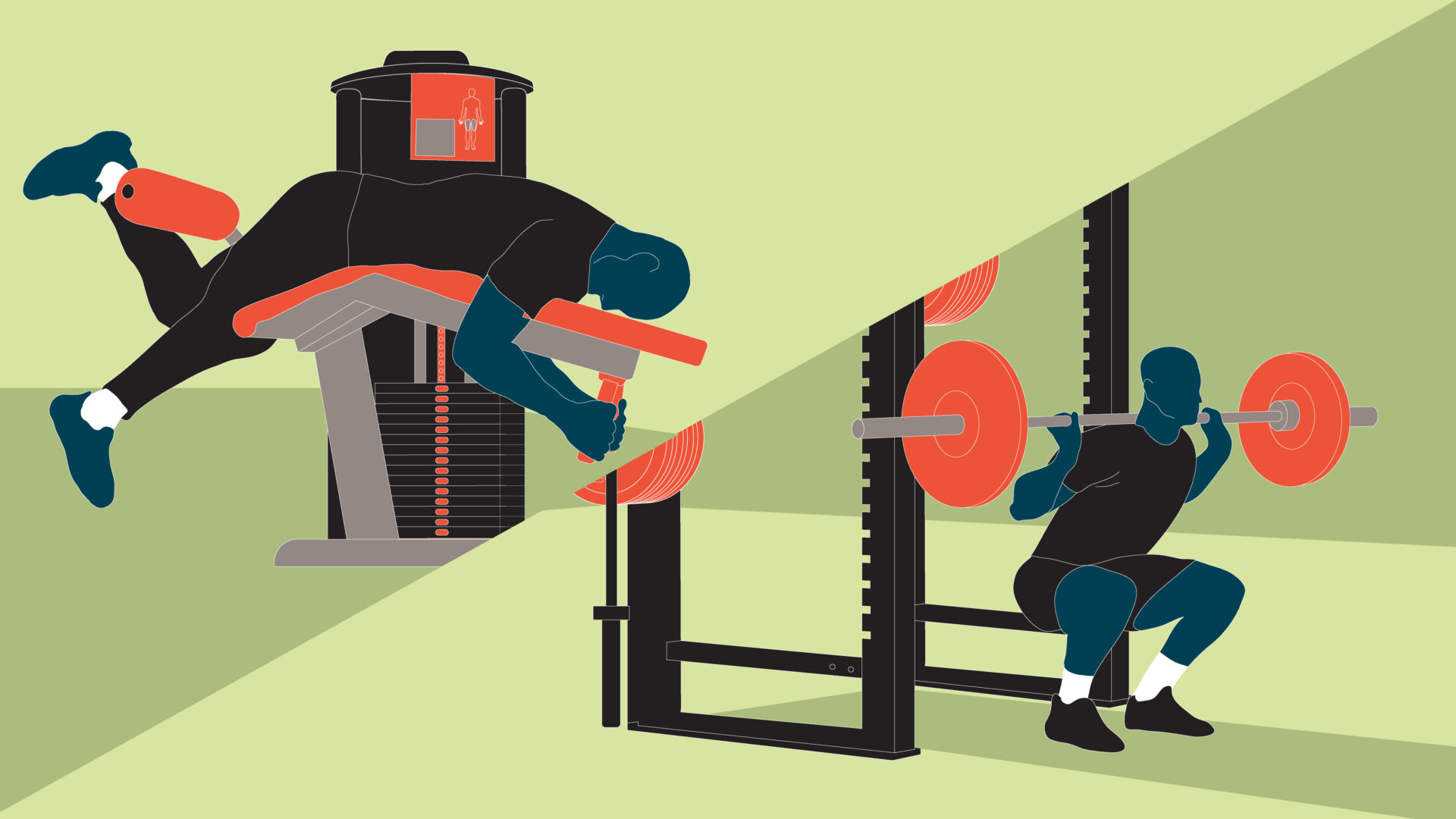
The primary change for most coaches would be being open to using constraints. What coaches often refer to as “machines” are simply pieces of equipment that present a unique set of constraints to help maximize the trainability of an exercise. A constrained exercise goes beyond the “machine,” and can be as isolated as a hamstring curl machine or as integrated as a handle-supported Smith machine rear-foot-elevated split squat.
Trainability is a measure of how well the person can perform the exercise consistent with the parameters of the method. It is also a measure of how well the exercise directs load to the intended joints and tissues while minimizing stress to other areas.
This adaptation-centered framework facilitates a safe and effective experience for anyone performing repeated, maximum, dynamic, plyometric, multi-directional speed, or top end speed efforts. These efforts are meant to improve absolute, speed, and reactive strengths.
Constraints allow us to improve absolute speed and reactive strengths more efficiently.
Traditional functional training frameworks tend to slow progress by focusing on getting “better” at the exercises themselves.
Take the functional movement screen (FMS), for one. Using corrective exercises to get better at exercises became such a focus that we lost sight of what training is really for. Instead of a movement-based progression that may limit outputs, an impulse-based progression prioritizes work or force output.
This adaptation-centered framework accepts each athlete’s current limitations, respecting the shapes, joint positions, and ranges of motion that are specific to the sport. From there, the practitioner can determine the constraints to be leveraged.
Tweet ThisTrainability is a measure of how well the person can perform the exercise consistent with the parameters of the method. It also measures how well the exercise directs load to the intended joints and tissues while minimizing stress to other areas.
Christopher Chase
Every implement, barbell, dumbbell, and machine, presents its own set of constraints. How do you assess which constraints are right for a given athlete?
The right constraints maximize the trainability of the exercise for that athlete. An athlete should have the requisite joint workspace and motor control to adhere to the parameters of the method. The constraint should maximize the load being directed to the intended joints and tissues, and minimize stress to other areas.
Not every athlete needs an exhaustive amount of individualized elements in his or her program.
The common limitations of the athlete population and the equipment the coach has access to combine to produce a menu of exercises that have a high chance of being trainable for a high percentage of athletes under the coach’s care.
For example, a coach may believe that a unilateral knee-dominant squatting exercise is valuable when training for absolute strength. Neural improvements in absolute strength necessitate sub-maximal / maximal efforts at high percentages of 1RM. Working reps are slow, grinding efforts that take a long time to execute.
A single-leg hack squat may have the highest chance of maximizing trainability for the highest percentage of athletes on the team. The primary constraint on the hack squat is the back support, which does not let hips move backward (i.e., posteriorly). This minimizes loading to the hip musculature and maximizes loading to the quadriceps.
A coach may have more confidence that most of his or her athletes could get to trainable loading and ranges of motion with this exercise more quickly than with other options that have fewer constraints.
We can apply this same concept to a dynamic effort that is not as constrained. A barbell split squat is usually a more upright, knee-dominant squat, which is similar to the single-leg hack squat. Even though there is more freedom of movement, a coach can leverage sport-specific shapes, positions, and loading parameters to make this trainable for most athletes.
Sport specificity tells us that we may be able to get away with a shallower squat as a constraint for this neural adaptation. External resistance can also be lower when training for speed-strength compared to absolute strength. A shallower squat at lighter loads can make it easier for the athletes to execute reps with the expected range of motion and velocity, regardless of what his or her joint workspace and motor control limitations are.
Tweet ThisThe right constraints maximize the trainability of the exercise for that athlete. An athlete should have the requisite joint workspace and motor control to adhere to the parameters of the method.
Christopher Chase
What can a machine do for an athlete that a free weight genuinely cannot? Where does the performance case for machines rest most firmly?
I would not be so bold as to speak in “can and cannot” absolutes. That would do a disservice to practitioners who only have access to dumbbells and barbells, for example.
Even as a proponent of constraints, this framework should be adaptable to a room full of racks and platforms.
One of my primary considerations is providing the athletes with an enjoyable experience. Expanding your exercise menu to include constrained and machine options is one way to do that. Such options have an easier learning curve and usually necessitate fewer technical corrections.
By allowing for less technical cueing, a coach can focus more on motivating and holding that athlete accountable for his or her effort. It opens up time for shooting the bull in between sets instead of more cognitive stress from a corrective lesson. Free-weight training with experienced athletes can also mimic this experience. But for team sports, I have always been interested in scaling to groups.
The key elements that machines have, that free weights do not, are the most polarizing aspects in this comparison: isolating equipment.
Calf raise, tibial raise, leg extension, leg curl, hip adduction, hip abduction, hip extension, hip flexion, chest press, chest supported row, lat pulldown, overhead press, and lateral raise machines have all been demonized as non-functional training tools.
These tools target muscles in isolation more than most, which is an advantage when properly applied within a framework. My framework biases constraints and machines for repetition and sub-maximal / maximal efforts, while reducing constraints for dynamic, plyometric, multi-directional speed, and top end speed efforts.
More isolated machines better direct mechanical tension to the desired tissue, making it easier for an athlete to push toward failure.
The performance case for machines rests most firmly on that ability to direct stress in a more targeted way during working sets. They can force stress to an area that an athlete may usually compensate away from.
Whether an athlete is returning from injury or is in perfect health, it is more difficult to evaluate the distribution of loading to joints and tissues in lesser constrained exercises.
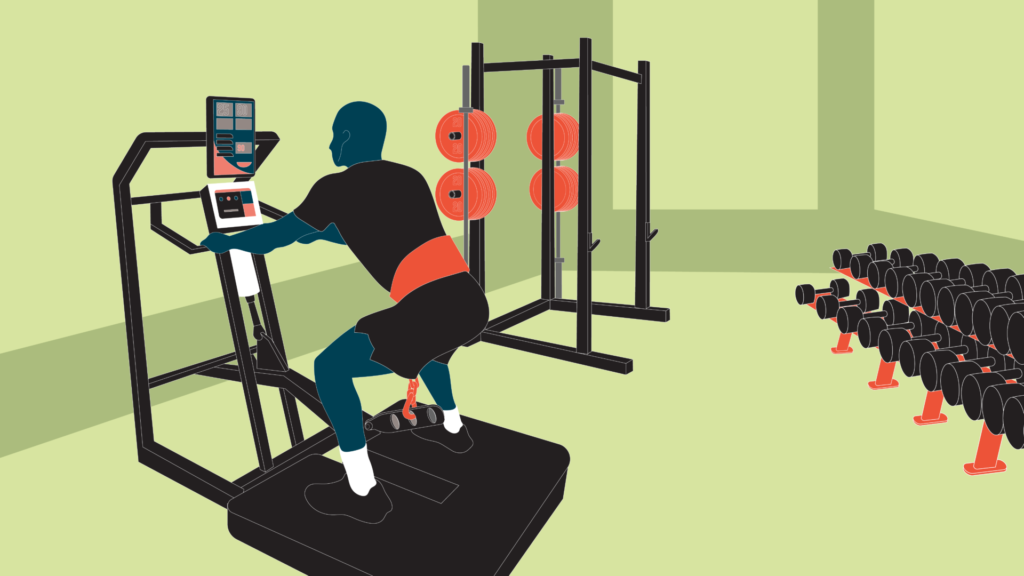
For example, two athletes may have a very trainable barbell back squat, but one may be more hip dominant and the other may display a more upright, quadriceps-dominant strategy. If the barbell back squat is their only squat option, and you wanted both athletes to have a more similar kinematic experience to target the quads, a pendulum or hack squat are viable options. If you wanted to give both of them a more hip-dominant squat, then you could leverage a power squat or belt squat machine.
Tweet ThisOne of my primary considerations is providing the athletes with an enjoyable experience. Expanding your exercise menu to include constrained and machine options is one way to do that. Such options have an easier learning curve.
Christopher Chase
How do you handle the athlete who has been told, or believes, that machines are inferior? Is that a coaching conversation, a results conversation, or both?
It can be both. I would never discount an athlete’s perception of what is in his or her best interest. I sympathize with athletes, especially at the professional level, that may have been exposed to several strength & conditioning coaches with varying philosophies. We have to meet that athlete where they are in their journey and be able to adapt the framework to what they have already had success with. As we build trust, I may be able to find opportunities to inject constrained options into the athlete’s training if it is appropriate to solve a problem.
In-season training is a great example and opportunity. An athlete may be dealing with general fatigue or the aches and pains that come with a harsh in-season schedule. It can be hard for that athlete to get motivated to use lifts with high systemic stress, like barbell squats or deadlifts. Machines are an option to reduce systemic stress but still target the intended tissue or nervous system adaptation.
I can also point to the fact that my framework includes plenty of opportunities for non-constrained options: dynamic, plyometric, multi-directional speed, and top end speed efforts. This can also be true for sub-maximal / maximal efforts, because programming should respect sport-specific ranges of motion.
If an athlete feels like they need to squat heavy for absolute strength, I am more than open to a barbell back squat at a shallower range of motion. Since this is meant to facilitate a neural adaptation, I am not worried about the tissue that I am not stressing by limiting that range of motion. We can train that tissue stress with repetition efforts on a machine.
I have not had many athletes who are super excited to perform repetition efforts requiring 2-4 sets of 8-15 reps to 0-3 RIR at a 2/1/2/1 tempo using only non-constrained options.
We can certainly try to do that using dumbbell rear-foot-elevated split squats, barbell back squats, barbell RDLs, or other traditional options. But it can be very taxing to perform those exercises toward failure. When constrained options are available, they normally respond well.
Tweet ThisI am more than open to a barbell back squat at a shallower range of motion. I am not worried about the tissue that I am not stressing by limiting that range of motion. We can train that tissue stress with repetition efforts on a machine.
Christopher Chase
Free weights are often defended on the grounds of proprioception and stability demand. How do you respond to that argument within a constraints-based framework?
Adding instability to an exercise and prioritizing proprioception is a nervous system adaptation, not a tissue adaptation. And by increasing instability, you inherently decrease the load that an athlete can use.
We should step back to look at how we improve absolute, speed, and reactive strengths. Repetition efforts improve the biological elements of absolute strength. Sub-maximal / maximal efforts improve the neural elements of absolute strength. Dynamic efforts improve speed-strength. Plyometric, multi-directional speed, and top end speed efforts improve reactive strength. Each has their own parameters that we need to adhere to.
The parameters for repetition efforts are 2-4 sets of 8-15 reps to 0-3 RIR at a 2/1/2/1 tempo. This slower tempo with slight pauses at end range maximizes active contraction throughout reps, without compensating with momentum. It can be very difficult to perform sets under these parameters if the exercise is unstable with a high proprioceptive demand.
Sub-maximal / maximal efforts may require 3-6 sets of 2-5 reps at >85% of 1RM with a controlled tempo to reduce compensating with momentum. Many team sport athletes are novice lifters. Decreasing the stability of the exercise can make it difficult to execute these efforts with a consistent strategy at such high intensities, especially for slow, grinding reps.
Proprioception becomes more important when performing more sport-specific efforts. Dynamic, plyometric, multi-directional speed, and top end speed efforts can be as unstable as desired if the athlete still adheres to the parameters of that effort.
Make these efforts easier by respecting sport-specific ranges of motion that are usually not as large as repetition efforts. These efforts also target neural adaptations that can be more robust with the increase in instability. But instability cannot detract from the desired kinetics or force output that is necessary for that adaptation. If it does, then constraints can improve the kinematics and still prioritize the improvement in rate of force development.
Tweet ThisAdding instability to an exercise and prioritizing proprioception is a nervous system adaptation, not a tissue adaptation. And by increasing instability, you inherently decrease the load that an athlete can use.
Christopher Chase
What is the strongest version of the anti-machine argument? Where does it actually have merit, and where does it fall apart under scrutiny?
Less constrained, closed chain, multi-joint exercises can facilitate a more robust neural adaptation. This may simply be because most of these types of exercises load more of the whole “system.”
For example, a barbell deadlift can stress the glutes, hamstrings, back musculature, and grip strength. This global tension is unique to lifts like this. A push-up, depending on a coach’s standard of execution, can stress chest, anterior shoulders, triceps, and core stability. These exercises can then facilitate superior nervous system adaptations compared to a knee extension machine, for example.
It is not valuable to scrutinize the merit of the anti-machine argument. But there are a couple more things that may make the pro-constrained machine stance more palatable.
Overall, we are more accepting of constraints for upper body work than we are for lower-body-focused work.
It is pretty common to see coaches that are pro- and anti-constrained machines programming barbell bench presses, lat pulldowns, seated overhead presses, chest supported rows, lateral raises, forearm exercises, and other upper body work that has some element of constraint or is simply meant to isolate muscle. A dumbbell lateral raise may not be constrained by some sort of external support, but the goal is still to isolate muscles around the shoulder, especially middle deltoid.
Many coaches consider barbell bench press a primary horizontal pressing exercise, but it is constrained by the bench, which allows greater loading of intended musculature compared to a push-up. A lat pulldown provides a phenomenal set of constraints because most coaches know that many athletes cannot do a pull-up. The constraints of a lat pulldown machine make it easier to apply a vertical pulling exercise to a greater percentage of the athletes on the team.
Traditional isotonic barbell and dumbbell exercises inherently underload parts of the range of motion due to the strength curve.
For example, a dumbbell loaded pistol or skater squat is most difficult at the bottom, but gets progressively easier as you get into shallower ranges. We are stronger in these shallower ranges, but the weight does not accommodate that change in strength. A common consequence is athletes bouncing out of the bottom of these squats because the bottom position of the eccentric and concentric phases is the hardest. After using that bounce to create a bit of momentum, they may struggle for a bit at a slow velocity, then velocity sometimes increases for the last half of that concentric push.
None of that is necessarily good or bad, but there is a chance the athlete is being underloaded in those parts of the range of motion that may be the most important for sport.
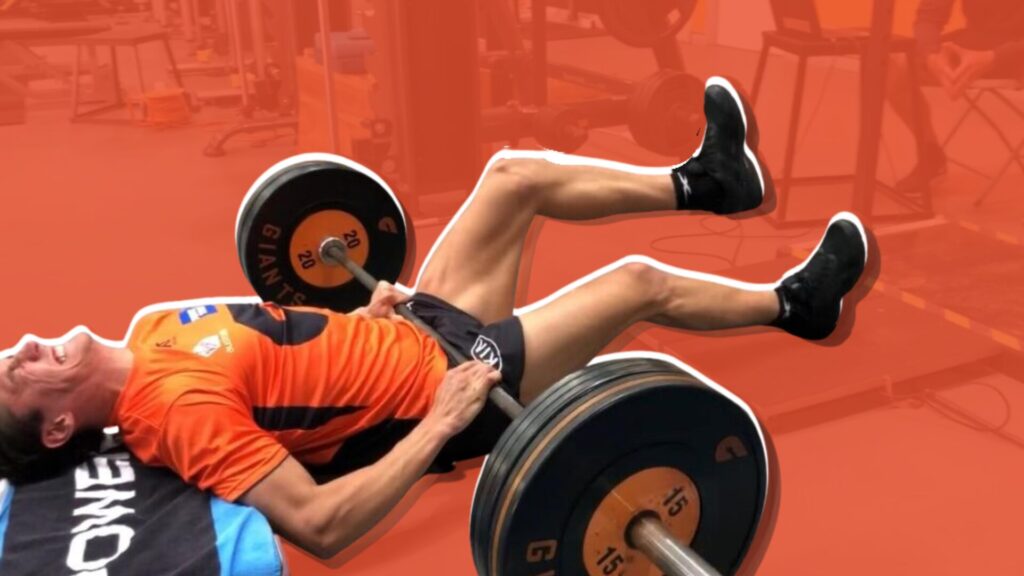
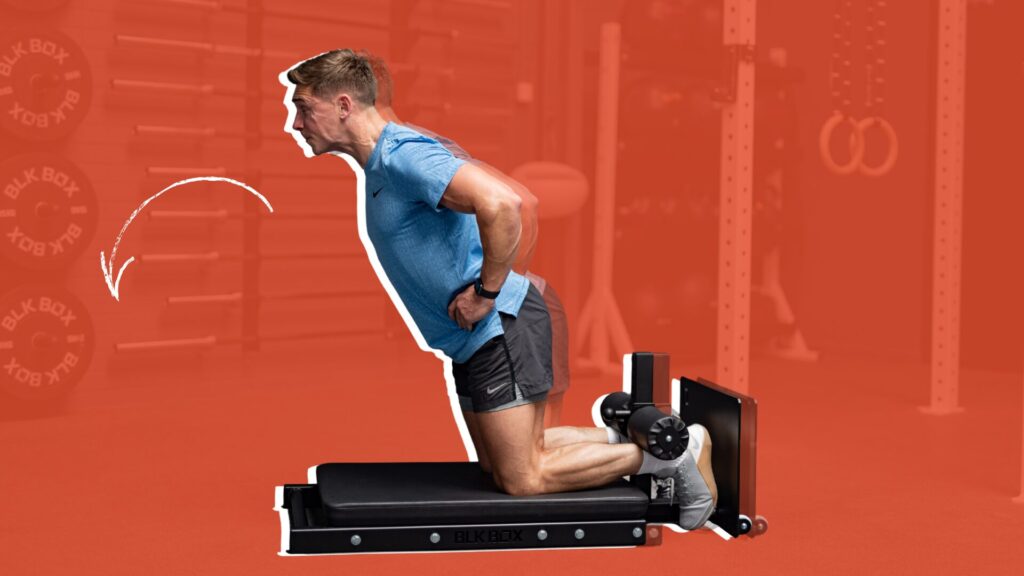
Machines can help make up for that. Maybe those pistol and skater squats are doing a nice job loading multiple muscles in a more lengthened position. To stress a more shortened position of the quads and glutes, an athlete could use a knee extension or shoulders elevated hip bridge. I like to pair repetition efforts like a leg press with a shoulders elevated hip bridge, a hack squat with a knee extension, or a hamstring-focused 45° back extension with a hamstring curl to ensure I am closing the gap between lengthened and shortened positions.
Tweet ThisMy favorite advantage of constrained machines is how well you can program them to load the entire range of motion. Traditional isotonic barbell and dumbbell exercises inherently underload parts of the range of motion due to the strength curve.
Christopher Chase