
The lateral collateral ligament (LCL) is the primary stabiliser to varus stress at the knee joint. In football, the LCL absorbs the most stress during change of direction, tackling, and ball striking.
One player in our squad sustained an isolated LCL rupture during a competitive league match during the 2025/26 season.
In a goal-mouth scramble during the first half, he sustained a significant varus stress at the knee joint from an opposition player. He felt a moderate degree of discomfort localised to the lateral aspect of the knee, in addition to hearing an audible pop. He continued playing unrestricted for the remainder of the game.
He had ongoing discomfort and stiffness over the next several days. A clinical assessment revealed that he had minor effusion and tenderness on the lateral aspect of the knee, in addition to increased laxity on varus stress testing at 0º and 30º. He also showed increased laxity on a 30º dial test compared to his baseline levels.
An MRI revealed an isolated full-thickness tear of the distal LCL with soft tissue oedema.
There is a poor correlation between MRI-graded trauma and clinical laxity. The clinical laxity assessment was Grade I. The basis of grading laxity is done via “end-point” and joint gapping on stress testing, quantified by how much “give” there is in the ligament in question. For the LCL, 1-5 millimetres of laxity is categorised as Grade I.
This player has had some significant time-loss incidents, notably hip arthroscopy and associated labral debridement. But he had no past medical history of LCL or posterolateral corner (PLC) injury prior to this injury.
The LCL and PLC work synergistically to restrain varus stresses and external tibial rotation, respectively.[1] Previous injury is the single greatest predictor for future injury, especially among athletes. Persistent functional deficits, chronic instability, and insufficient rehabilitation lend themselves to injury recurrence.[2]
The LCL sheath and the PLC were intact. This made us optimistic about taking a conservative management strategy, given the clinical “stability,” and despite the full thickness tear.
Tweet ThisThe LCL and PLC work synergistically to restrain varus stresses and external tibial rotation, respectively. Previous injury is the single greatest predictor for future injury, especially among athletes.
@ehowellphysio
Understanding the LCL to take immediate action
The LCL is an anisometric ligament, becoming increasingly taut in knee extension, and subsequently slack in flexion. This had important implications for the sub-acute period post-injury.
Immediately upon our clinical assessment and the MRI, we had the player wear a hinged knee brace, initially braced at 30º flexion. This would de-tension the ligament and permit optimal tissue healing. After two weeks at 30º, the brace was unlocked to 10º for the next two weeks; and it came off at the end of week five. The goal for this period was respecting the physiological healing continuum, allowing for adequate tissue inflammation, proliferation, and remodelling to the point where the knee joint could be exposed to coronal and transverse plane stresses.
A secondary role of the LCL is resisting external tibial rotation, particularly as the knee moves into extension. The LCL intersects the bifurcating distal heads of the biceps femoris (BF) common tendon prior to its insertion into the fibular head. The biceps femoris’ contribution to LCL compression and passive stability to the PLC gives BF recruitment an important role during rehabilitation.
Given the initially inhibited nature of the LCL, rehab has to emphasise BF recruitment in order to develop adequate stability.
LCL injuries can result in increased tibial laxity within the transverse plane, notably into external rotation.[3] This laxity can place excessive load on the BF, with potentially adverse ramifications.
The insertion of the distal LCL into the fibular head is close to the common peroneal nerve. To counteract potential neural sensitivity in this region following the trauma of the injury, we paid close attention to neural de-sensitising techniques throughout the rehabilitation process.
The player also received one platelet-rich plasma (PRP) injection. PRP is an autologous procedure that has potent positive effects. We use PRP with most of our players who have sustained ligamentous or joint related pathology. The literature is mixed with regard to PRP’s ability to accelerate tissue repair for acute ligament ruptures.[4] However, because it is low risk, has a plausible physiological mechanism for helping this type of injury, and psychological benefit, it is a regular part of our treatment.
Tweet ThisThe player wore a hinged knee brace, initially braced at 30º flexion. This would de-tension the ligament and permit optimal tissue healing. After two weeks, the brace was unlocked to 10º for the next two weeks; and it came off after five weeks.
@ehowellphysio
Selecting outcome measures and milestones
We continuously compared the athlete’s output during the entire rehab process with his pre-injury metrics from either preseason or during the season. These included isometric force outputs, joint range of motion, anthropometric measurements, and power production.
| Treatment room | NordBord | ForceFrame | ForceDecks | Other |
| Varus stress testing (0º + 30º) | ISO 30º | Hip abduction / adduction 0º | Double-leg / single-leg countermovement jump | Body fat (mm) |
| Dial test (30º) | Eccentric Nordic | Hip abduction / adduction 45º | Double-leg / single-leg drop jump | KOOS questionnaire |
| Effusion tracking | Run-specific supine hip flexion | Run-specific knee ISO push (RSKIP) | Muscle girth measurements | |
| Seated calf ISO | Run-specific ankle ISO push (RSAIP) | |||
| Hip external/internal rotation |
We began assessing “treatment room” orthopaedic metrics in week five, so as not to stress the impaired LCL, and to respect physiological healing.
Effusion was part of our daily tracking via the modified sweep test. This let us monitor localised joint effusion, and how well he tolerated the rehabilitation programme. A gradual decrease in effusion would suggest that he was dealing well with the exercises, whereas a plateau or increase in effusion would suggest intolerance. Return to a grade “zero” was the benchmark.
We measured circumferences weekly at three distinct points: patella base, 5 cm superior, and 10 cm superior. These provided objective measures of overall load acceptance and ligamentous healing.
| Weeks 1-4 | Week 5-6 | Week 7-8 |
| Hinged knee brace (30º/10º knee flexion – full flexion) | Unilateral CKC/OKC loading | Progressive grass based conditioning (control-chaos continuum) |
| COMPEX therapy | Hamstring (BFlh-specific) loading | Progressive grass based conditioning (control-chaos continuum) |
| Blood flow restriction training | Plyometric conditioning continuum | Block tackling mechanics |
| Bilateral CKC/OKC training | Proprioception progressions | Multiplanar plyometric progressions |
| Tibiofemoral external rotation mobilisations | CKC tibiofemoral external rotation exercises | 95% maximum velocity exposure |
| Double-leg / tandem stance proprioception | Alter-G conditioning | 0.7x typical match total distance exposure (clearance session) |
| Watt-bike conditioning | Ball-striking mechanics | 0.9x typical match intensity metric exposure (clearance session) |
| Past medical history ‘rehabilitation’ | ||
Tweet ThisEffusion was part of our daily tracking via the modified sweep test. This let us monitor localised joint effusion, and how well he tolerated the rehab programme. A gradual decrease in effusion suggested he was dealing well with the exercises.
@ehowellphysio
Weeks 1-4: Sagittal and transverse plane robustness
The first aim of this block of rehabilitation was to de-tension the compromised LCL to promote optimal collagen synthesis and alignment. The central mechanism was the appropriate bracing strategy. Despite the restrictions the brace imposed, he was allowed to be full weight bearing.
The brace let us introduce controlled, “traditional” resistance loading in the sagittal plane to assist with tissue healing, oedema displacement, and preserving muscular capacity. His programme included isometric and isotonic loading.
Isometric loading targeted generalised lower limb loading, in addition to a focus on biceps femoris long head (BFlh), given its proximity to the impaired LCL. Exercise progressions elicited maximal demand to induce maximal tissue adaptation. Key modifications included tibial rotation angle, force application, and duration in order to maximise potentiation into the target musculature.
We relied on verbal feedback from the athlete to ensure “adequate” activation of the target musculature. Important markers were an absence of pain over the affected site, an absence of localised joint effusion, and delayed-onset muscle soreness (DOMS) across the involved musculature, particularly within the lateral hamstring complex.
Blood flow restriction (BFR) training was part of the resistance training to elicit a metabolically stressed “hypoxic” environment. Subsequent strength and hypertrophy gains followed with lesser external mechanical loads.
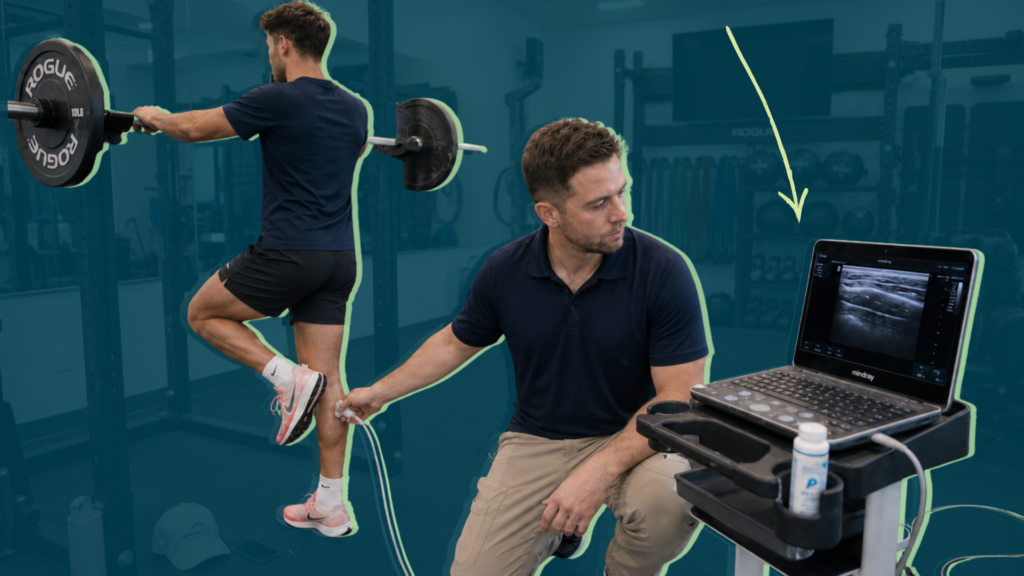
Sessions were divided into “mobility / activation” and “lower limb loading,” with exercise dosage varying from 30:15:15:15 repetitions or 3-4 sets of 6-8, respectively. Performing these with BFR would hopefully increase the physiological challenge in order to promote adaptation. Because we did not have Doppler ultrasound, the athlete self-selected limb occlusion pressure at a perceived intensity of 7/10.
This subjective rating achieves significant venous occlusion, and subsequent metabolic stress, without compromising arterial inflow.[5] It also represents a practical starting point for redeveloping the athlete’s autonomy.
Proprioception is an important component of ligamentous injury rehabilitation, aiding in both tissue repair and confidence building. Because the athlete was full weight bearing while wearing the brace, we used proprioceptive exercises to restore functional varus stability. We quantified adaptive responses as the duration of maintaining single limb stance and the capacity to complete repetitions with higher external loads, in addition to reduced total excursion and centre of pressure via ForceDecks.
Wattbike with BFR was the bulk of his conditioning work. The LCL remains less taut while the knee is in flexion, which naturally aligns with the mechanics of static cycling. This promotes scar tissue maturation within a biomechanically “safer” range, while preserving aerobic capacity with an eye towards more demanding on-feet conditioning work later in the rehabilitation process.
We did not perform daily orthopaedic testing of the LCL during this stage in order to avoid inflicting undue stress on an immature tissue scaffold. Doing so could promote plastic deformation and excessive varus laxity beyond baseline clinical norms.
Due to the range restrictions imposed by the brace, the degree of muscle atrophy was a significant concern. Accordingly, we measured muscle girth every two weeks. Landmarks were recorded by distance from the patella base, and tibial tuberosity to record thigh and calf bulk, respectively. Thigh landmarks were 7cm, 14cm, and 20cm supra-patella, with calf measurements being 10cm, 15cm, and 20cm.
| Outcome measure | Exit criteria |
| Effusion | Zero |
| Muscle girths | LSI <5% |
| Range of motion | Full range of motion |
| LCL laxity (0º/30º) | Baseline + nil pain |
| Activities of daily living | Pain-free |
| 2.0x bodyweight double leg press | 5RM |
| 1.5x bodyweight single-leg press | 5RM |
| Single-leg pistol squat to 90º | ≥30 repetitions |
| Single-leg long lever hamstring bridge | ≥30 repetitions |
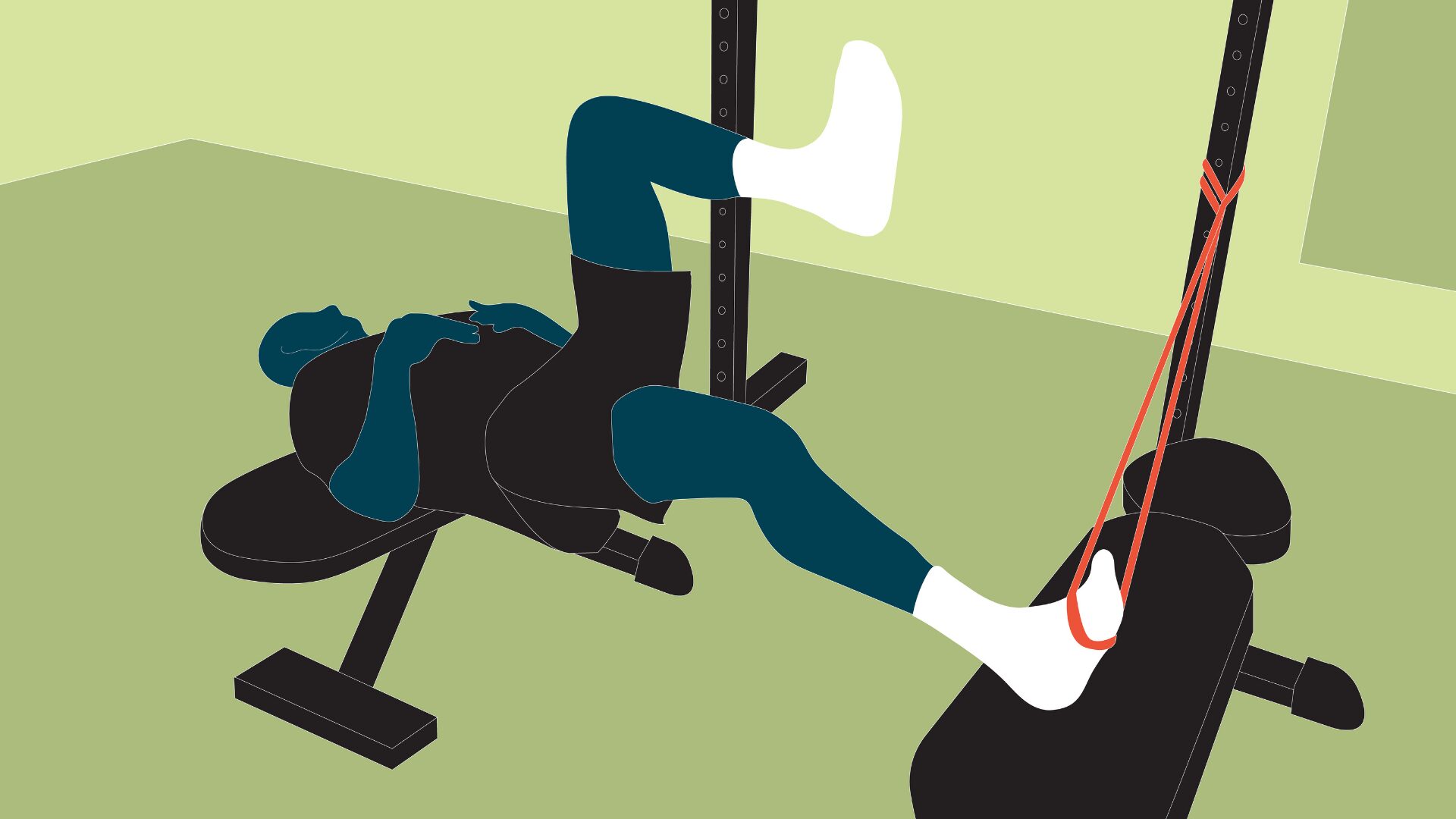

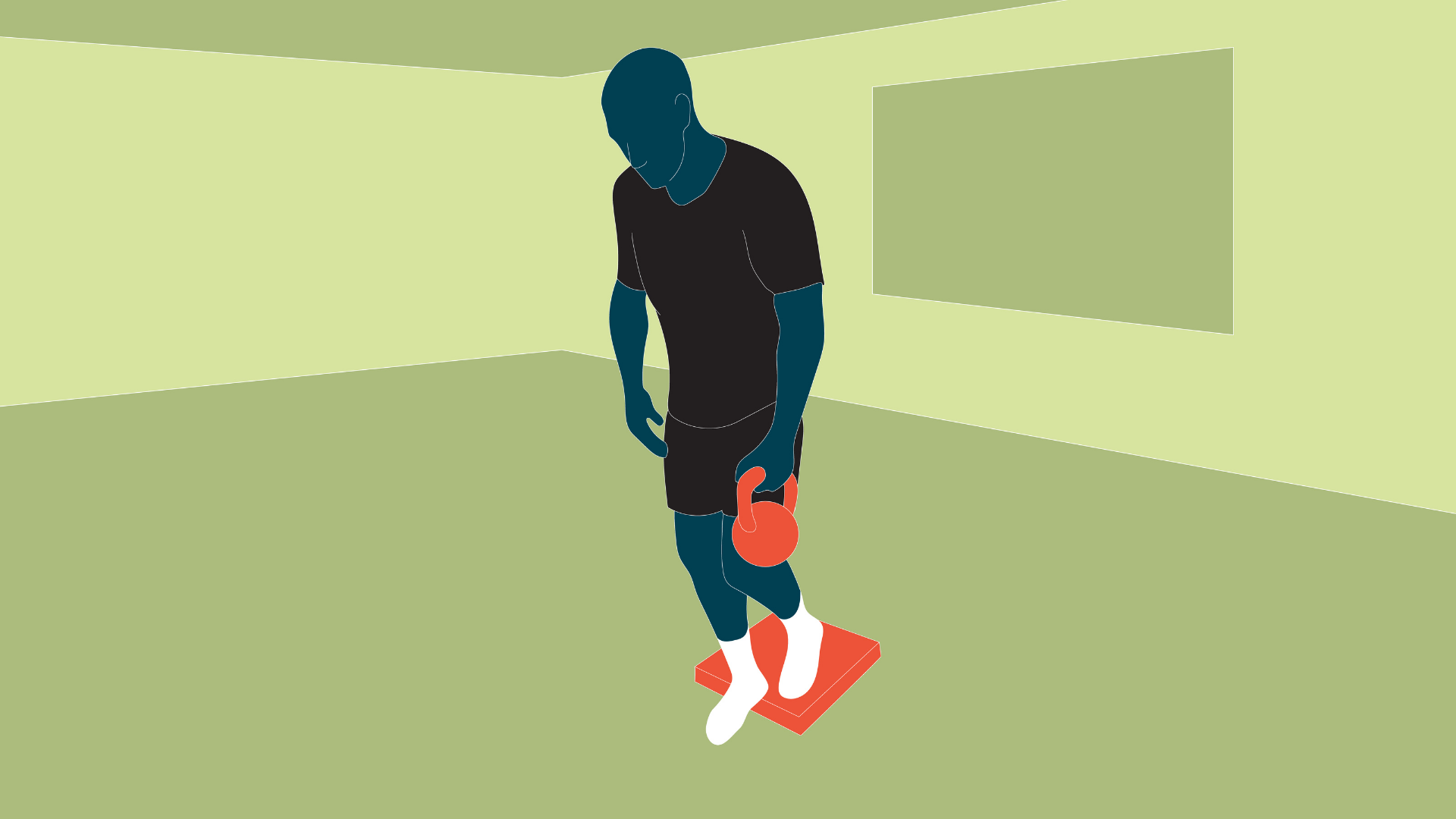
Tweet ThisIsometric loading targeted generalised lower limb loading, in addition to a focus on biceps femoris long head. Exercise progressions induced maximal tissue adaptation. Key modifications included tibial rotation angle, force application, and duration.
@ehowellphysio
Weeks 5-6: Coronal plane capacity and plyometric progressions
The player had a follow-up with the specialist at the beginning of week 5. The specialist deemed the knee stable enough to remove the hinged knee brace, start coronal plane loading, and begin a criteria-based return to play pathway.
Several clinical markers assessed LCL adaptation. The clinician palpated the tautness of the LCL along its entire anatomical course in the figure-4 position on the treatment couch. Varus stress testing at 0º and 30º, and the prone dial test at 30º, targeted the LCL and PLC. All orthopaedic tests compared the results to both the contralateral limb and baseline screening.
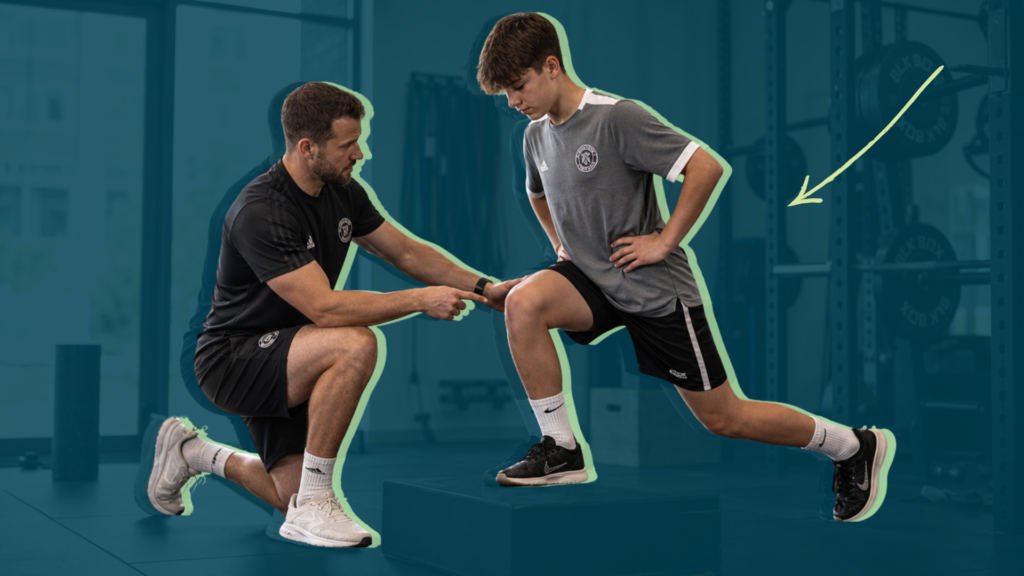
The subsequent loading strategy was a combination of traditional resistance-based training with open and closed kinetic chain, and unilateral proprioceptive work.
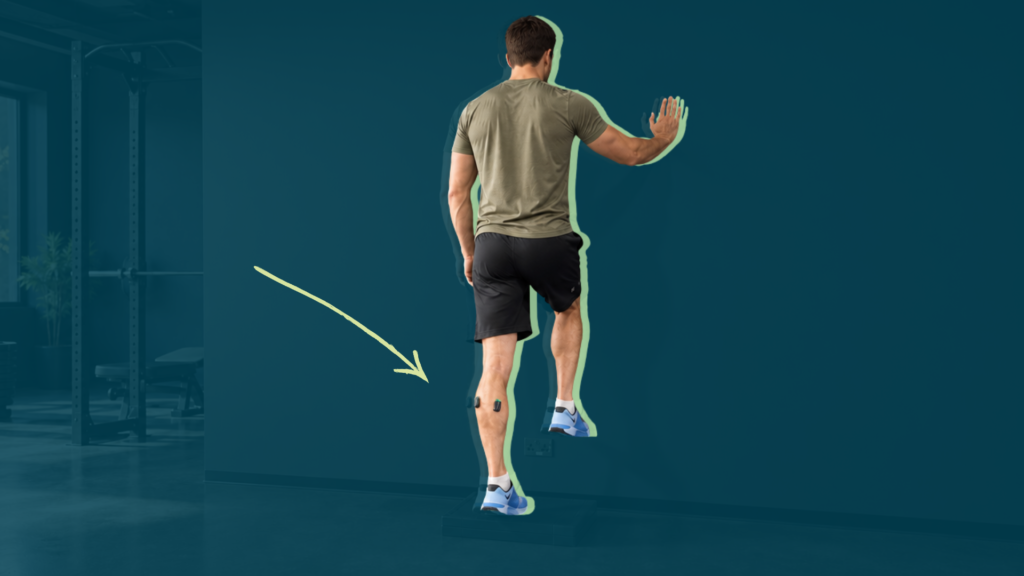
Closed chain exercises with Y-balance in the transverse plane were of particular interest. The LCL is a secondary restraint to external tibial rotation, so robustness in this plane was a prerequisite for grass-based exposure at higher velocities and with changes of direction.
Plyometrics progressed along the plyometric continuum to incrementally expose the athlete to jumping and landing mechanics prior to more intensive plyometric exposure.
Vertical jumps emphasised the consistent contribution from the knee joint.[6,7] During horizontal jumps (e.g., the single-leg horizontal bound), the focus was on landing kinematics.
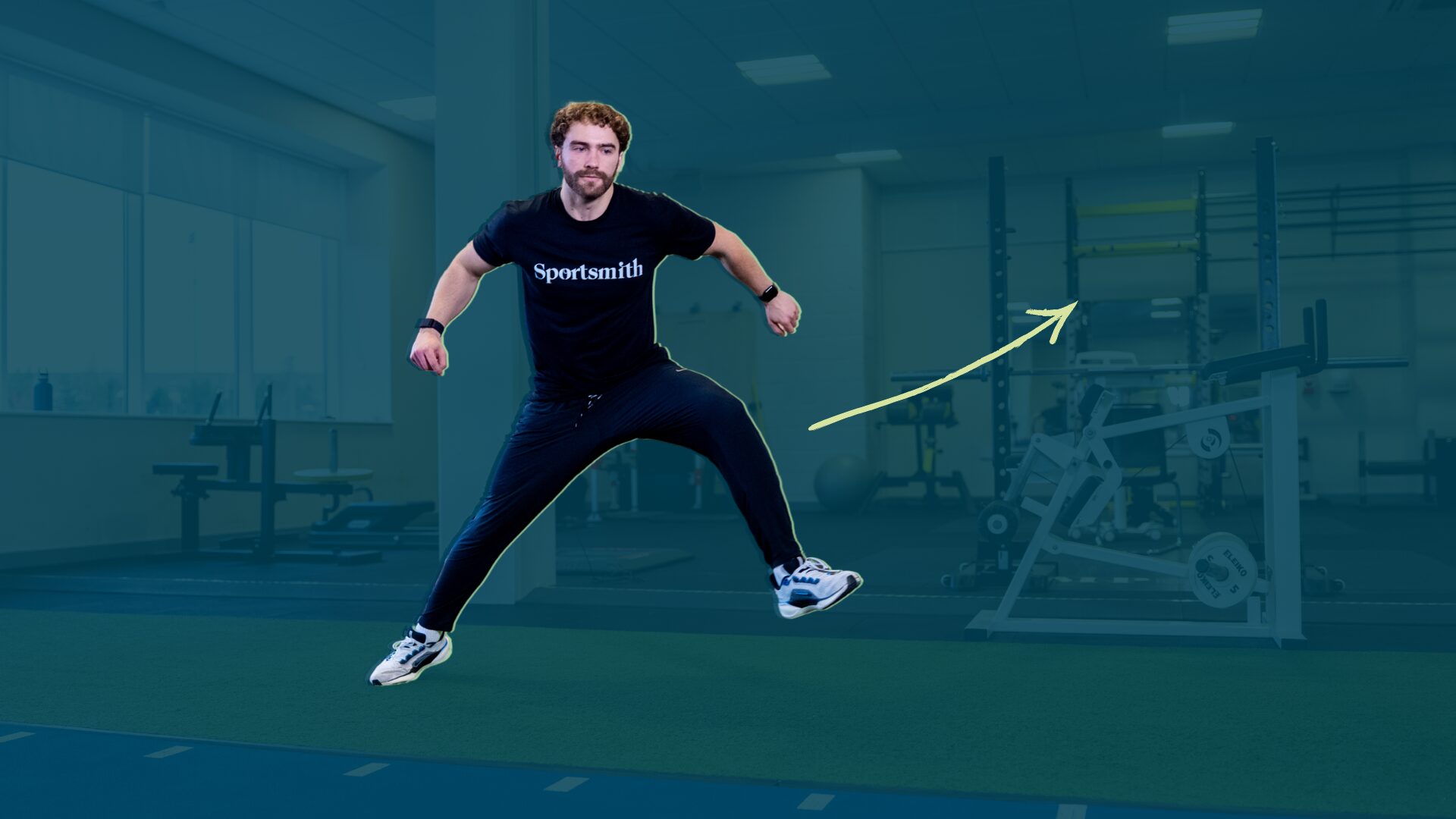
“Controlled” coronal plane plyometrics helped condition the compromised LCL to accept and tolerate the varus thrust mechanism native to coronal landing mechanics. Athlete feedback was particularly important here. The jumps were initially bilateral but quickly progressed to unilateral variations to drive unilateral performance adaptations.
The same ideas were the basis of athlete testing during the rehabilitation process. Important ForceDeck outputs were jump height (impulse-momentum), take-off phase metrics like concentric impulse (at 100ms), relative peak power (W/kg), and eccentric braking (RFD and impulse), in addition to inter-limb asymmetries.
| Propulsion: Horizontal | Propulsion: Vertical | Landing: Horizontal | Landing: Vertical |
| 12.9% | 34.1% | 64.7% | 34.4% |
During the later stage plyometric progressions, the athlete also started running on the Alter-G anti-gravity treadmill. This supplemented plyometric progressions and increased the volume of foot strikes in order to condition ligamentous capacity, as an alternative to building a “chronic load profile” prior to grass-based loading. Incremental increases in bodyweight percentage and speed on the Alter-G balanced cumulative joint impact loading and athlete capacity.
BFlh-specific loading advanced from a primarily isometric focus to the more demanding isotonic focus, which combined concentric, eccentric and ballistic contractions.
The philosophy of “length, load, and rate of loading” strongly influenced this stage to condition the musculature to sports-specific actions; and, in turn, offload the compromised LCL’s compressive role at the fibular insertion.[9]
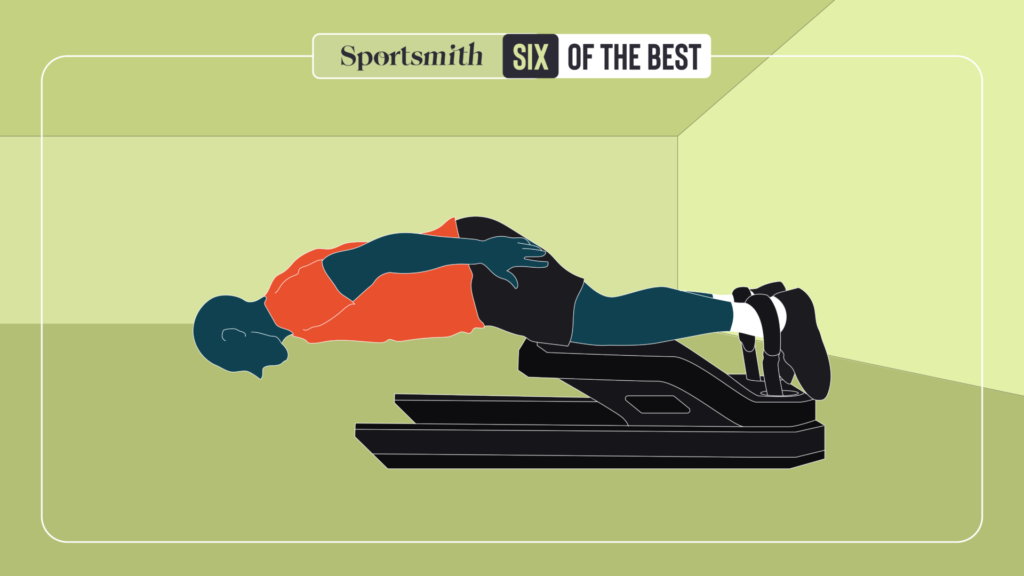
Hinge movements—like tandem stance Romanian deadlifts and glute-ham 45º raises—and run-specific quasi-isometrics (short to long lever bridges) facilitated robust sports-specific adaptation prior to grass-based exposure (Figures 3-5).
This stage also re-introduced kicking mechanics via a staged progression. The role of the LCL and the strain transferred onto the lateral complex were at the forefront of our decision making.
Enhancing rotational torque via external stimuli—bands, cables, or slam ball—tested the transverse role of the LCL. The type of kick, intensity, and external stimuli progressively increased the challenge by exposing the lateral complex to a variety of force vectors across the knee.
This exposure also conditioned local dynamic hip structures—iliopsoas and rectus femoris—with the aim of reducing anterior hip joint forces.[8] Given the player’s prior injury history, we wanted to build hip joint function / tolerance during ball striking mechanics in all planes of movement, particularly the transverse and coronal planes.
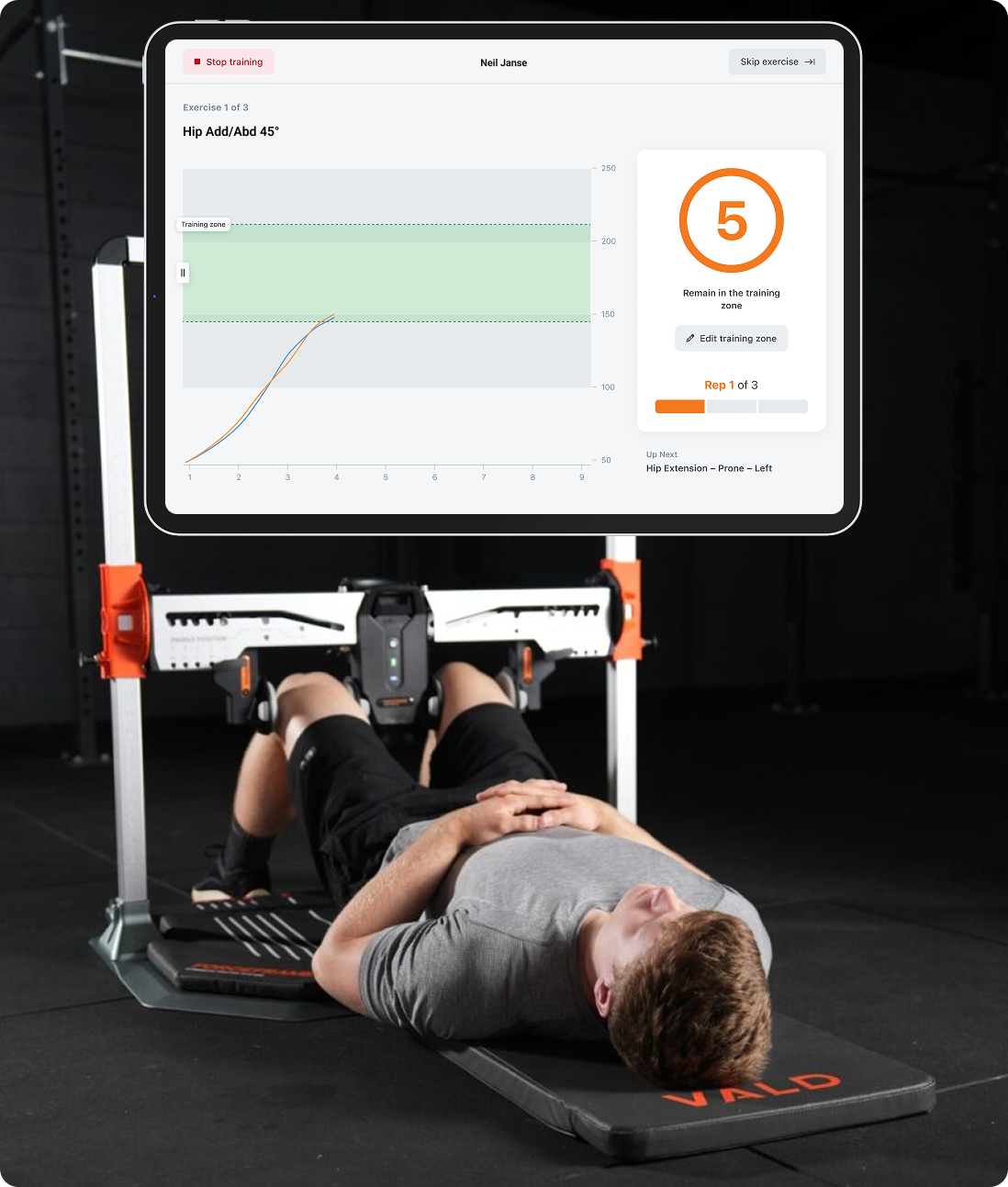
Weekly hip abductor / adductor screening at 0º tracked pain sensitivity within the hip and groin regions and provided a measure of absolute strength within the respective muscle groups. Weekly screening at 45º looked for a 1:1 ratio of abduction:adduction at 5.0 N/kg. The targets for the 0º position were 2.8 N/kg (abduction) and 3.0 N/kg (adduction), which are in accordance with published literature and the player’s baseline screening.
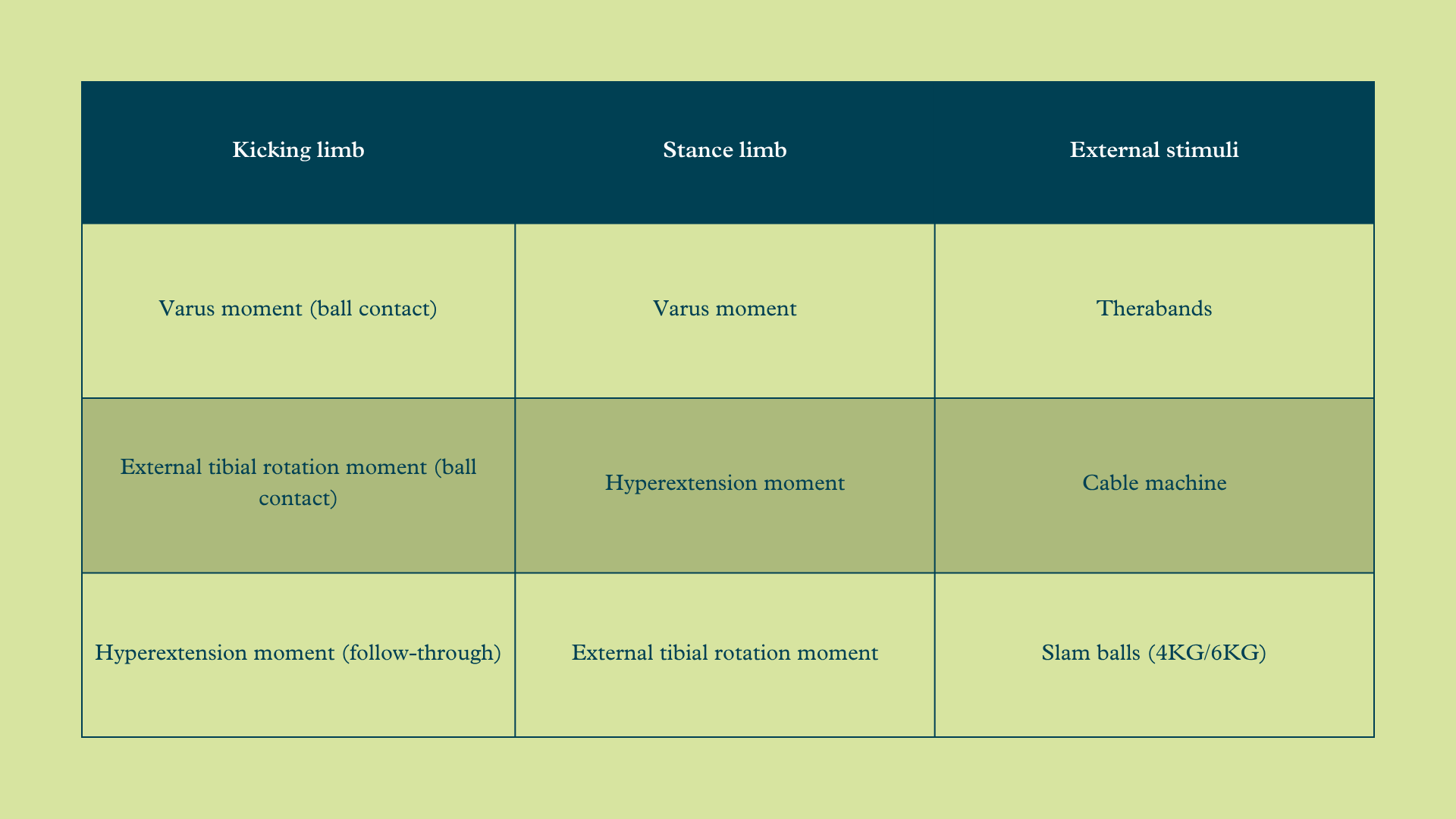
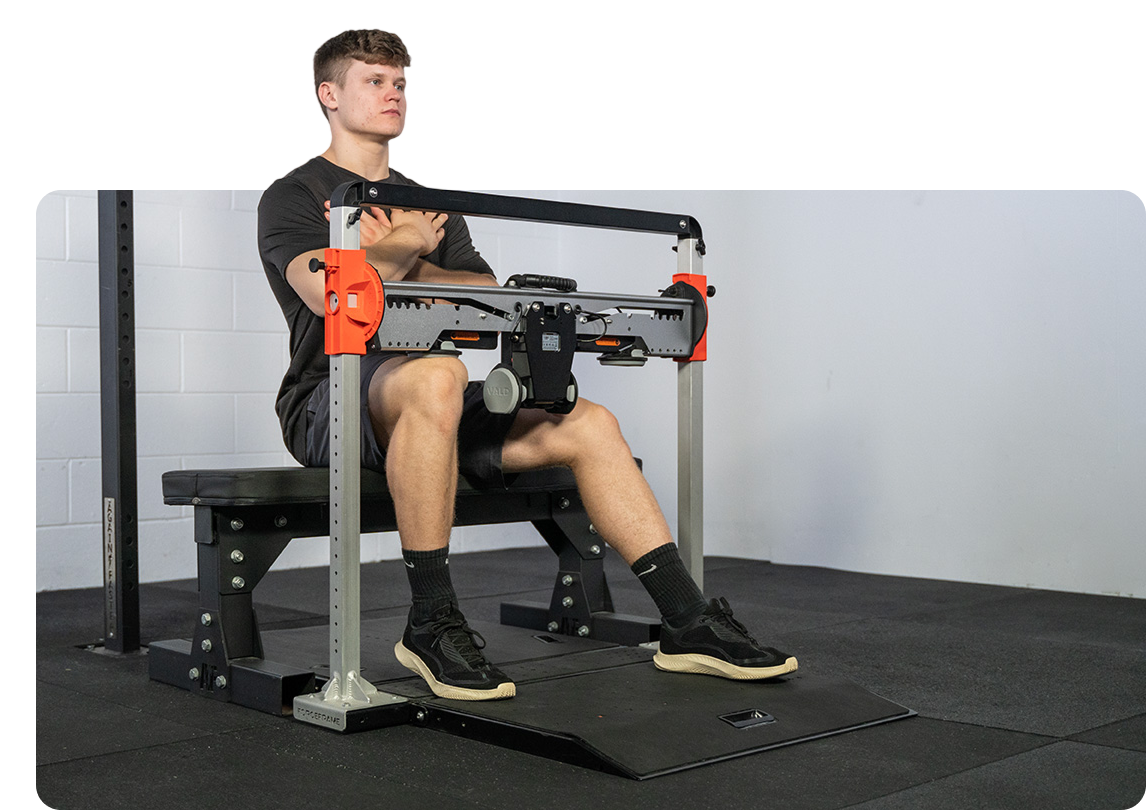
During this period, various lower limb tests using the VALD ForceDecks and ForceFrame assessed readiness to run.
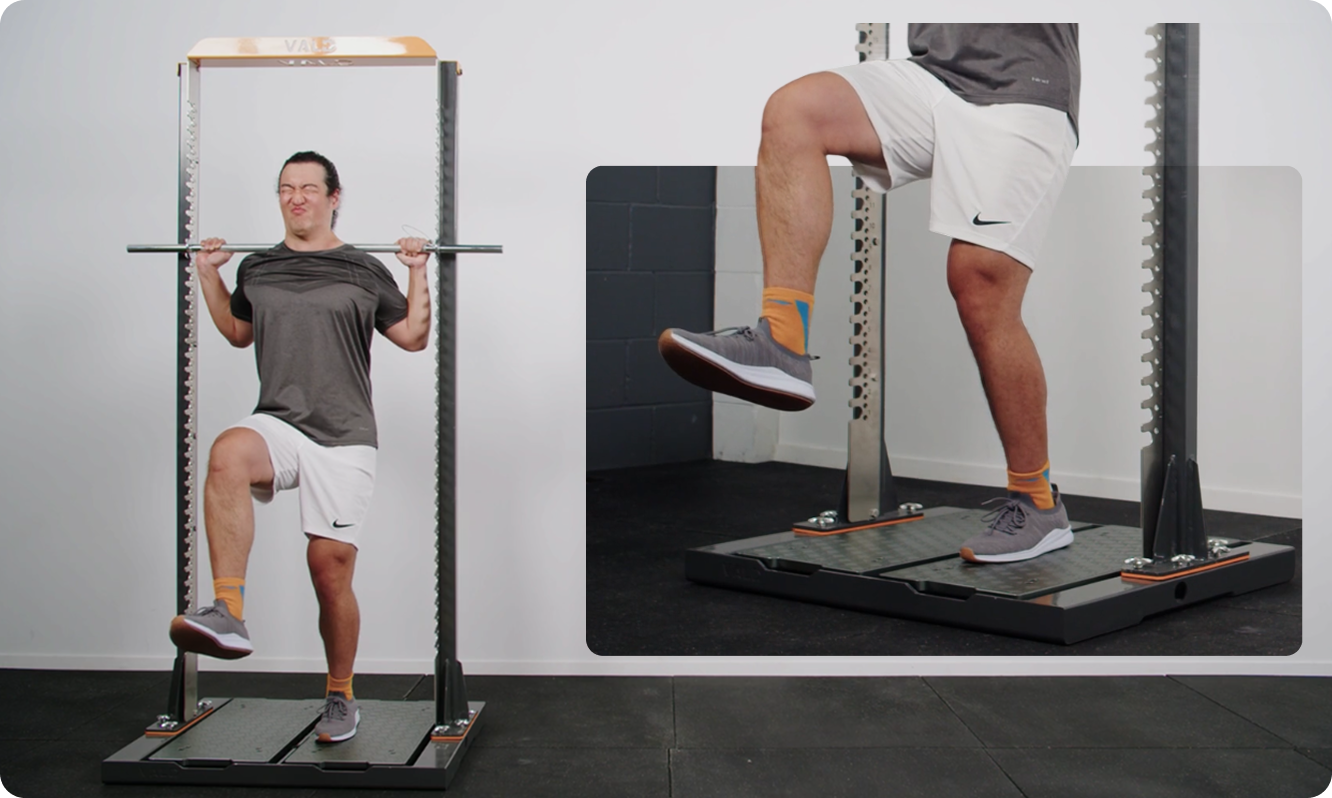
With an isometric rig, Alex Natera’s run-specific series of tests assessed raw force production capabilities (xBW), and ballistic power output (force at 100ms / peak force * 100).
Scores of 4.69x BW (L) and 4.52x BW (R) in the run-specific knee ISO push exceeded the target thresholds of 4.2-4.4x BW.
NordBord screening assessed eccentric and isometric posterior chain capacity, in addition to athletic confidence. Isometrics at 30º and 90º, as well as eccentric Nordics, were part of this battery.
The Nordic hamstring exercise has historically been viewed as the gold standard for assessing hamstring capacity for high speed / sprint exposure. However, recent evidence has called into question its heavy implementation, given the principal recruitment of BF short head and semitendinosus over BFlh, and its subsequent inability to detect deficits in positions stressing the BFlh.[10]
Keeping that in mind, we used it as a gauge for athletic readiness, with 5.5-6.0 N/kg and 5% limb symmetry index the thresholds for introducing running.
Given the recency of a calf injury, the run-specific ankle ISO push and seated calf isometric push were incorporated into the screening process to evaluate triceps surae-specific capacity. Thresholds of 3.1x BW and 2.0x BW were the prerequisites for grass-based conditioning.
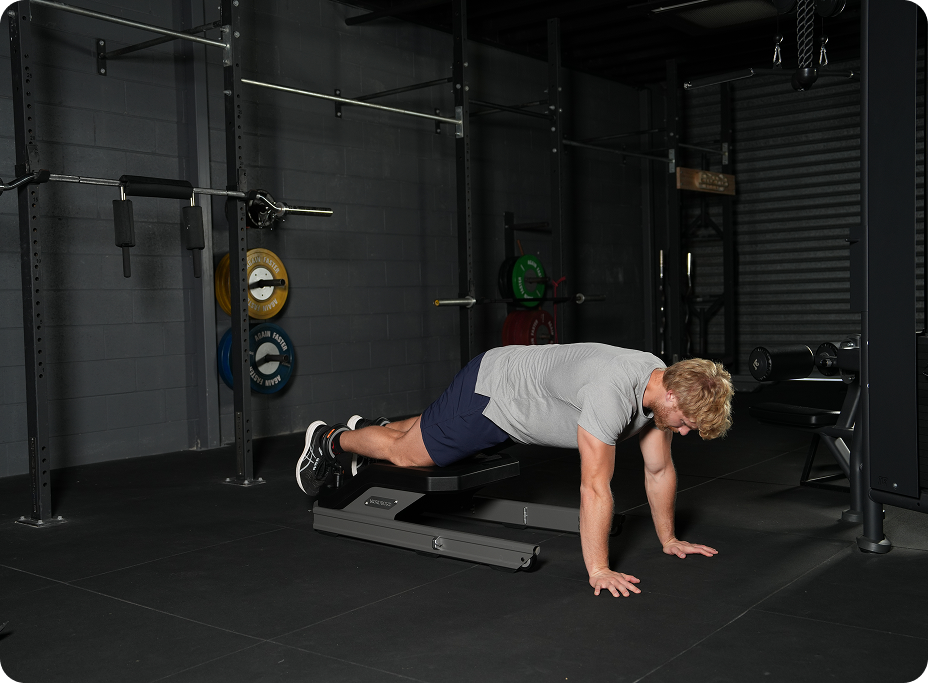
Tweet This“Controlled” coronal plane plyometrics helped condition the compromised LCL to accept and tolerate the varus thrust mechanism native to coronal landing mechanics. The jumps were initially bilateral but quickly progressed to unilateral variations.
@ehowellphysio
Weeks 7-8: Grass-based transition and return to training
| Week | Total distance (m) | High-speed running (m) | Sprint distance (m) | Accelerations (>3ms) | Decelerations (>3ms) |
| 1 | 1.77x | 0.86x | 0.82x | 1.82x | 1.1x |
| 2 | 2.07x | 1.4x | 1.43x | 2.67x | 1.8x |
| 3 | 2.47x | 1.89x | 1.84x | 3.61x | 2.42x |
The senior squad’s match week training was the basis for this player’s return to grass-based training. Exposure to each metric was based off high-speed running and sprint distances, extrapolated to other intensity metrics, as well as total distance.[11]
The control-chaos continuum was part of the process to incrementally grade sports-specific actions and, more specifically, dynamic varus stresses.[12]
Grass-based conditioning was initially aimed at reconditioning aerobic fitness through linear running patterns. Once the athlete established this base, we gave him more demanding anaerobic tasks during his daily sessions.
We proceeded carefully with change of direction and moderate-to-long distance ball striking mechanics, since they impart the greatest stresses onto the maturing LCL. Ball-striking increased incrementally with a velocity-banded system providing a reference to guide intensity, type, and volume of kicking reflective of the players’ position.[13]
Alongside grass-based loading, plyometric progressions and block tackling mechanics supplemented LCL adaptation and promoted robustness within the posterolateral complex. The former was progressed via multiplanar movement streams adhering to the plyometric continuum. Ground contact time, jump height, and landing kinematics were emphasised through this phase.
Progressions worked through different landing surfaces like the AirEx and Slant Board, dual tasking, and the number of jumps.
Striking the ball with the instep using a 6 kg slam ball as an “absolute block” helped create lateral gapping at the knee and promoted LCL / PLC robustness for resisting varus stresses. The player self-regulated his intensity on these actions.
The player has since re-integrated into the normal squad periodisation, playing one competitive match since this article was written.
Tweet ThisStriking the ball with the instep using a 6 kg slam ball as an “absolute block” helped create lateral gapping at the knee and promoted LCL / PLC robustness for resisting varus stresses. The player self-regulated his intensity on these actions.
@ehowellphysio