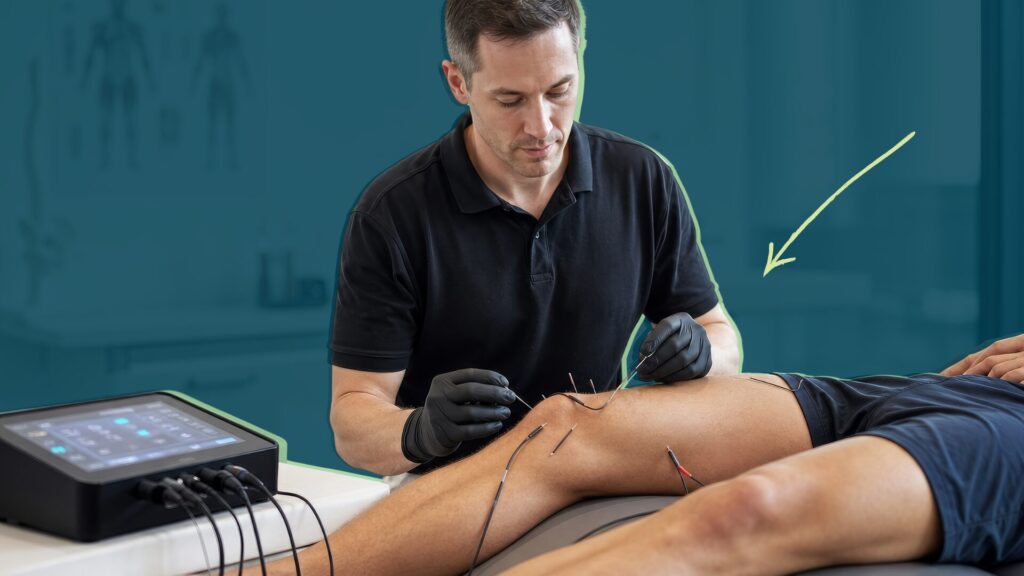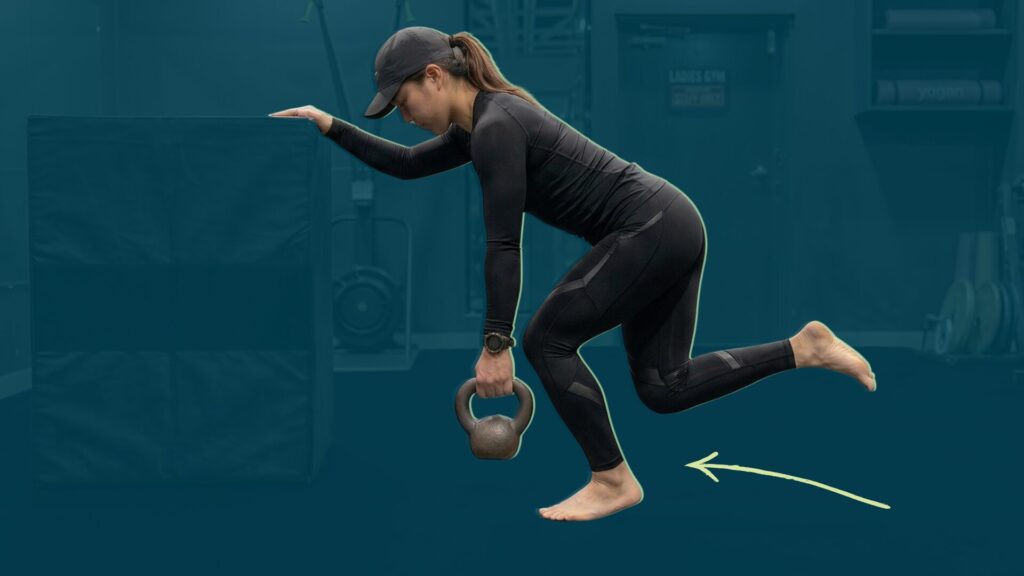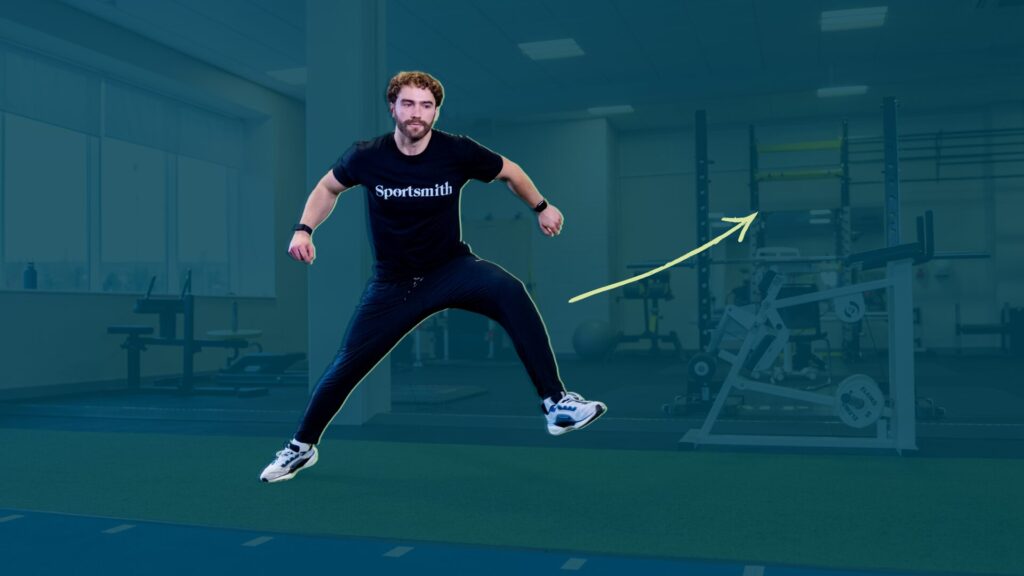


Anterior cruciate ligament (ACL) injuries remain a major focus in team sports because of their severity, the substantial time lost from training and competition, the notable risk of re-injury to either the same or the contralateral limb, and their long-term consequences for knee health and function [1].
When we think about ACL injuries, we often gravitate towards the mechanical contributors, typically some combination of valgus collapse, internal rotation, and anterior tibial translation [2,3]. Tim McGrath refers to this coupled motion as “the pepper grinder,” a term that captures the rotational loading placed on the knee joint.
Mechanical factors alone do not tell the full story, of course. It is equally important to consider the circumstances in which an ACL injury occurs: the movements, velocities, reactions, and situational demands that place the knee in a vulnerable position. A considerable proportion of ACL injuries occur during non-contact change of direction, deceleration, and landing from jumps [4]. These all place large eccentric braking demands on the lower limbs, and occur at high movement velocities.
This raises an important question for the return to play (RTP) process. Strength & conditioning practitioners have traditionally approached eccentric training through slow, controlled methods such as tempos or negatives. These definitely have value, but they do not reflect the fast eccentric braking actions common in sport; nor, crucially, those present at the moment of an ACL injury.
That suggests a strong case for exploring faster eccentric training methods in ACL RTP.
Return to play timelines and re-injury risks
The first and most pressing question with any injury is always: “When can I play again?” The answer is anything but straightforward. Returning to play after ACL injuries is one of the most challenging decision-making processes in sports medicine.
Return to play ultimately boils down to restoring the neuromuscular qualities and psychological readiness required to compete safely. Countless factors come into play, making a strict timeline impossible.
But we do have some data for consideration. The average time to RTP in professional football is around seven months [5]; whereas in non-elite and recreational populations, the RTP process is prolonged and may take up to two years [6]. Even so, the risk of a second ACL injury remains high, particularly in younger athletes. Only a small proportion regain their pre-injury level of performance. Interestingly, re-injury risk appears to be time-dependent: every additional month of delayed RTP, up to the nine-month mark, reduces the chance of a second injury by about 50% [1].
Nevertheless, timelines are meaningless without context. RTP decisions should be grounded in criteria informed by a clear understanding of the neuromuscular deficits an ACL injury reveals.
Tweet ThisReturn to play ultimately boils down to restoring the neuromuscular qualities and psychological readiness required to compete safely. Countless factors come into play, making a strict timeline impossible.
@TommyEliBright & Matteo Pontiggia
Neuromuscular deficits post-ACL injury: Eccentric braking
The knee extensors and flexors lose muscle mass and suffer a parallel decline in force production characteristics following an ACL injury [7]. This is apparent in the acute stages, but is also a problem going forward, with many athletes experiencing persistent and potentially long-term functional deficits.
While atrophy and strength are relatively well investigated and prioritised in practice, far less attention has been given to the ability to produce force rapidly, particularly under eccentric braking conditions. This is problematic when we consider that peak ACL strain occurs approximately 50 milliseconds after initial ground contact [8]. Furthermore, change of direction and deceleration tasks, both of which rely heavily on eccentric braking, are key mechanisms underlying non-contact ACL injuries.
Working with athletes during their RTP, we have consistently observed clear and persistent eccentric deficits. Notably, there is a reluctance to load the knee, reflected in reduced knee flexion at landing, a more upright tibia, increased hip flexion, and altered trunk motion. These compensatory strategies effectively offload the knee and shift mechanical demand elsewhere (e.g., proximally). This helps to explain why athletes post-ACL injury frequently struggle to express force rapidly, with ongoing deficits in eccentric braking rate of force development [9].
Despite how clearly these eccentric deficits present, RTP testing batteries overlook them. For example, many practitioners still rely on manual testing to assess strength, despite its well-known limitations. These tests are highly examiner-dependent, show poor reliability, and provide minimal insight into how the athlete expresses force.
Jump testing often measures hop distance, jump height, or flight time via simple tools like tape measures, smartphone apps, or infrared systems. Their popularity makes sense: they’re quick to run, require little space or equipment, and give a broad snapshot of lower limb performance.
However, while these measures tell us what an athlete can do, they reveal little about how they achieve that performance.
Horizontal hop tests may be particularly limited when the goal is to assess knee function. Compared to vertical jumping tasks, they rely less on the knee joint and more on proximal and distal joints, making them less sensitive to identifying knee deficits post-ACL reconstruction [10].
Vertical jumping tasks, particularly the countermovement jump (CMJ), are better because they impose an eccentric braking demand that requires the athlete to decelerate the body quickly before transitioning into propulsion. Force platforms assess compensatory strategies during bilateral CMJs: how the athlete shifts load onto the uninjured side during propulsion and landing. Single-leg CMJs, on the other hand, truly challenge each leg with deceleration and acceleration demands, revealing deficits that may be masked during bilateral testing.
Once we have this data, the real question relates to the shape of the force-time curve (Figure 1).
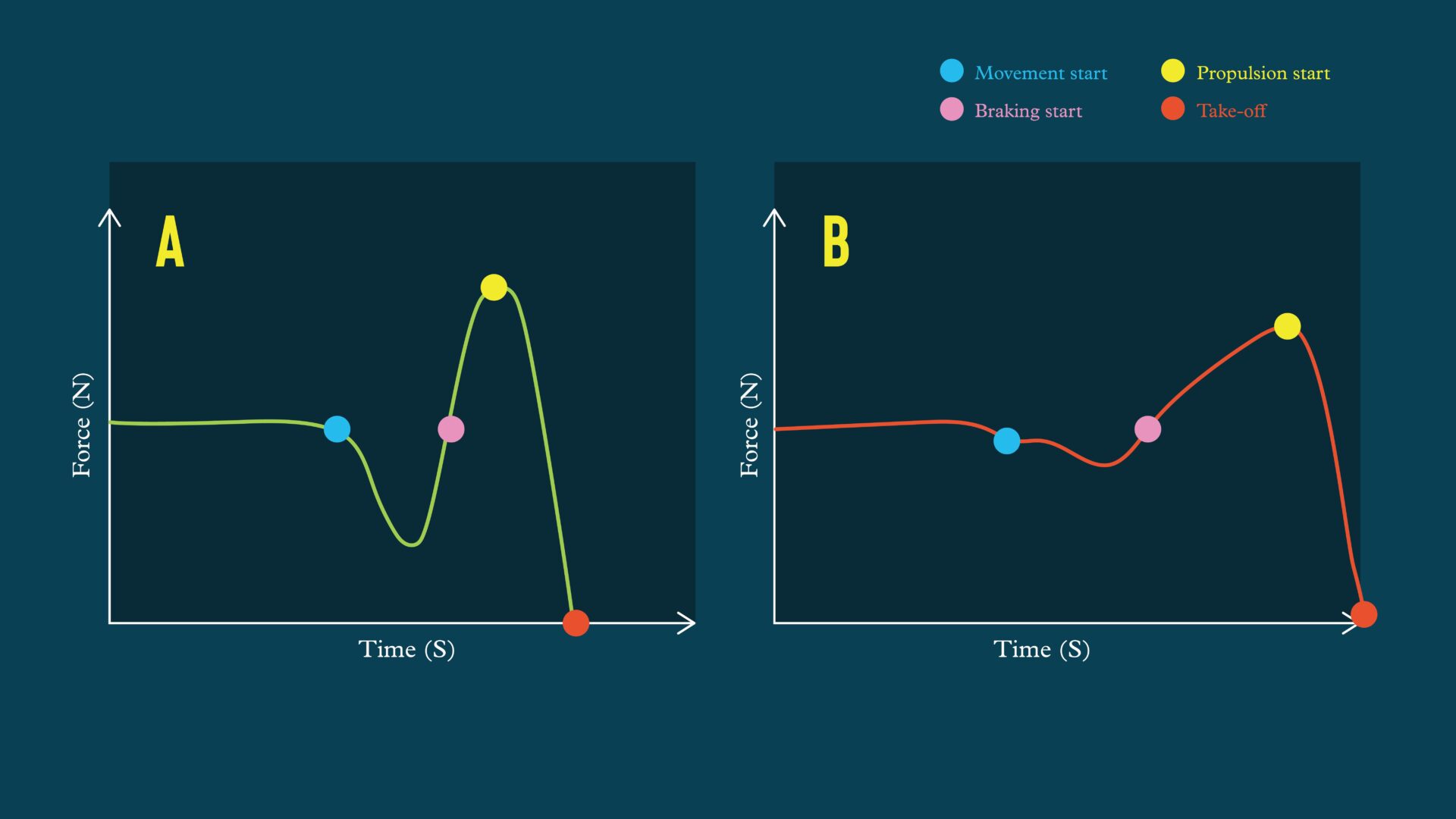
First, there is a shallower unweighting phase, reflecting a reluctance to enter “free fall” aggressively. This naturally increases demands when the knee must “slam on the brakes.” Second, the eccentric braking part of the force-time curve is often trembling, shallow, and prolonged, demonstrating a reduced capacity to express rapid eccentric force to decelerate. Finally, the propulsive phase is less steep, a consequence of poor eccentric-concentric coupling and limited utilisation of the stretch-shortening cycle.
Importantly, these characteristics are not fixed and can be improved through targeted eccentric training strategies.
Tweet ThisWhile atrophy and strength are relatively well investigated and prioritised in practice, far less attention has been given to the ability to produce force rapidly, particularly under eccentric braking conditions
@TommyEliBright & Matteo Pontiggia
Eccentric training in ACL RTP
The more “traditional” eccentric training methods, such as negatives, tempos and 2-1, have an important place in an athlete’s ACL RTP journey. These methods are effective for rebuilding tissue capacity and restoring maximal force production under controlled conditions. But they are typically performed at movement velocities and intent well below what they athlete will encounter during sporting actions. As a result, they are insufficient to prepare the athlete for the demands required at RTP.
To address this gap, eccentric training must progress beyond slow and controlled methods toward approaches that expose the athlete to higher loading rates and shorter time constraints: reflexive and accelerated eccentric strategies.
Reflexive and accelerated eccentrics
Originally termed “reflexive isometrics” by Yuri Verkhoshansky in Supertraining and Mel Siff in Biomechanics in Sport, reflexive eccentrics involve an eccentric braking action performed as quickly as possible. Rather than targeting absolute eccentric strength, the objective of reflexive eccentrics is to train explosive eccentric strength.
Some of the early reflexive eccentric exercises coming up in this article may appear deceptively simple. Their value lies in exposing the athlete to rapid braking demands and preparing them for more advanced progressions.
Accelerated eccentrics share similar principles, but they differ in execution. Instead of terminating the movement by “slamming on the brakes,” accelerated eccentrics transition immediately from rapid braking into a propulsive action, placing greater demands on eccentric-concentric coupling and the effective use of the stretch-shortening cycle [11].
Reflexive and accelerated eccentrics are not intended for early stage rehabilitation, nor are they a substitute for rebuilding foundational strength and tissue capacity.
Before introducing either method, practitioners must ensure the athlete satisfies some key prerequisites.
First is the ability to achieve full knee extension and ≥90° knee flexion. They must have a “quiet” knee, that is, minimal pain, effusion, or swelling during activities of daily living. The athlete has to be able to load the quadriceps bilaterally, i.e., barbell back squat at 50% of body mass for 10 repetitions in ≤ 20 seconds; and load the hamstrings bilaterally, i.e., long lever hamstring bridge with feet elevated for 20 repetitions in ≤ 30 seconds. Finally, they need to be ready psychologically. They have to display confidence in loading the knee joint during bilateral sagittal exercise.
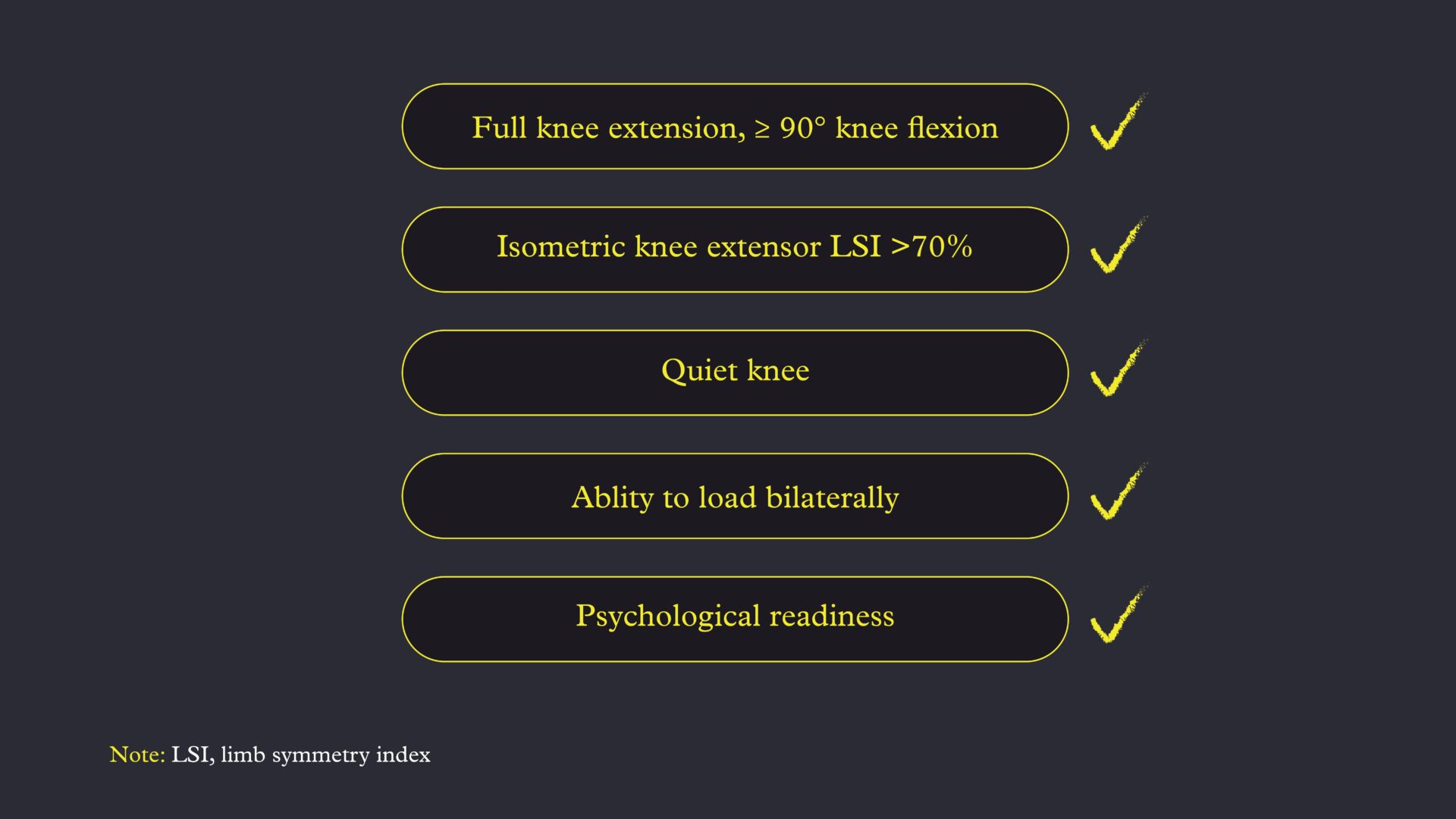
Together, these criteria provide a snapshot of whether the knee is prepared to tolerate the higher loading rates associated with reflexive eccentrics.
A quiet knee indicates that the athlete is tolerating the current loading without issue and the joint is not in an irritable state. Restoration of full knee extension is critical to normalise tibiofemoral mechanics, optimise quadriceps function, and ensure appropriate load distribution; while achieving at least 90° of knee flexion provides sufficient joint excursion to support force attenuation.
The ability to load the quadriceps and hamstrings bilaterally under time constraints further demonstrates that the athlete can actively generate and attenuate moderate forces without relying on slow, protective movement strategies.
Finally, apprehension or guarding can alter movement patterns, increase joint stiffness, and reduce the effectiveness of reflexive eccentrics.
Tweet ThisRather than targeting absolute eccentric strength, the objective of reflexive eccentrics is to train explosive eccentric strength
@TommyEliBright & Matteo Pontiggia
Progressing reflexive and accelerated eccentrics
Progressing these methods should prioritise the athlete’s ability to tolerate rapid eccentric braking before adding the challenge of an immediate concentric action.
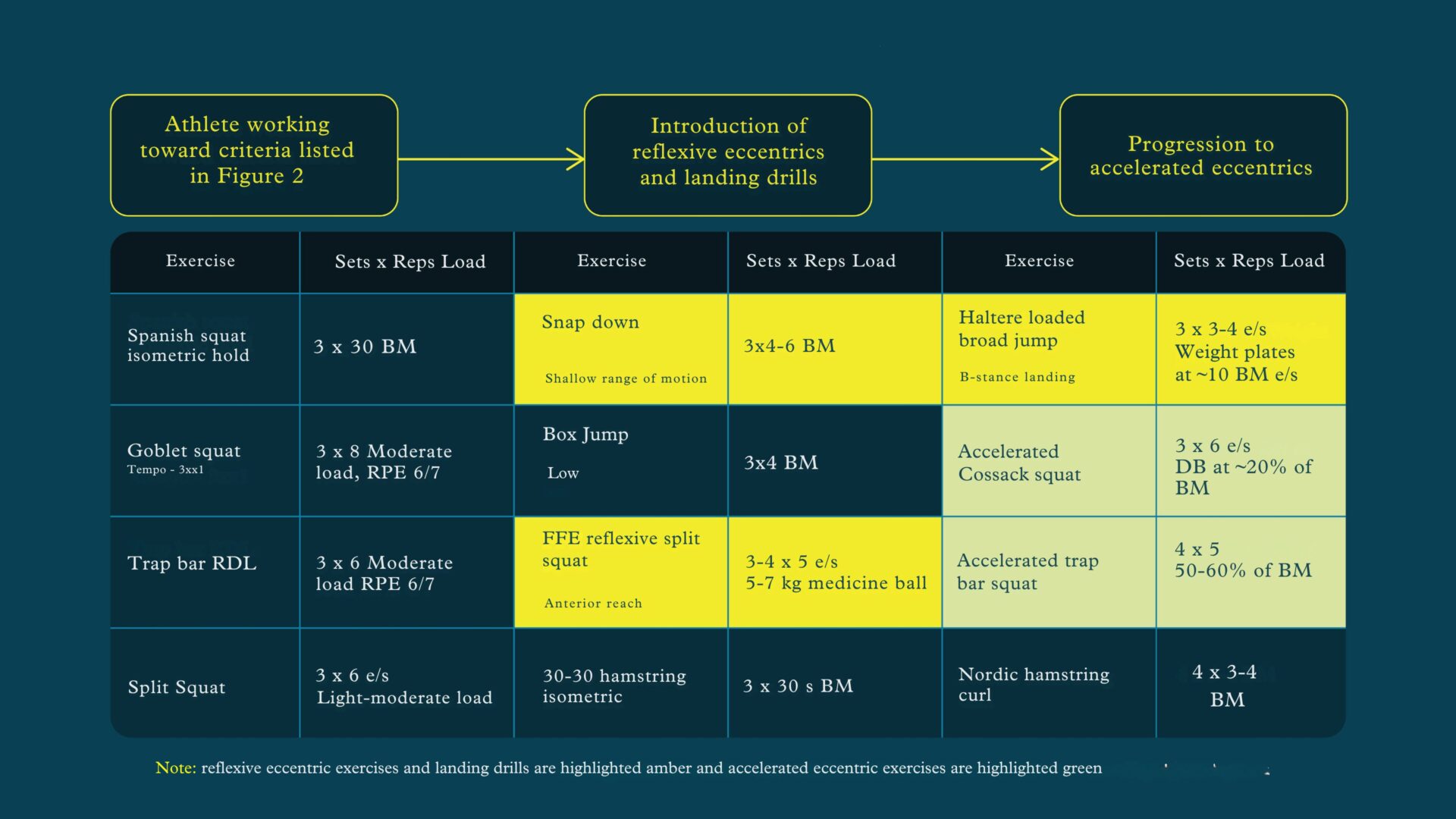
Reflexive eccentrics and landing drills are introduced first. Reflexive eccentrics isolate explosive eccentric braking and allow the athlete to develop confidence in accepting load under short time constraints without the added demands of eccentric-concentric coupling. Landing drills expose the athlete to eccentric braking while also reinforcing appropriate landing mechanics.
In some cases, it may be appropriate to delay the landing drills in order to develop competence with basic reflexive eccentric exercises. This can help prepare the athlete for the increasing amplitude and complexity that landing tasks require.
How we progress or regress these methods depends on several key factors, supported by a clear clinical reasoning process. The main considerations are: the range and plane of motion, the direction and magnitude of force, the type of muscle action, the movement pattern, and the external load applied.
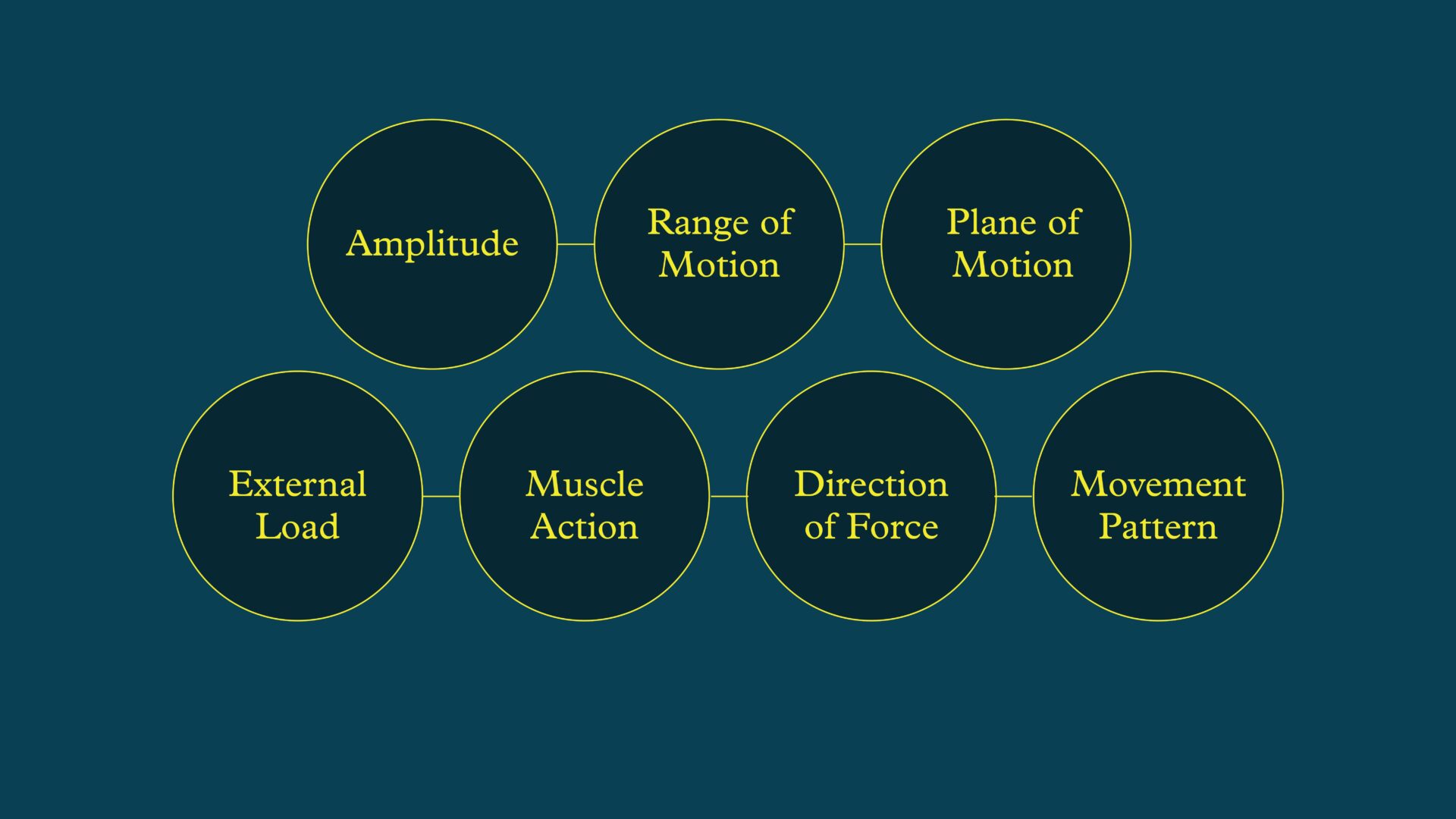
We also require four key checks to determine whether the athlete is ready to progress within and between each of the factors.
They have to demonstrate appropriate movement quality. Can they “slam on the brakes” without excessive trunk- or hip-dominant strategies, and with a positive shin angle indicating willingness to load the knee? Acceptable movement quality is subjective, and will vary between athletes depending on factors such as training age, movement history and anthropometric characteristics. Ultimately, the practitioner makes the call.
They have to demonstrate confidence, by entering and performing the movement without visible hesitation. While we observe this clinically, our observation should be supported by direct feedback from the athlete.
Their pain response during exercise should be ≤ 2-3 out of 10 on a VAS scale. And post-session, they should have no increase in swelling, effusion, or delayed pain. These two criteria relate to load tolerance, ensuring that the exercises are not provoking a joint response beyond what is acceptable during rehabilitation.
Range of motion
In reflexive and accelerated eccentrics, range of motion is all about where the athlete can tolerate “slamming on the brakes.” Shorter ranges provide greater confidence in doing so; whereas larger ranges increase the knee flexion moment arm and are associated with higher braking demands on the knee extensors.
The progression from range of motion starts with shallow knee flexion (~20-40°) during early exposure, progressing to 70° during the middle stages, and going deeper than 70° during the late stage of rehab.
If progressions through range of motion stall or don’t go as planned, we turn to an alternative guiding factor. For example, we may increase external load so the athlete returns to progressing range of motion with greater eccentric force producing capabilities.
Plane of motion
Sagittal plane movements are the easiest and safest to execute, making them the natural starting point. However, ACL injury mechanisms frequently involve frontal and transverse plane components, so braking capacity must expand beyond straight-line mechanics into these other planes.
Direction of force
Reflexive and accelerated eccentrics are about handling and dealing with momentum. Early on, this is easiest when forces are vertical-sagittal or horizontal-sagittal. The most complicated step involves lateral and rotational forces.
Muscle action
Reflexive eccentrics isolate the braking phase. Accelerated eccentrics add a concentric muscle action, thereby placing an increased demand on eccentric-concentric coupling and the stretch-shortening cycle. From the reflexive eccentric cued to “slam on the brakes,” we progress to an accelerated eccentric by adding “…and return rapidly through concentric action.”
If the athlete cannot control the braking phase alone, adding a concentric demand only masks deficits.
External load
External load offers us the opportunity to increase the momentum an athlete has to decelerate. The key progression principle is that we should increase external load only if the athlete can still “slam the brakes” rapidly. In other words, the athlete can deal with additional load without reducing their movement velocity. In practice, this is typically monitored qualitatively through the coach’s eye, looking for sharp, decisive braking rather than slowed or hesitant movement.
If additional external load slows the eccentric phase or results in stiff, overly cautious movement, the stimulus is no longer truly reflexive or accelerated, and the intended increase in braking demand is unlikely to be achieved.
If progressions stall, we reduce the external load and instead manipulate velocity through amplitude or using resistance bands.
Amplitude
Amplitude refers to the height or distance the athlete travels before braking begins. It is a primary way of increasing impact velocity and reducing the time available to decelerate. Start with smaller amplitudes, and as the athlete’s confidence and tissue tolerance improves, gradually increase amplitude.
Progression is based not simply on going higher or farther, but on the athlete’s ability to arrest motion quickly, maintain alignment, and complete sessions without symptom flare up. If greater amplitude leads to hesitation or loss of control, reduce height or distance while prioritising other variables (e.g., direction of force).
Movement pattern
The movement patterns should also progress alongside loading demands. Exercises typically begin with bilateral, more stable tasks before advancing to unilateral variations that place greater mechanical and coordinative demand on the involved limb.
As the original entry criteria for reflexive and accelerated eccentrics are based on a bilateral loading task, it is important to recognise that by the time unilateral movements are introduced, the athlete should already demonstrate competency in staggered, split, and unilateral patterns performed under controlled conditions.
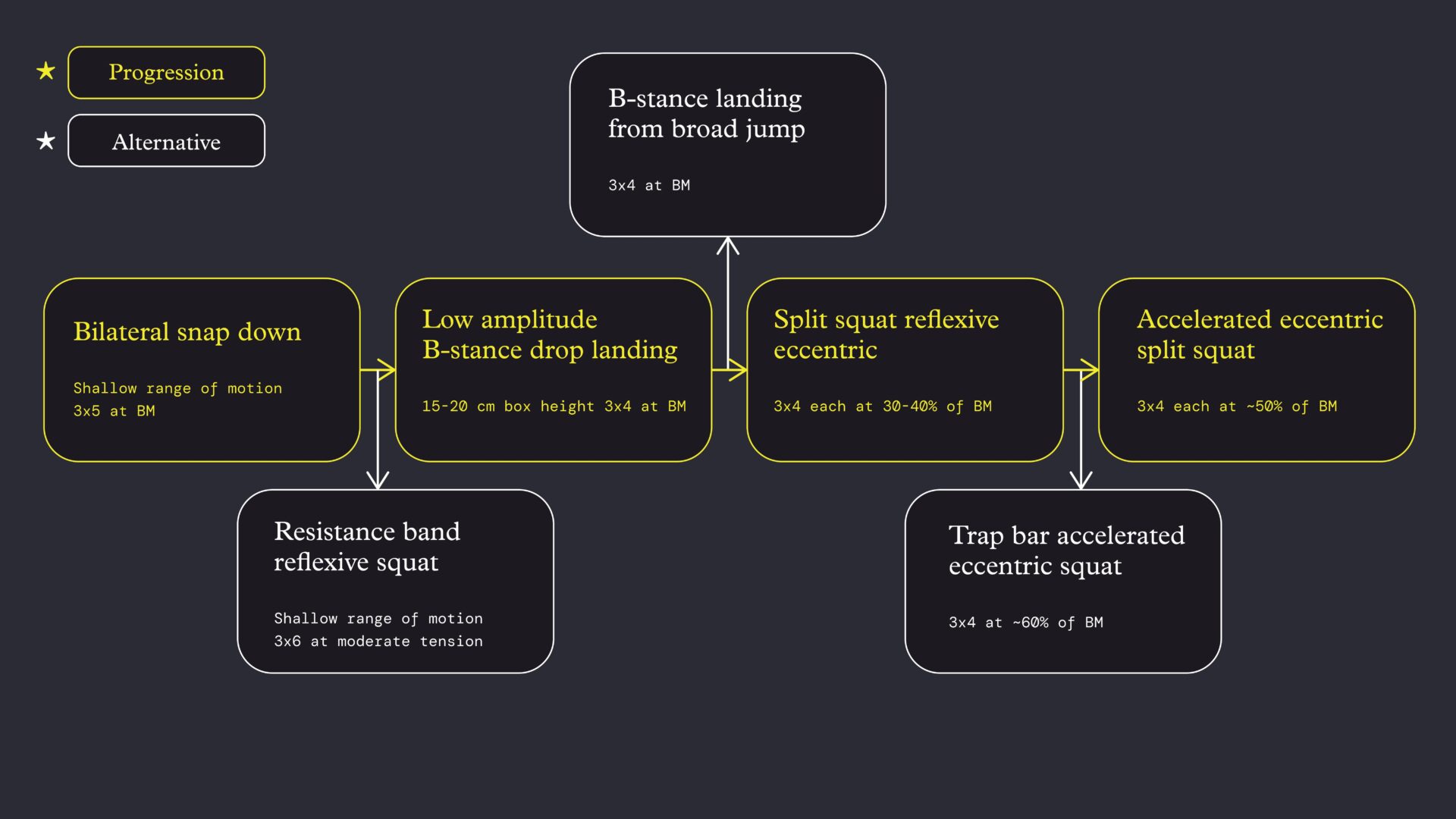
When combined, these guiding factors offer a framework for progressing and regressing reflexive and accelerated eccentric exercises in line with the athlete’s tolerance and RTP stage. By adjusting these variables deliberately, we can ensure the knee is exposed to progressively faster and more complex braking demands, directly addressing the eccentric deficits shown in Figure 1 rather than relying solely on traditional strength or jump metrics.
Figure 4 provides an example of progressing these variables in practice, while also highlighting alternative options that can individualise the pathway.
Restoring confidence and psychological readiness
Over the past decade, it has become increasingly clear that RTP after ACL injury is associated with a significant psychological response. Practitioners cannot overlook psychological factors as an important part of the puzzle [12].
Multiple psychological factors are related to RTP: fear of re-injury, lack of confidence in the knee, self-efficacy, and kinesiophobia.
Some of these have been combined in the post-ACL injury return to sport scale.
The problem is that the evidence is actually quite contradictory. While low readiness is associated with a second injury in younger athletes [13], some studies found that those who suffered a re-injury actually showed superior psychological readiness [14]. As it stands, we aren’t sure exactly how much this readiness score influences a new tear. However, we do know that building self-efficacy is related to improved knee function and pain tolerance.
While caution is necessary, restoring confidence where it’s missing is always a priority.
Nevertheless, restoring strength and power is not enough to boost psychological readiness[15]. Athletes need to be gradually exposed to fearful movements, allowing the brain to develop a new “safety map” that can eventually compete with and inhibit the memory of the trauma.
That’s why we use a very practical and engaging tool: the “boards of fear.” This is a place for patients to record the movements that they find most intimidating or fear-provoking.
Fast movements and jumping are commonly identified as the most challenging situations. These present a great opportunity to deliver a “surprise effect”: when an athlete expects the knee to fail, but the experience proves it holds up, a drastic shift in confidence occurs.
Reflexive and accelerated eccentric training are great ways to target an athlete’s fear and begin building confidence in the injured leg. By challenging the body with rapid and unpredictable situations, we are teaching the brain to move away from over-protecting the limb.
Rebuilding a sport-ready athlete
Reflexive and accelerated eccentric training illuminate a potential blind spot within conventional RTP protocols: the capacity to attenuate force at speed. An athlete may achieve acceptable limb symmetry index scores in strength and hop testing, yet still demonstrate hesitation, stiffness, or poor movement mechanics under rapid eccentric braking demands. By deliberately introducing tasks that shorten braking time and increase impact velocity, we can better observe whether the knee, and the athlete, can truly tolerate the speeds encountered in sport.
This means expanding, not replacing, traditional RTP methods. Reflexive eccentrics are a way to bridge the gap between controlled gym settings, and the chaotic, high velocity demands of competition, helping ensure that RTP reflects not only strength and symmetry, but readiness to handle the speed of sport.
Tweet ThisAn athlete may achieve acceptable limb symmetry index scores in strength and hop testing, yet still demonstrate hesitation, stiffness, or poor movement mechanics under rapid eccentric braking demands
@TommyEliBright & Matteo Pontiggia