
Individual differences are apparent from the moment patients leave the operating room after anterior cruciate ligament (ACL) reconstruction. Many factors including graft type, individual inflammatory response, body composition, pre-injury activity level, and even the patient’s subjective perception after surgery can significantly influence early postoperative recovery.
In the early stages following ACL reconstruction, patients typically present with a range of functional deficits that cannot be explained by a single mechanism.
The main limitation is not just weakness of the leg. Pain, joint effusion, altered afferent input, and arthrogenic muscle inhibition (AMI) can decrease voluntary quadriceps activation and limit the athlete’s ability to tolerate extension, weight-bearing, and early exercise exposure. In clinical practice, this means that even well-chosen exercises may produce inferior results if the nervous system is not in an optimal state for effective activation and movement.
Neuromodulation is the ability of neurons to alter their electrical properties in response to changes in their biochemical environment, which can be mediated by synaptic or hormonal signals.[1, 2]
Tweet ThisThe main limitation is not just weakness of the leg. Pain, joint effusion, altered afferent input, and arthrogenic muscle inhibition (AMI) can limit the athlete’s ability to tolerate extension, weight-bearing, and early exercise exposure.
@julio_caballe and Victor Jimenez Aransay
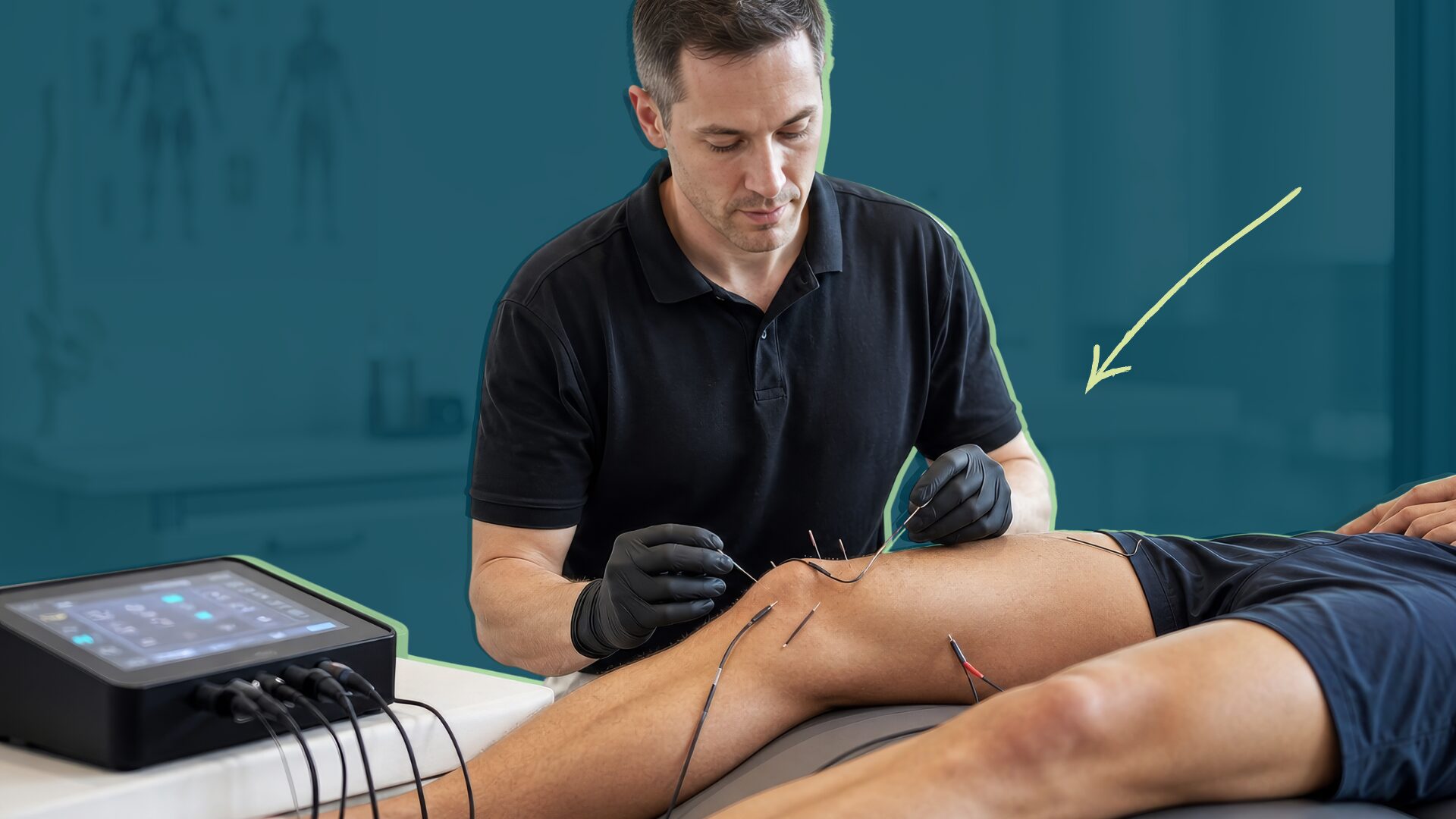
Percutaneous nerve stimulation (PENS) devices can help practitioners modify the conditions of the rehabilitation session to improve the patient’s performance.
PENS devices influence neural function by applying an electrical stimulus through a needle placed near a peripheral nerve. This may reduce pain, improve neuromuscular output, and enhance muscle activation and motor control.[3, 4] While its mechanisms are not yet fully understood, current evidence suggests it can modulate nociceptive information via peripheral and central pathways, reduce pain-related sensitization, and improve the short-term neuromuscular response.[5–8]
For the clinician, the crucial question is not whether PENS produces a lasting effect on its own, but whether it can temporarily modify the patient’s condition in the short term.
If pain decreases, quadriceps activation improves, or knee movement is better tolerated, the therapist can take advantage of this moment to improve exercise quality, load, and motor retraining in the early stages following ACL reconstruction.
Overcoming early obstacles during post-ACLR rehab
During the acute phase of rehabilitation post-ACLR, strict adherence to the protocol or “racing against time” to increase the number of exercises or sessions should not be the overarching mindset. Instead, the priority is to optimise the quality of each rehabilitation session within a system constrained by pain, neuromuscular inhibition, limited tolerance to load, and reduced knee range of motion.
Early ACL rehabilitation is often limited by neural and pain-related factors rather than purely mechanical ones. PENS may temporarily improve the limiting conditions in the early stages and allow for more effective exercise.
Arthrogenic muscle inhibition
Arthrogenic muscle inhibition is a reflexive neural response that limits the ability to fully activate, in this context, the quadriceps.[10] Altered afferent input from the joint drives AMI. This can result from inflammation, joint effusion, and disrupted mechanoreceptor signalling.[11] These neurophysiological changes lead to inhibition of the quadriceps motor neuron pool, reducing voluntary activation and force production during the early stages of rehabilitation.[12]
ACL injury and reconstruction significantly reduce quadriceps strength by 5–40%, alongside decreases in muscle volume of approximately 20–33% within the first weeks following surgery.[13,14]
Clinically, this means that patients undergoing this reconstruction are unable to effectively contract their knee extensor muscles, even when they know what task to perform. They will therefore under-perform on exercises that rely on active knee extension or force production, showing reduced contraction quality.
Since this deficit is largely neural in origin, physiotherapy interventions targeting this system may be relevant. PENS helps increase short term neuromuscular activity, which could improve quadriceps muscle recruitment and allow for more effective performance of strengthening exercises.[7,15]
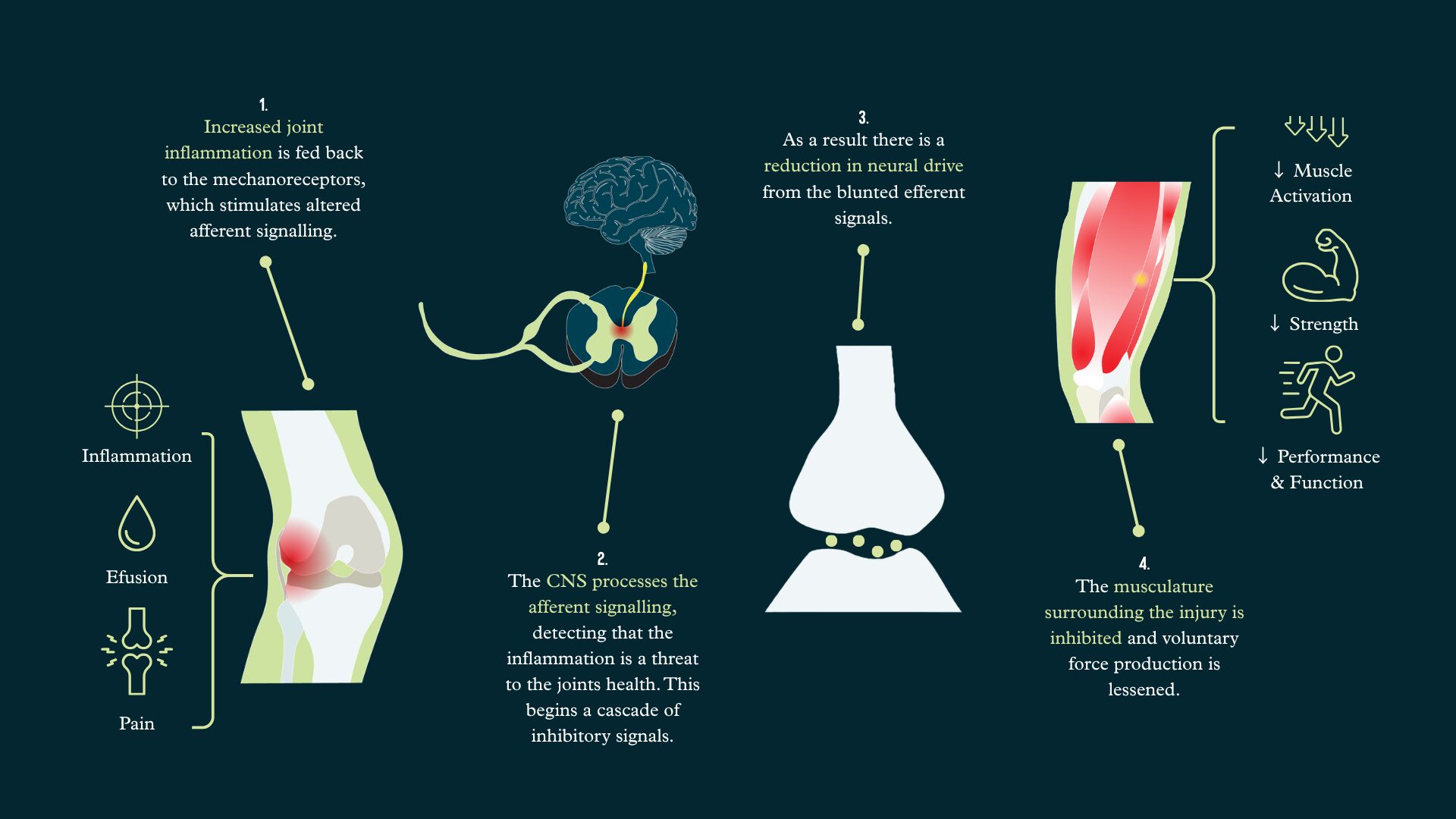
Figure 1. Schematic detailing the causation of arthrogenic muscle inhibition
Pain
Pain is a key limiting factor in the early stages after ACL reconstruction, not only as a symptom but also as a factor in neuromuscular dysfunction. Tissue damage, joint inflammation, and intra-articular bleeding trigger a cascade of inflammatory responses, which directly influence neuronal activity by activating nociceptors and altering synaptic transmission. These, in turn, disrupt afferent signalling, increase neuronal excitability, and interfere with motor control.[16,17]
The increased pain patients experience after this surgery translates into reduced tolerance for knee movement, particularly knee extension, weight-bearing, and early weight-bearing activities. This condition can limit the intensity and quality of the early rehabilitation phase.
Neuromodulation can help address this condition by reducing nociceptive input and pain-related sensitization, allowing the patient to better tolerate the load, perform the movement better, and participate more effectively in the exercise programme.[18,19]
Tweet ThisTissue damage, joint inflammation, and intra-articular bleeding trigger a cascade of inflammatory responses, which directly influence neuronal activity by activating nociceptors and altering synaptic transmission.
@julio_caballe and Victor Jimenez Aransay
Limited range of motion
Limitations in knee ROM, especially extension, are common in the early postoperative phase. This condition is called arthrofibrosis.[20] Several factors contribute to it, including technical errors related to tibial graft placement, excessive graft tension, or the presence of cyclops syndrome.[21]
Reduced ROM translates into compensatory movement patterns, diminished exercise quality, and delayed recovery progress.
While structural factors can contribute, pain and neuromuscular inhibition frequently play a significant role in limiting movement in the early stages of rehabilitation.
Applying PENS to the femoral nerve in individuals with anterior knee pain produces immediate and short-term improvements in knee flexion range of motion. Although direct evidence in populations with ACL reconstruction remains limited, these findings suggest that PENS may be a useful adjunct to facilitate improvements in knee range of motion, particularly in the early stages following ACL reconstruction.[13]
Neuromodulation as a short-term priming strategy
PENS is not a stand-alone treatment nor an intervention to generate long-term adaptations on its own. In the early phase of ACL rehabilitation, it is a tool to modify the conditions of the rehabilitation session in order to achieve short-term improvements.
Reducing the common neural and pain-related limitations opens a window of opportunity for the physical therapist to improve muscle activation, strength expression, movement quality, and tolerance to therapeutic exercise. In this sense, the value of neuromodulation lies not in the stimulation itself, but in what it allows the clinician to do next.
Tweet ThisReducing the common neural and pain-related limitations opens a window of opportunity for the physical therapist. In this sense, the value of neuromodulation lies not in the stimulation itself, but in what it allows the clinician to do next.
@julio_caballe and Victor Jimenez Aransay
PENS case study
A 29-year-old male athlete, 12 days after ACL reconstruction (autologous hamstring graft with posterior horn meniscectomy of the medial meniscus), presented with: pain rating of 7/10 on the visual analogue scale, 45° of knee flexion, significantly limited active knee extension, and knee inflammation. He walked with two crutches, as the affected leg was not yet weight-bearing.
His main limitation was not muscle strength, but the inability to activate the quadriceps due to pain and AMI. This significantly reduced his ability to tolerate extension and perform initial rehabilitation tasks.
The goals in this phase were to assess the patient’s initial condition, monitor short-term progress, reduce pain and inflammation, improve ROM, and restore quadriceps activation. We also aimed to prevent bilateral deficits by maintaining muscle mass and force generation capacity in both lower extremities, avoiding asymmetries, and promoting proper knee function.
Following surgery, the patient was prescribed a home rehabilitation programme that included isometric exercises for the quadriceps and hamstrings. Post-operative guidelines focused on regaining full knee extension (passive and active) during the first two weeks. These entailed daily use of cryocompression (Game Ready system), progressive performance of isometric contractions of the operated limb (extensors, flexors, adductors, and abductors), and strengthening exercises for the trunk, upper extremity, and contralateral limb.
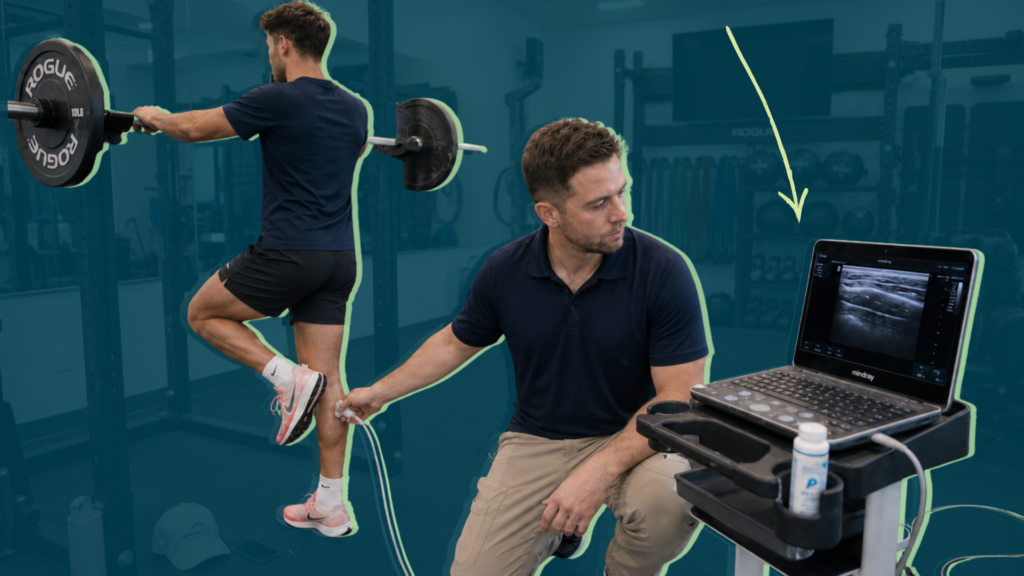
Using ultrasound guidance, I applied PENS to the femoral nerve. Specifically, the epineurium of the femoral nerve, an area with a high density of motor axons directed to the quadriceps. The femoral nerve let us target quadriceps activation and reduce short-term inhibition. The procedure lasted 15 minutes, at the maximum intensity the athlete could tolerate, producing a strong but painless contraction.
After antiseptic preparation of the area, I inserted a 0.30 x 40 mm needle using a longitudinal approach at an approximate 45° angle from lateral to medial (Figure 2). The needle was connected to the positive pole (anode) of an electroacupuncture device (AWQ-105 Pro), while a surface electrode (Durastick, 5 x 9 cm) was placed distally on the medial aspect of the thigh and connected to the negative pole (cathode).
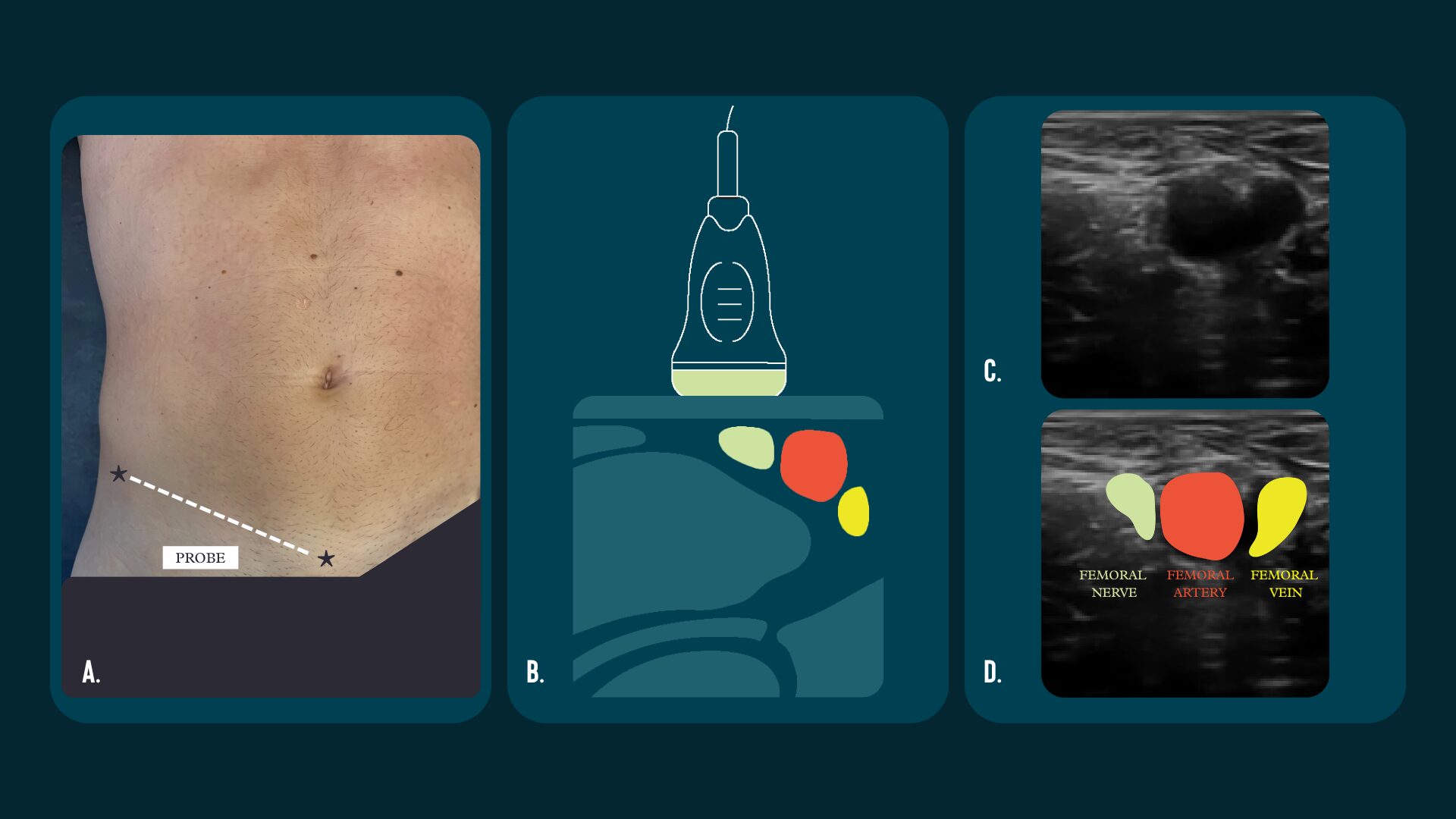
Note: (A) Location of the probe below the line spanning the inguinal fold at the level of the pubic tubercle, and the anterior superior iliac spine (denoted by the line and stars); (B) Representation of the peripheral placement of the needle relative to the position of the femoral nerve and femoral vascular structures (C, D). The needle entry approach was performed “out of plane” by passing the needle over the lateral edges of the perineurium (white dashed arrows showing the needle positioning) at the lateral or superior border of the nerve.
Tweet ThisUsing ultrasound guidance, I applied PENS to the femoral nerve. Specifically, the epineurium of the femoral nerve, an area with a high density of motor axons directed to the quadriceps.
@julio_caballe and Victor Jimenez Aransay
Immediately after PENS, I applied manual therapy to further optimise joint conditions, followed by 3 sets of 10 repetitions per leg of bilateral quadriceps isometric contractions. The patient visualized the target muscles contracting, held each contraction for 3 seconds, and then relaxed for 3 seconds.
After a second PENS intervention on the femoral nerve using the same parameters, he performed isometric exercises, first bilaterally, with short lever arms in addition to closed kinetic chain (CKC) exercises to prevent possible anterior tibial translation.
During that week, the patient continued with a combined physiotherapy approach, including manual therapy on all involved joints to improve mobility and reduce swelling, along with closed kinetic chain exercises and lumbopelvic stability work.
At three weeks, pain was down to 1/10, with full knee extension, 110° of flexion, and improved neuromuscular control and functional capacity.
Neuromodulation modified the conditions of the subsequent rehabilitation session. It showed its value in enabling better muscle activation, improved movement quality, and greater tolerance to loading in the early stages following ACL reconstruction.

Decision-making guidelines for when to use PENS
PENS may be appropriate for moderate to severe pain that limits movement or daily activities, when there are clear signs of quadriceps inhibition. It may also be useful, if the athlete has low tolerance to knee extension or early weight-bearing, limited ROM, or decreased quality of movement due to pain or neuromuscular dysfunction.
PENS is contraindicated when the patient’s pain is being controlled, the patient has good voluntary muscle activation, good ROM, and tolerates weight-bearing without significant limitations.
Practitioners should continuously reassess whether the intervention is improving pain, muscle activation, movement quality, and load tolerance. If it does not produce a meaningful change in pain, muscle activation, movement quality, or load tolerance, discontinue neuromodulation in favour of prioritising standard rehabilitation strategies.
Tweet ThisPENS is contraindicated when the patient’s pain is being controlled, the patient has good voluntary muscle activation, good ROM, and tolerates weight-bearing without significant limitations.
@julio_caballe and Victor Jimenez Aransay
Short-term solution with long-term effects
The initial phase following ACL reconstruction not only marks the beginning of recovery but also lays the foundation for all subsequent phases.
The goal of the PENS strategy is not to directly accelerate the return to sport, but to improve the quality of the training stimulus from the very start of rehabilitation. Which, when done correctly, can have a direct impact on the return to sport timeline.
By temporarily reducing pain, improving quadriceps activation, or increasing movement tolerance, physical therapists can create better conditions for more effective exercise and loading. These small improvements, repeated continuously, can facilitate a smoother progression toward strength development, movement control, and exposure to the specific demands of the sport.
The aim is not to add isolated interventions, but to use specific tools at the right moment to improve the quality of rehabilitation and training exposures.
Tweet ThisThe goal of PENS is not to directly accelerate the return to sport, but to improve the quality of the training stimulus from the start of rehabilitation. Which, when done correctly, can have a direct impact on the return to sport timeline.
@julio_caballe and Victor Jimenez Aransay