

Blood flow restriction (BFR) training has emerged as an innovative technique that offers significant potential for enhancing strength and hypertrophy, aerobic capacity, and recovery. This method, once confined to niche rehabilitation settings, is now gaining widespread attention in athletic and fitness communities for its ability to deliver results comparable to high intensity training while using significantly lower loads.
BFR training leverages a unique mechanistic approach to stimulating muscular and cardiovascular adaptations through controlled hypoxia and metabolic stress. BFR reduces oxygen availability by partially restricting blood flow to the working muscles via specialised cuffs or bands, intensifying physiological stress even during low intensity exercise.
This restriction causes a cascade of responses. First, the hypoxic environment increases Type II muscle fiber recruitment, which is typically reserved for high intensity efforts. This accelerates muscle activation and promotes hypertrophic signalling pathways.
The accumulation of metabolites, such as lactate, triggers anabolic hormone release, including growth hormone and insulin-like growth factor-1 (IGF-1). These hormones play a critical role in muscle repair and growth.
Additionally, BFR enhances vascular adaptations by stimulating nitric oxide production. Nitric oxide is essential for improving endothelial function and blood flow. The intermittent occlusion and reperfusion cycles also increase capillary density, enhancing oxygen delivery and nutrient transport.
The mechanistic principles of BFR training allow significant strength, hypertrophy, and endurance gains using light loads (20-30% of 1RM) or low intensity aerobic exercises (40% VO2 max). This makes BFR a versatile tool for athletes, individuals in rehabilitation, and those seeking efficient training methods. By mimicking the effects of high intensity exercise at lower intensities, BFR provides a safe and effective approach to improving fitness and recovery.
One of the most appealing aspects of BFR training is its accessibility to a wide range of athletes, including those recovering from injury. Due to joint or tissue limitations, traditional high load resistance training is often not feasible during rehabilitation. BFR provides an alternative by offering comparable benefits with minimal stress on joints and connective tissues. This has made it particularly popular among athletes aiming to maintain muscle mass and strength while recovering from injury or continue building adaptations during a congested training / fixture cycle.
The effectiveness of BFR training extends beyond rehabilitation into performance enhancement. Incorporating BFR sessions into a training regimen can provide an effective means of adding volume without overloading the nervous system or risking overtraining. The low load nature of BFR makes it an attractive option during deload phases or as a complement to high intensity workouts.
Using BFR effectively requires practitioners to integrate it with due regard for safety and efficacy within a periodised rehabilitation or conditioning program.
Tweet ThisBFR training leverages a unique mechanistic approach to stimulating muscular and cardiovascular adaptations through controlled hypoxia and metabolic stress. BFR reduces oxygen availability by partially restricting blood flow.
@Matthewbest12

BFR for strength and hypertrophy
When targeting strength and hypertrophy, we tend to periodise the training from beginner to advanced practices depending on the athlete’s conditioning levels, training history, or injury status. The beauty of BFR is that it can be applied safely to a majority of injuries, to fatigued athletes, or within congested schedules.
The accessibility for a wide range of populations—including load impaired athletes and patients—makes it an incredibly effective tool to elicit strength and hypertrophy under low load.
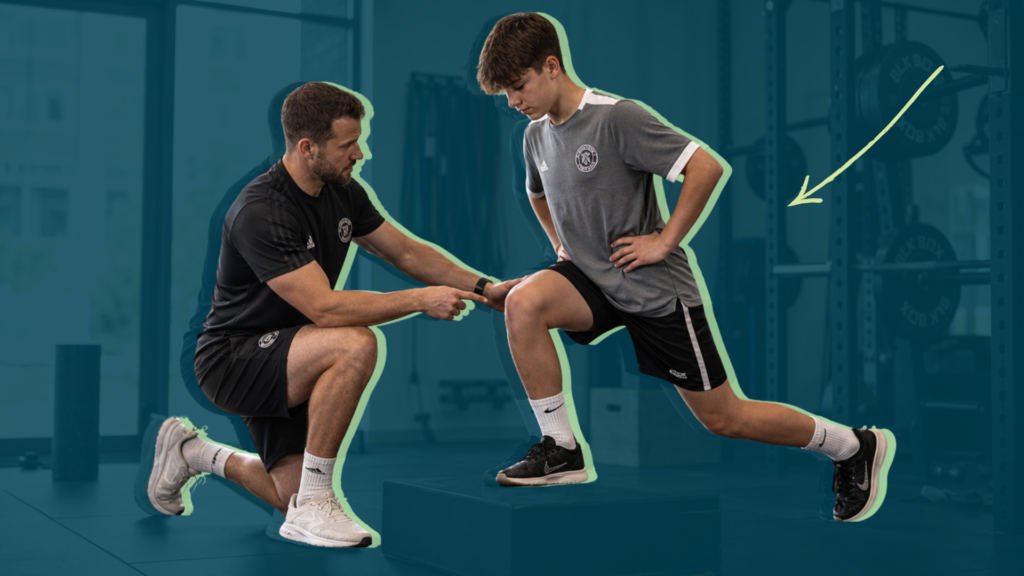
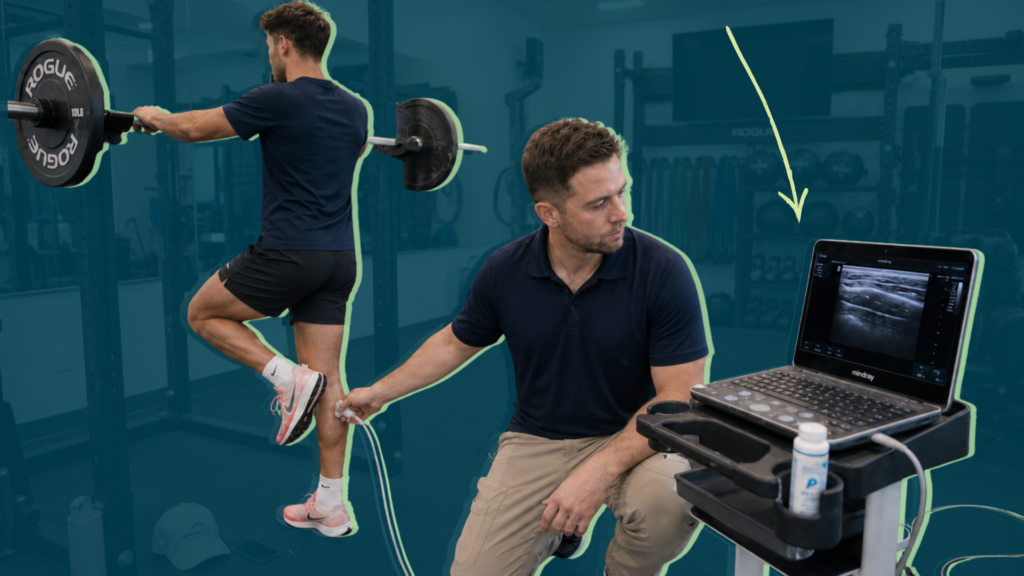
When using BFR with beginners, we tend towards single joint exercises with a limb occlusion pressure (LOP) of 70-80%; and using a set and repetition scheme slightly less than the heavily researched 75 repetitions. Since the target is strength and hypertrophy, we maintain continuous blood flow restriction throughout the prescribed exercise, even with beginners. This ensures a significant level of hypoxia and cellular swelling to enhance the metabolic accumulation and stimulate the necessary pathways for muscle growth and repair.
Progressing through a periodised plan, we typically increase the level of detail and aggressiveness of our BFR training. We’ll couple low load BFR with heavy resistance training to target certain muscular groups for strength and hypertrophy adaptations. The 75 repetitions scheme comes into play through multiple exercises, normally after a bout of heavy resistance exercise to “finish” or deplete the energy stores and contractility of the muscle to enhance adaptation.
During periods of a congested schedule, BFR ensures we are still maintaining strength qualities throughout the season. It’s difficult during these times of the season to get good strength stimuli without overdoing joint stress and energy expenditure. BFR strength sessions are feasible on MD+1 because we can train at low loads, reducing joint and connective tissue stress while enhancing the efficiency of the session and establishing key mechanistic properties.
These sessions can be shorter while still providing significant benefits for hypertrophy and strength. And, due to the reduced overall load, athletes can incorporate BFR training more frequently without the same level of muscle soreness or risk of overtraining associated with high load training.
Tweet ThisWhen using BFR with beginners, we tend towards single joint exercises with a limb occlusion pressure (LOP) of 70-80%; and using a set and repetition scheme slightly less than the heavily researched 75 repetitions.
@Matthewbest12
BFR complements recovery strategies and goals
When trying to enhance recovery, practitioners needs strategies that promote protein synthesis; improve blood flow, vascular status, nutritional enhancement, and replenishment (enhancement of glycolysis and ATP stores as well as enhancing protein synthesis); and reduce inflammatory markers such as creatine kinase.
Strategies such as cryotherapy, heat therapy, compression therapy, massage and active recovery are part of many athletes’ and practitioners’ daily practice to enhance recovery. Particularly with the latest BFR technologies and garments, BFR easily complements many of these recovery modalities. For example, athletes can wear BFR garments during active recovery sessions, and even in the pool and ice bath. Conversely, unlike some other recovery strategies, BFR has no evidence of stunting adaptations.
The research surrounding using BFR for recovery is growing, and understanding how BFR works mechanistically allows practitioners to have greater confidence in its power.
Recovery strategies for BFR subdivide into the passive and active categories.
Passive BFR
The standard passive BFR application is 5 minutes on with 2 minutes off. We use this post-game, including during post-game travel.
The opportunity to use BFR on the team bus is huge and enables us to start the recovery process early. We also use this approach on MD+2 while the players are in their meetings and at breakfast, enhancing any opportunity in the day.
Passive BFR relies on exposing tissues to brief, controlled periods of occlusion followed by reperfusion, which induces a protective response that can enhance recovery. This makes it important that the restriction is high (>80%) to maximise the reperfusion of blood.
Tweet ThisPassive BFR relies on exposing tissues to brief, controlled periods of occlusion followed by reperfusion, which induces a protective response that can enhance recovery. This makes it important that the restriction is high (>80%).
@Matthewbest12
Active BFR
The standard MD+1 and MD+2 active BFR is also 5 minutes on with 2 minutes off; and again with a high restriction of around 80% LOP to enhance the reperfusion effect while performing low intensity exercise. The exercises can be a simple walk, low resistance bike, swim or hydro walk, and even mobility / warm up pre-activation sessions.
Using BFR to improve aerobic capacity
Employing BFR to enhance aerobic capacity is not new, but is probably underutilised within the field. It’s particularly valuable in rehab settings to help bridge the gap between early and late stages.
With our understanding that BFR can induce greater angiogenesis and vascular function, as well as improving buffering against metabolic accumulation, coupling BFR with aerobic conditioning makes perfect sense. If we can stress the vascular system early within the rehabilitation stage while athletes are unable to perform higher levels of intensity, then this strategy can help them build their foundations.
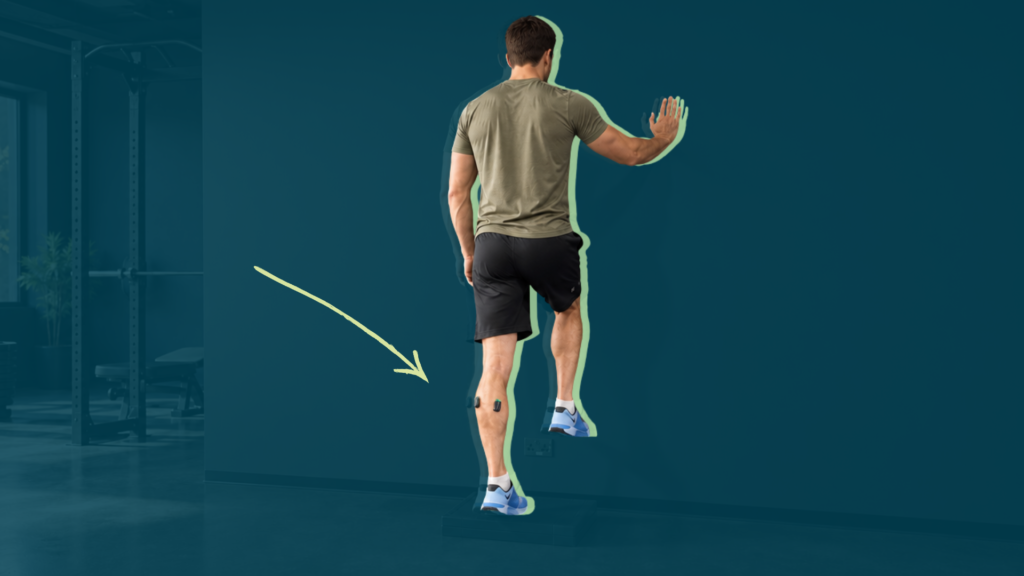
We simply use BFR for a maximum of 20 minutes on a continuous block of cardiovascular exercise. This enhances the stress on the vascular and cardiovascular systems. Aerobic modalities include stationary bike, stepper, or even incline walking; and BFR can play a role as exercise intensity increases over the course of rehab.

Blood flow restriction’s next frontier
Potentiation is one of the newer areas of BFR usage and research.
The fundamental processes of post-activation potentiation are the phosphorylation of myosin regulatory light chains, an increase in neural factors, and the recruitment of higher order motor units. We do not know if BFR can elicit such reactions. However, PAPE involves enhancing subsequent voluntary—rather than electrically evoked—force, via mechanisms such as increased muscle temperature, decreased muscle pH, increased blood flow and water content, and increased neural drive and muscle activation. BFR can enhance these processes.
The recruitment of Type II fibres and neurological enhancements, as well as the effects of reperfusion, bolster the case for BFR, especially when you have limited time, space, and resistance / load. Being able to accomplish these goals with lower loads makes this phenomenon a highly effective and less stressful strategy with a high potential for enhancement.
This strategy isn’t widespread yet. We couple BFR with our pre-activation / warm up exercise throughout the week, depending on athletes’ preference, to enhance the potentiation effect. Moreover, if we target a more aggressive potentiation effect, we have used PAP combined with resistance exercise of around 60% maximum and maximal isometric work.
Our approach is to use the BFR intermittently to reduce muscular energy depletion while stimulating Type II fibres, and incurring greater motor unit recruitment from higher load resistance exercise or maximal isometric contraction.
Tweet ThisTo potentiate we use the BFR intermittently to reduce muscular energy depletion while stimulating Type II fibres, and incurring greater motor unit recruitment from higher load resistance exercise or maximal isometric contraction.
@Matthewbest12
What else can BFR do?
Additional usages of BFR can help with general practices.
Analgesia
BFR has an analgesic effect, increasing tolerance to load and exercise. BFR training also reduces pain and improves qualitative questionnaires / confidence reports in athletes recovering from ACL injuries.
We have coupled BFR training for an analgesic stimulus with typical tendon loading strategies and joint related presentations. For example, for a typical patella tendinopathy, we would combine an isometric knee extension with a low load, full range knee extension under BFR to incur maximal analgesic effects.
Tweet ThisBFR with typical tendon loading strategies has an analgesic effect – for a typical patella tendinopathy, we would combine an isometric knee extension with a low load, full range knee extension under BFR to incur maximal analgesic effects.
@Matthewbest12
Minimizing muscle atrophy
Myostatin and muscular waste increases during immobilisation. Passive BFR or, if the athlete can tolerate it, active BFR with electrical muscular stimulation allows the downregulation of myostatin and increases protein synthesis, reducing the overall effects of muscle atrophy.
Having a clear rationale and understanding of the mechanistic and physiological effects of BFR can make it a great tool to supplement rehabilitation, conditioning, and recovery within current practices.
| Targeted intervention | Intensity | Sets, reps, duration | Occlusion pressure | Time under occlusion | Periodisation | Targeted physiological response |
| Strength and hypertrophy | 20-40% | 4 sets; 30:15:15:15 reps | 70-80% LOP | Continuous | 2x daily; 6x weekly | Hypoxia/metabolic accumulation | Satellite cell proliferation | GH & IGF-1 | Type II muscle fiber & Motor unit recruitment |
| Passive recovery | N/A | 3 sets; 5 mins on, 2 mins off | 80-100% LOP | Intermittent | Daily | Protein Synthesis/ mTOR activation | Satellite cell proliferation| HSP | Reperfusion | Capillary density/nutrient uptake |
| Active recovery | < 30% 1RM Low intensity cardiovascular exercise | 3 sets: 5 mins on 2 mins off | 80% LOP | Intermittent | Daily | Protein Synthesis/ mTOR activation | Satellite cell proliferation| HSP | Reperfusion | Capillary density/nutrient uptake |
| Aerobic capacity | N/A | 1-4 sets; 20 mins on, 5 mins off | 30-50% LOP | Continuous / Intermittent | 1x daily – 3x weekly | Endothelial function | Angiogenesis |
| PAP, PAPE, ischemic preconditioning | 60-90% | 2-4 sets; 2-6 reps | 70-80% LOP | Intermittent | MD -1, MD, pre-training | Type II muscle fiber activation and increased motor unit recruitment |
Tweet ThisPassive BFR or, if the athlete can tolerate it, active BFR with electrical muscular stimulation allows the downregulation of myostatin and increases protein synthesis, reducing the overall effects of muscle atrophy.
@Matthewbest12