

One of the biggest challenges for sports performance practitioners in women’s football is preparing players for the rapidly increasing demands of the game. Physiological loads are increasing as the schedules of elite domestic and international competition are becoming more intense, driving the requirement for efficient recovery between fixtures.
The importance of recovery is highlighted by the growing frequency of injuries within the top women’s leagues in Europe. This is partly due to prolonged fixture congestion. Players often compete with only 3-4 days recovery between fixtures, exposing them to increased injury risk [1]. According to a report published by FIFPRO in 2023, players who sustained ACL injuries made more appearances, had more instances of <5 days between matches, and had less rest time in the 28 days prior to the injury than the non-injured players.
Scheduling is out of our control, so we have to enhance recovery processes to prepare the players for short turnarounds and alleviate concerns of injury during prolonged congestion. Blood flow restriction (BFR) is growing in popularity amid promising signs of supporting recovery between matches.
Tweet ThisScheduling is out of our control, so we have to enhance recovery processes to prepare the players for short turnarounds and alleviate concerns of injury during prolonged congestion. Blood flow restriction (BFR) is growing in popularity amid promising signs of supporting recovery between matches.
@JackInstrall
BFR is still new to most practitioners and players
Using BFR as a recovery tool initially looked like a grey area to me. The main theme from conversations with other practitioners was players reporting reduced muscle soreness.
Research results still vary. Beaven et al. [2] showed BFR contributed to meaningful improvements in vertical jumps and sprint times following a repeated sprint protocol. The same BFR protocol, though, effected no difference within a recreationally active population nor among academy rugby players in vertical jump measurements or muscle soreness 24 hours after a fatiguing exercise bout [3, 4]. BFR is also effective in reducing biomarkers of muscle damage and perceived soreness amongst cyclists and football players 24-48 hours after maximal physical performance tests [5, 6].
There is limited research with professional athletes, and none of those studies involved females. That combination lends itself to walking away with more questions than answers, and maybe less certainty than before about whether we should bring BFR into our environment.
First, we wanted to establish whether BFR accelerates recovery in professional female football players. Hytro provided the opportunity to introduce BFR to our players and collaborate on a research project.
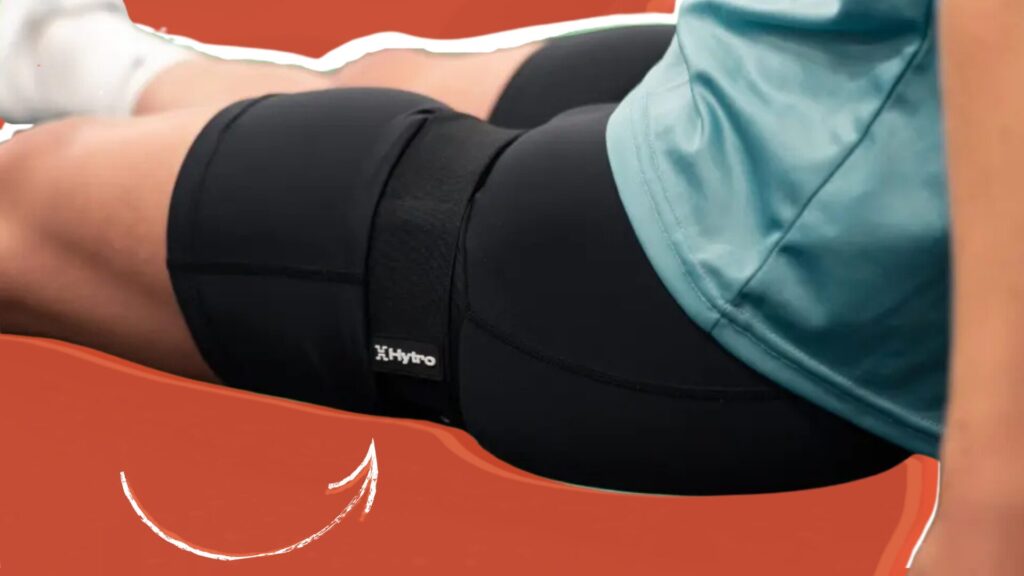
Second, any training or recovery programme is only effective if the players engage with the content. With BFR, safety is a recurring player concern, particularly around the level of pressure — and, therefore, blood flow restriction — applied by the garments. For Hytro BFR garments, the arterial occlusion pressure (AOP) at the maximum setting of correctly sized shorts falls within the optimal 40-80% AOP range for combining BFR with resistance exercise [7, 8].
When working with players who haven’t experienced BFR, take them through a familiarisation phase at lower occlusion pressures to confirm the correct sizing and minimise the possibility of excessive symptoms. Subtle changes in skin colour are common, as are some discomfort, bruising, or tingling. During this introduction, we closely supervised players while progressing incrementally to the maximum occlusion setting in bouts of 5 minutes of BFR after six consecutive training sessions.
The most effective recovery methods are those readily available for us to deliver consistently in our environment. We encourage our players to choose from a recovery menu, which includes a Wattbike flush, hydrotherapy, foam rolling, and massage. Obviously, some of these methods are a luxury that teams may not be able to access. Recovery BFR is an affordable and efficient solution for the challenge of delivering recovery strategies to large groups of athletes. BFR’s analgesic effect is a significant upside of immediate BFR exposure after competition, helping athletes feel better prepared for the next training session or match.
Tweet ThisWe encourage our players to choose from a recovery menu, which includes a Wattbike flush, hydrotherapy, foam rolling, and massage. Recovery BFR is an affordable and efficient solution for the challenge of delivering recovery strategies to large groups of athletes.
@JackInstrall
Trying something new with BFR
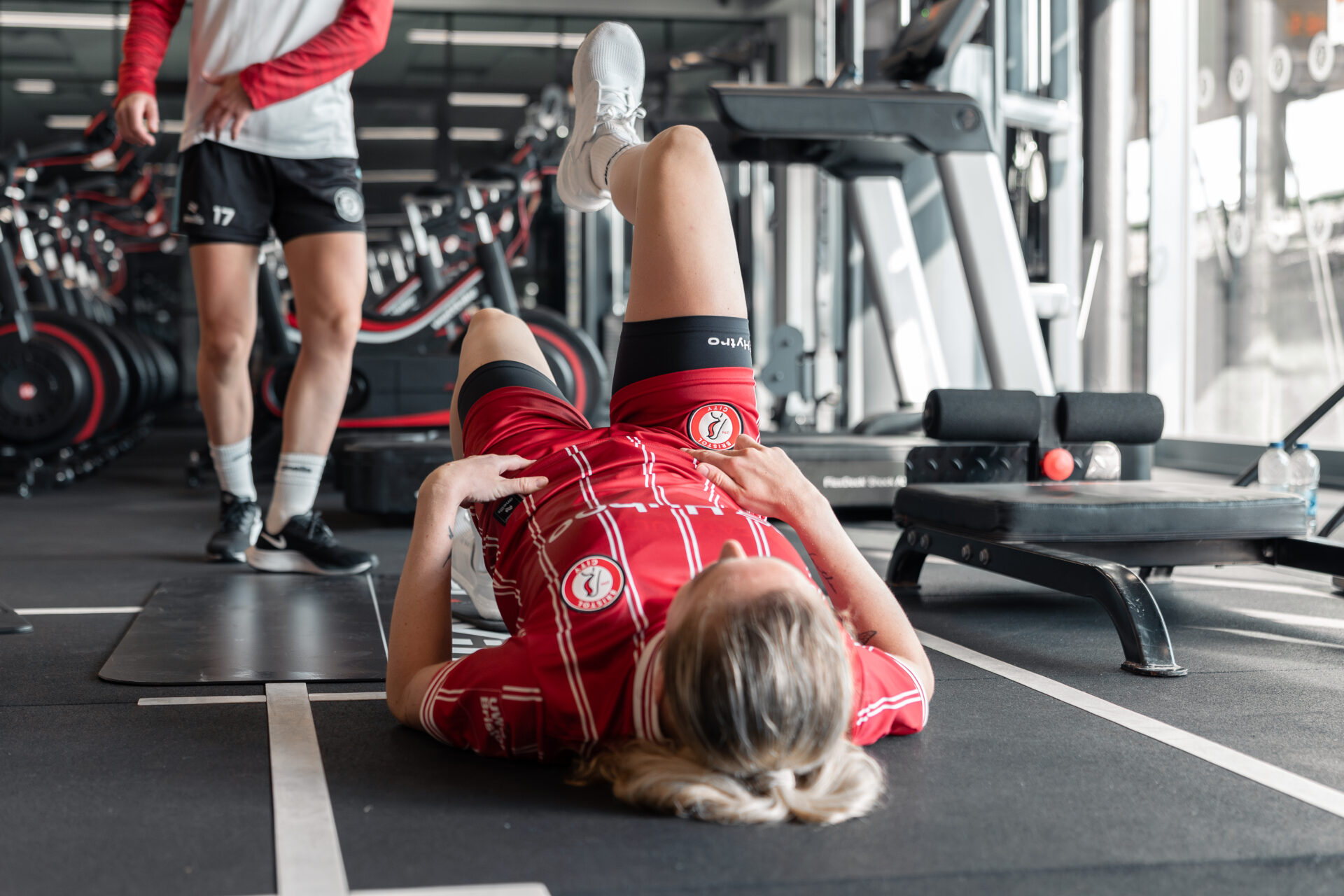
After familiarising our players, our recovery protocol had them use the Hytro BFR shorts immediately, i.e., within 1 hour of the final whistle, post-match (passive recovery) and during a Wattbike flush on MD+2 (active recovery).
Using a matched pairs, crossover design, players were allocated to either the BFR (maximum setting on the Hytro shorts: ~180mmHg, or ~70% LOP) or control group (~60mmHg, or <20% LOP).
For the passive post-match intervention, we prescribed three rounds of 5 minutes of occlusion interspersed with 2 minutes unstrapped reperfusion, mirroring a successful recovery BFR protocol from professional rugby union. The active intervention using Wattbikes on MD+2 included three rounds of 3 minutes occlusion and a 1 minute reperfusion.
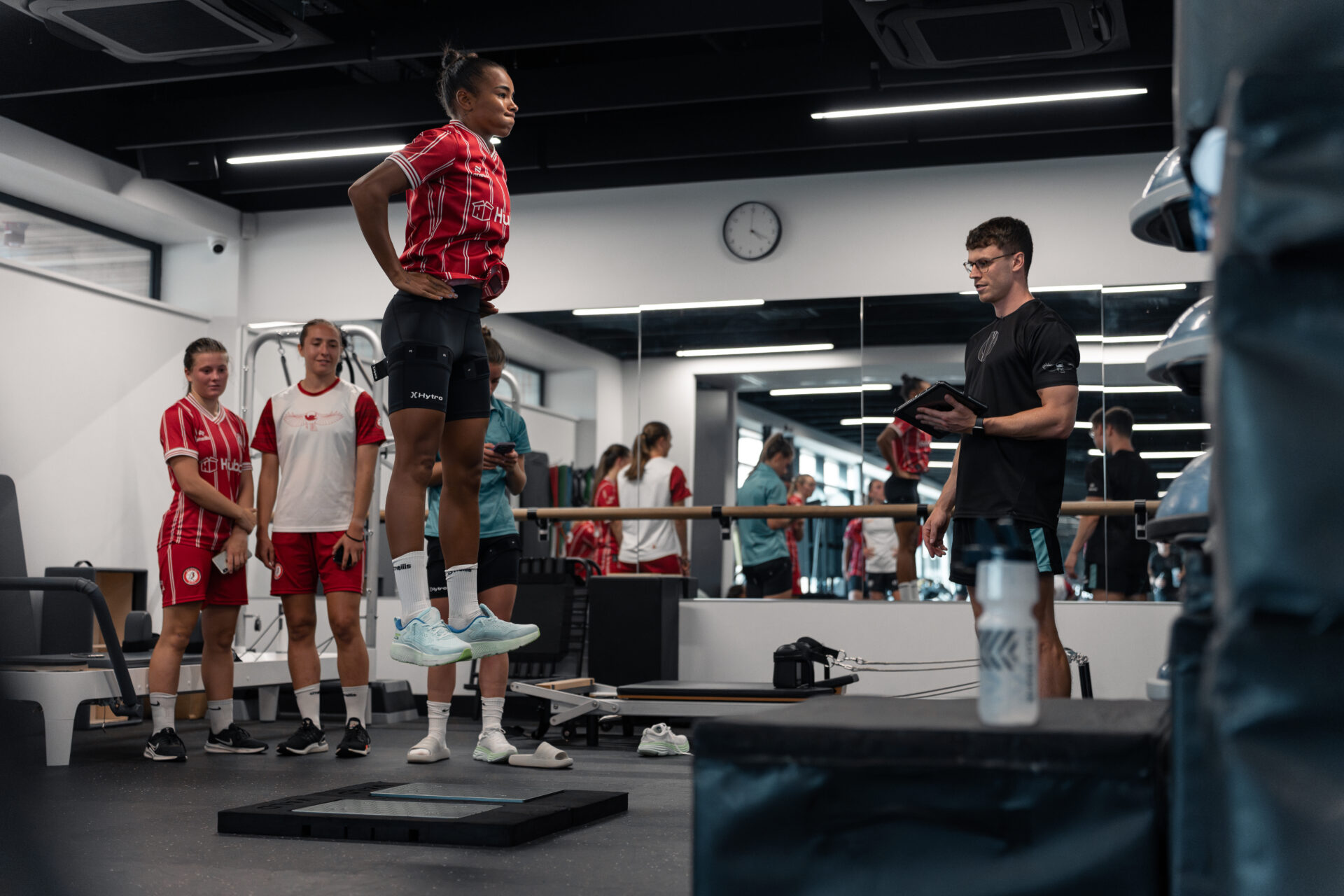
We collected data using a wellness questionnaire and CMJ monitoring pre- and post-match and post-intervention. On MD+2, the questionnaire and CMJ monitoring were completed before and after the BFR Wattbike flush.

Tweet ThisOur recovery protocol had them use the Hytro BFR shorts immediately, i.e., within 1 hour of the final whistle, post-match (passive recovery) and during a Wattbike flush on MD+2 (active recovery).
@JackInstrall
To gain an accurate representation of the changes to each player’s neuromuscular status, we monitored CMJ data across five consecutive fixtures using the metrics we usually focus on when assessing readiness and long term adaptation. Maximum occlusion BFR appears to marginally accelerate recovery according to the jump performance variables.
As we would expect, maximum occlusion BFR had no immediate impact on CMJ performance post-match. However, maximum occlusion seems effective when applied passively post-match, as jump height improved in this condition within 48 hours of matches. The Wattbike flush potentiated greater jump height in both groups, but the improvement was greater in the maximum occlusion group. Those players returned to pre-match baseline measures.
Looking beyond jump height can reveal compensations in jump strategy, such as a slower countermovement, that can mask the presence of neuromuscular fatigue by producing a normal jump height. Administering maximum occlusion BFR post-match returned contraction time to baseline on MD+2. The control group needed more time to take off, implying BFR helped athletes recover faster. Contraction time was equal between groups after the Wattbike flush, but contraction time remained slower than baseline for the control group.
The players’ physical responses to BFR were encouraging. But the power of BFR as a recovery tool shined through from the subjective data, where there were significant outcomes linked to players’ perceptions of recovery.
Readiness to perform questionnaires are a common way to assess recovery. Maintaining engagement with this process relies on practitioners following up on abnormal reporting.
Players reported significantly reduced muscle soreness, joint pain, and perceptions of fatigue both from the post-match intervention and within 48 hours of the match. This is an important finding because professional footballers are typically in a constant state of fatigue. If we can use BFR to facilitate feelings of freshness, players will feel better prepared for the next training session or match.

Tweet ThisPlayers reported significantly reduced muscle soreness, joint pain, and perceptions of fatigue both from the post-match intervention and within 48 hours of the match.
@JackInstrall
Integrating BFR into the recovery menu
Letting the players select their preferred methods of recovery can maximize the benefit of recovery days, simply through the psychological effects of autonomy and trust. The efficiency of BFR and seamless integration with other recovery modalities enhances athlete buy-in. Most of players are continuing to choose BFR as their recovery protocol, so we continue implementing the protocol we prescribed during the research project (Figure 3). We are even having players ask if they can take the shorts away for international duty.

Educating athletes of best practice recovery is critical if we are to expect them to perform well after short turnarounds. This is a particular advantage for practitioners with limited recovery resources in their environment. For example, our players complete their passive BFR immediately after a home game while they are having food provided in the changing room. If we’re playing an away game, we complete the protocol on the bus while returning home.
Another way to further simplify the process is printing players’ shirt numbers inside the waist band of their Hytro shorts. This removed the burden on players after a game by putting the shorts next to their kit in the changing room. Distributing and starting the BFR protocol quickly became an unsupervised process, giving us time to prioritise other tasks such as top-up runs for the substitutes.
BFR is a powerful tool for recovery in combination with or in place of other recovery modalities. Understanding the benefit of active BFR on MD+2 has improved the rate of recovery amongst the majority of our players, and better prepared the group for training or the next match after a short turnaround.
However, when we view BFR from the players’ perspectives, we see mixed responses. Practitioners have to realise that any modality may not work for every player, physically or psychologically. Therefore, we should avoid making it a compulsory part of our recovery process. Instead, continue to allocate recovery windows where players choose their own methods based on our recommendations.
Tweet ThisBFR is a powerful tool for recovery in combination with or in place of other recovery modalities. Understanding the benefit of active BFR on MD+2 has improved the rate of recovery amongst the majority of our players.
@JackInstrall
Autonomy is a potent factor for recovery and buy-in
Feedback from the players has been mostly positive. In addition to the familiarisation phase, Hytro delivered a BFR educational workshop to the players, who recognized the opportunity to take part in real world research and gain a potential advantage in their recovery. Players who confirmed they would continue using BFR after a match stated that they felt a benefit the following day due to the perception of their legs feeling “lighter with more freshness.”
Despite the group data from our study displaying improved subjective scores following maximum setting BFR, not every player found BFR convenient and effective.
Several individuals reported no improvements in perceived fatigue and soreness. Most players continued to use the Hytro shorts post-match throughout the season, but we noticed a drop off in the number of players wearing the shorts during the bike flush on MD+2. The main reason they reported was the slight discomfort they experienced on the Wattbike when strapping the shorts to maximum setting.
Another potential reason is that some players feel almost normal, i.e., fully recovered, by MD+2. They don’t experience any severe state of fatigue after a game, so perhaps they may have a lower perceived need for recovery tools.
This makes sense in the context of individual recovery timelines: those players who tend to take longer to recover were the ones who opted to continue using BFR. Typically, this included the older players, those who accumulate the most match minutes and who have an injury history. The players who discontinued BFR were generally younger or felt better recovered using methods they are more familiar with.
When we began the current season, we expanded our recovery framework to provide solutions that support the different needs amongst the group. Taking inspiration from the S.H.I.T recovery framework produced by Peter Tierney, we came up with our own framework using the abbreviation of ROBIN to represent the club badge (Figure 4). We set up this framework using the information we gathered from daily wellness reporting and feedback from players to encourage more consistent recovery habits. The core principles were supporting their individual preferences and giving them the opportunity to design their own recovery programme.
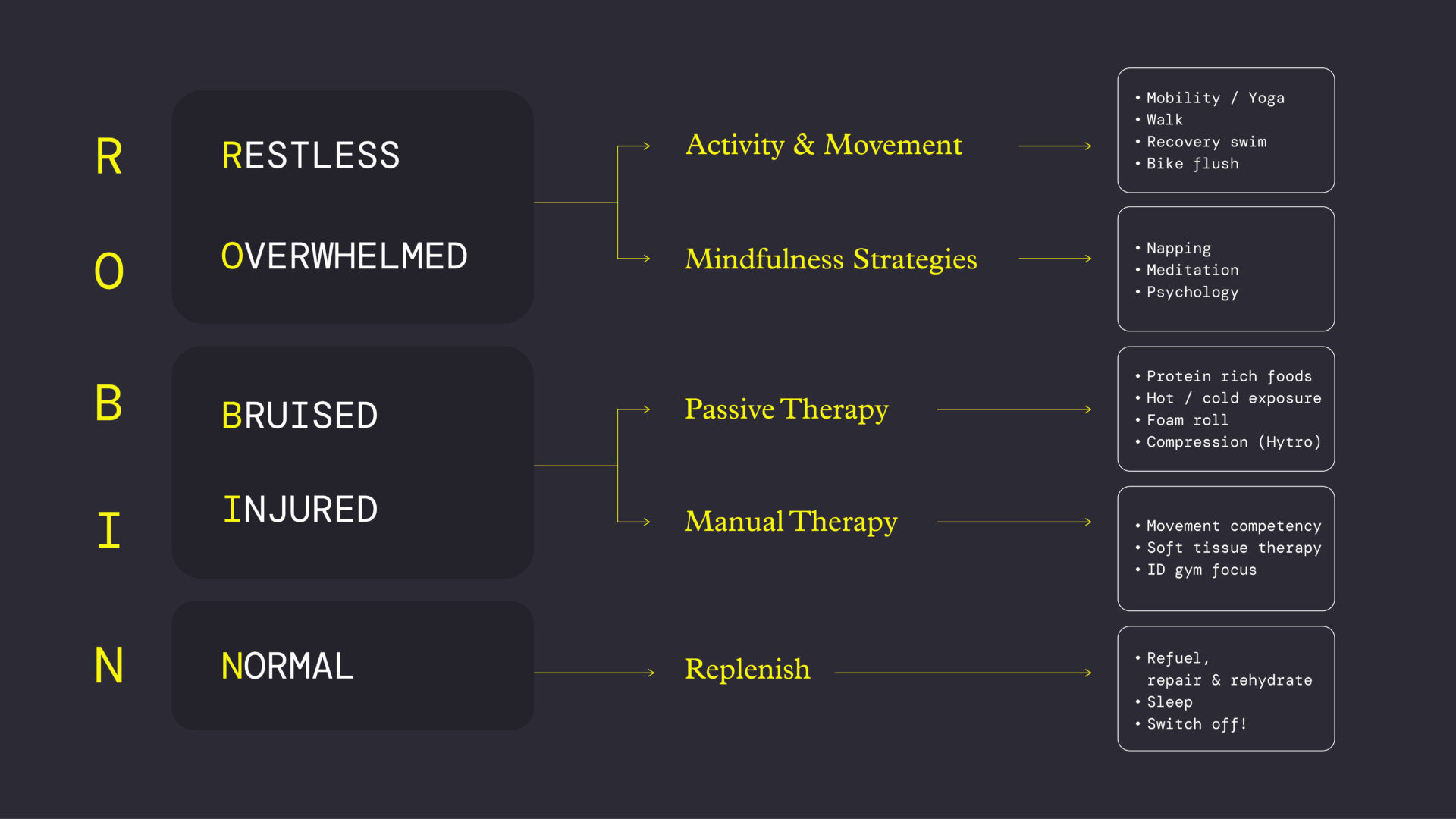
Allowing players to select their own recovery methods has improved the engagement with recovery processes in what is a predominantly young group of athletes. The consistent application from players is due to the player-led recovery environment we have established based on talking to players and working towards their needs.
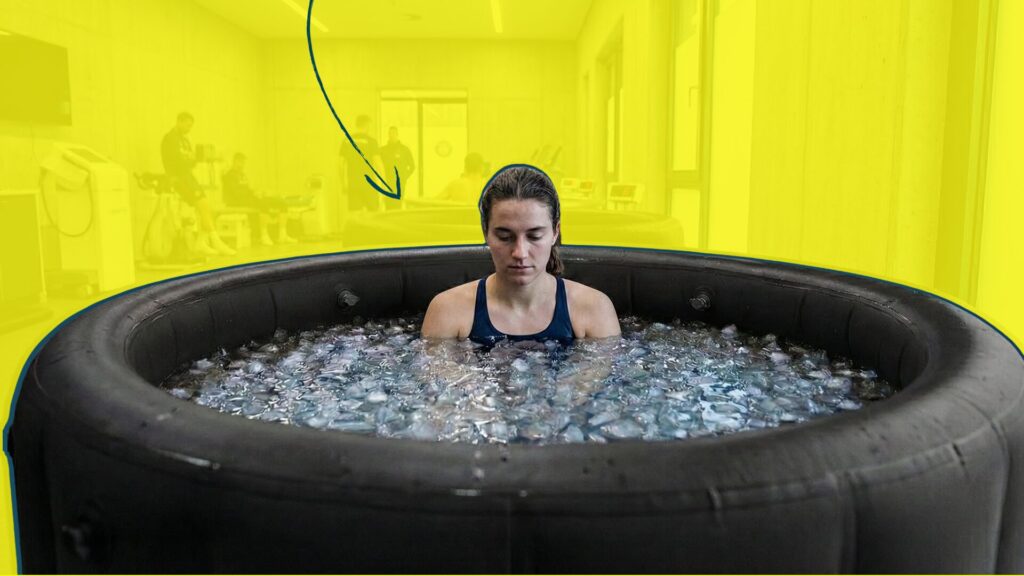
Once the arrangements were in place, we found that players are drawn in by the psycho-social aspects of recovery. BFR is one example of a method that is performed as a group. Given this autonomy in our environment, players have the flexibility to opt for BFR in place of other methods, which has helped us steer players away from following the crowd into daily ice baths!
The outcomes from our project offer particularly valuable insight for practitioners working in women’s football. The demands of the game are rapidly increasing and schedules are becoming more congested. BFR has become a favourable recovery tool for most players in our environment where efficient recovery is necessary to enhance preparation for the next training session or match. With the support of Hytro, we have engaged the team by coupling the protocol with existing recovery processes throughout the recovery window.
Once you provide the education and opportunities for recovery, players can make better decisions, and you will have a fresher group who feel well prepared to dominate the demands of frequent competition.
Tweet ThisBFR has become a favourable recovery tool for most players in our environment where efficient recovery is necessary to enhance preparation for the next training session or match.
@JackInstrall