

In 2025, Sportsmith published more than 100 articles, read by more than 500,000 practitioners across performance sport.
This page brings together summaries of the ten most read articles released this year. Each addressed practical challenges in performance, rehabilitation, and return to play, and resonated widely because of their clarity, relevance, and evidence-informed approach.
Together, they offer a snapshot of the ideas that most influenced practice across the Sportsmith community in 2025.
Article Directory
- Reconditioning after hamstring injuries: Building back to sprints || Justin Richardson
- Non-surgical rehab and outcomes for complete hamstring tendon tears || Fearghal Kerin
- Programming guidelines for reflexive eccentrics || Anthony Donskov
- Using anaerobic speed reserve to profile players and individualize training || Carmen Colomer
- Rehabbing a pro footballer’s hamstring intramuscular tendon injury || Patrick Proller
- The science of building player capacity and reducing injuries during pre season || João Francisco Almeida
- What we need to know about foot-ankle rehab in 2025: Highlights from the International Ankle Symposium || Romain Tourillon, François Fourchet, Thomas Bernerd, Paul-Joseph Bouquillon, Alexis Lartigue & Fanny May-Santy
- Isometric hamstring testing in sport: Protocols, metrics, and practical application || Nicholas Ripley
- What are the 3 biggest misconceptions when it comes to speed training? || Tom Tombleson, Derek Hansen, Carlos del Barrio, JB Morin, James Wild & Cameron Josse
- No ankle sprain is just “a simple ankle sprain” || Fraser McKinney
#1 – Reconditioning after hamstring injuries: Building back to sprints || Justin Richardson
Summary
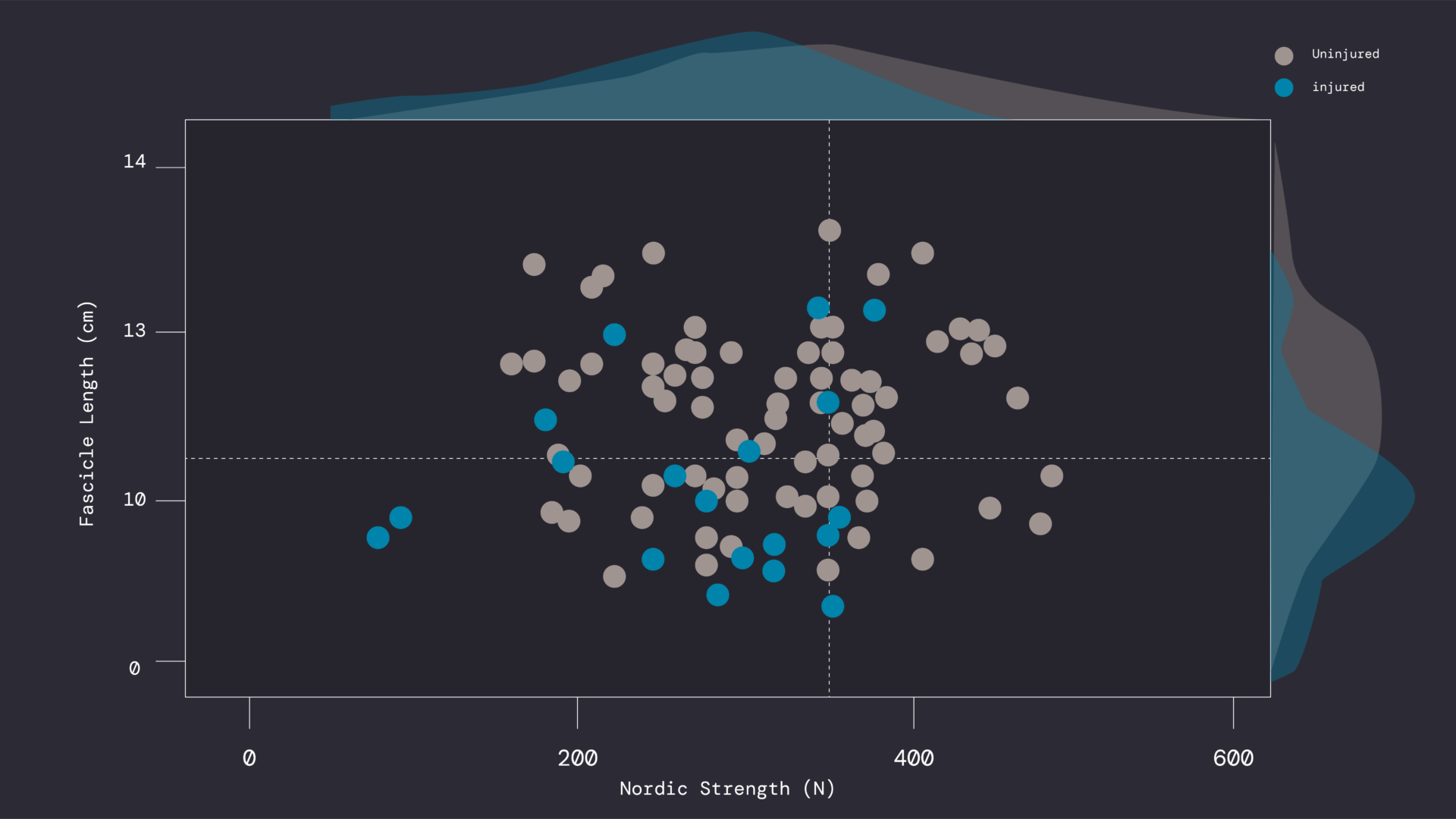
Hamstring rehab often fails not because athletes are weak, but because they are under-prepared for speed.
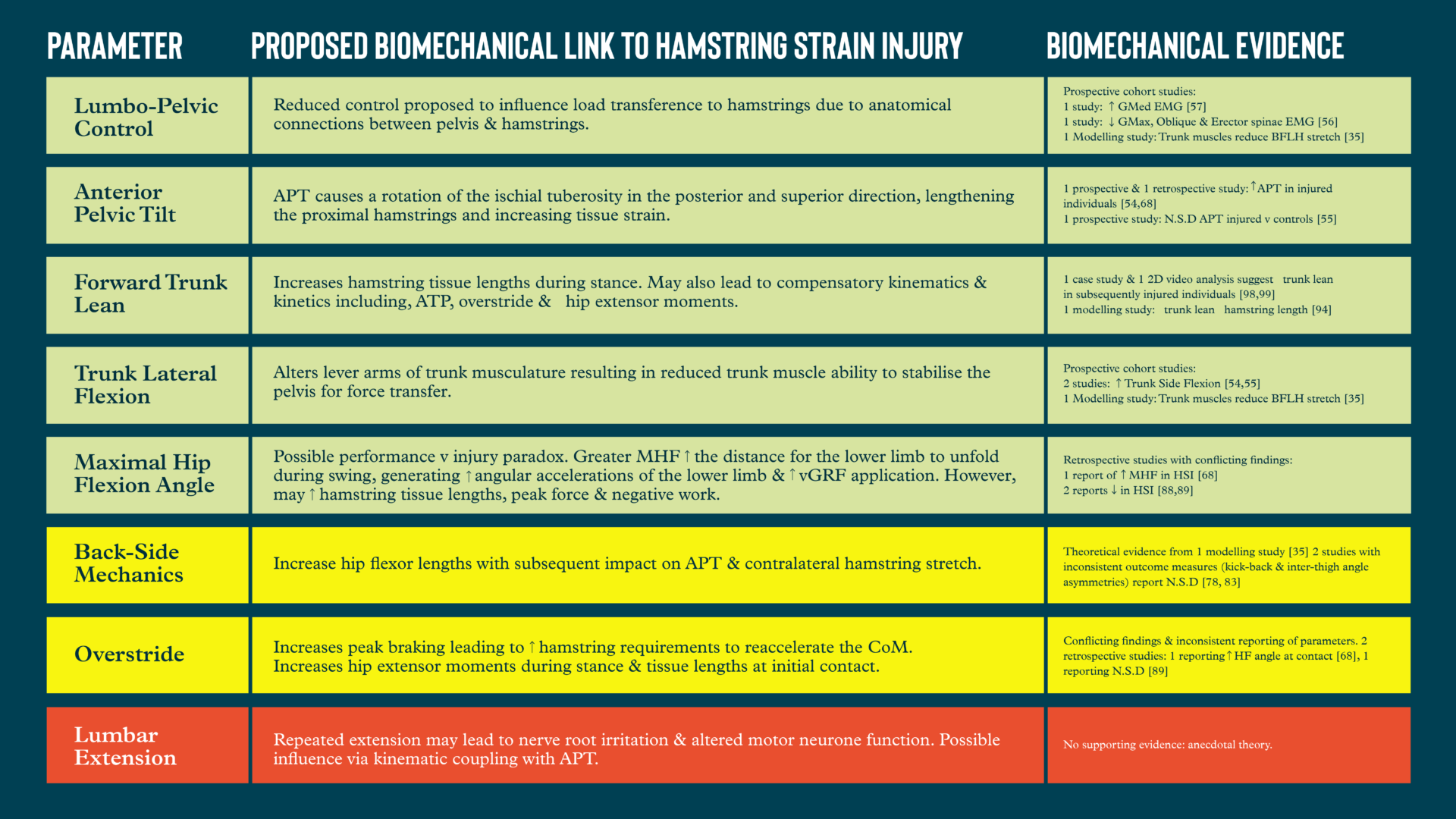
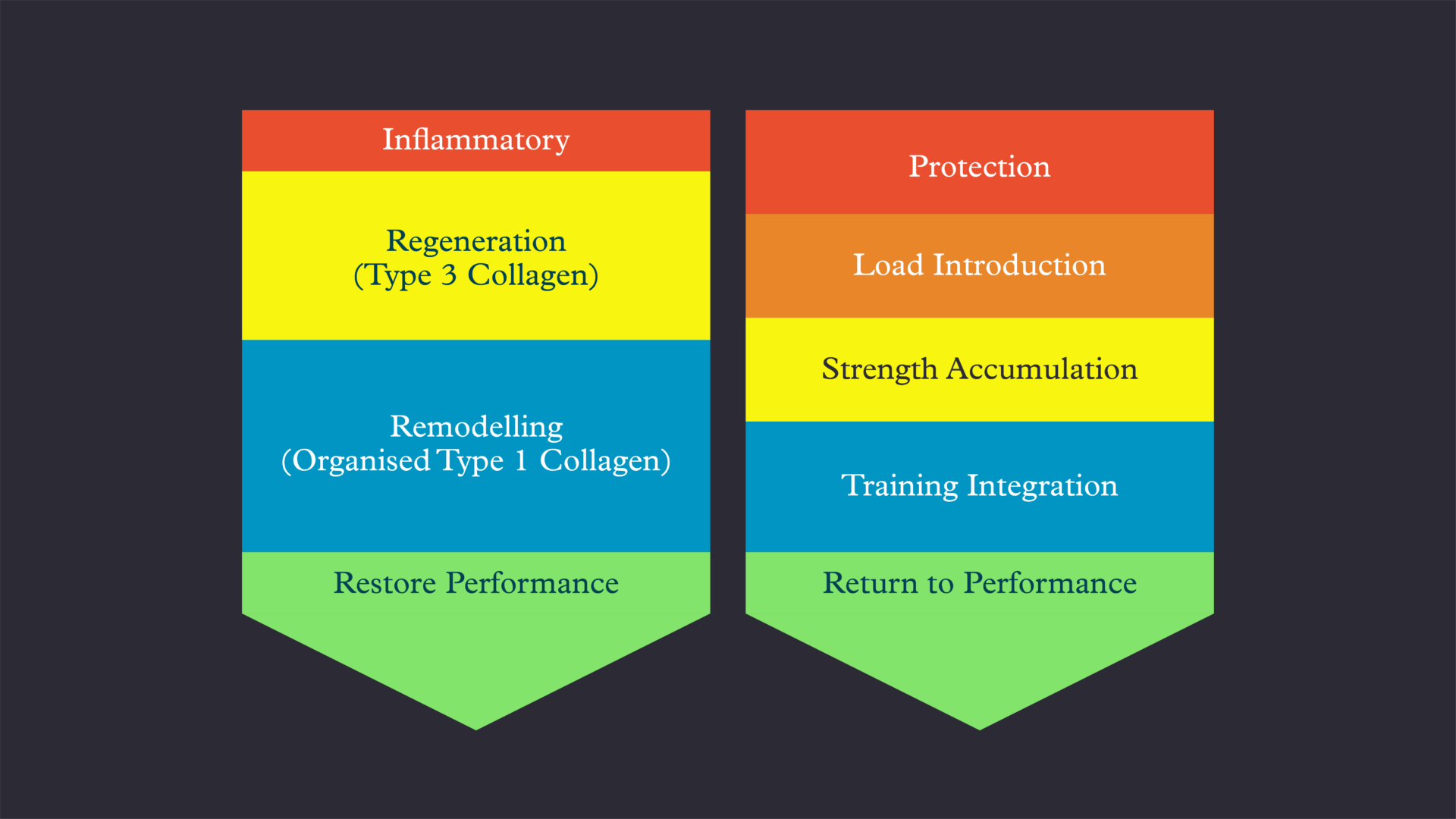
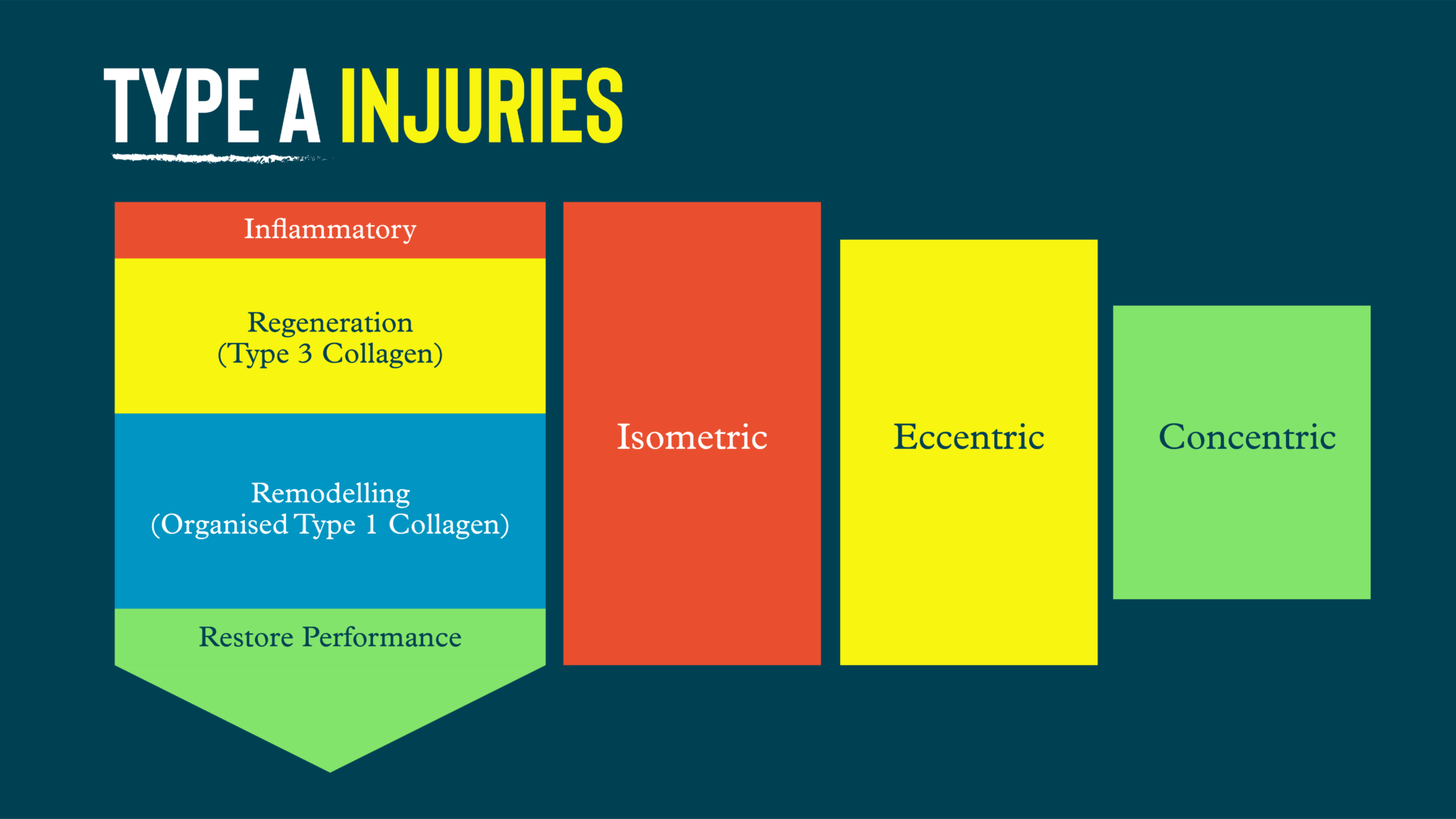
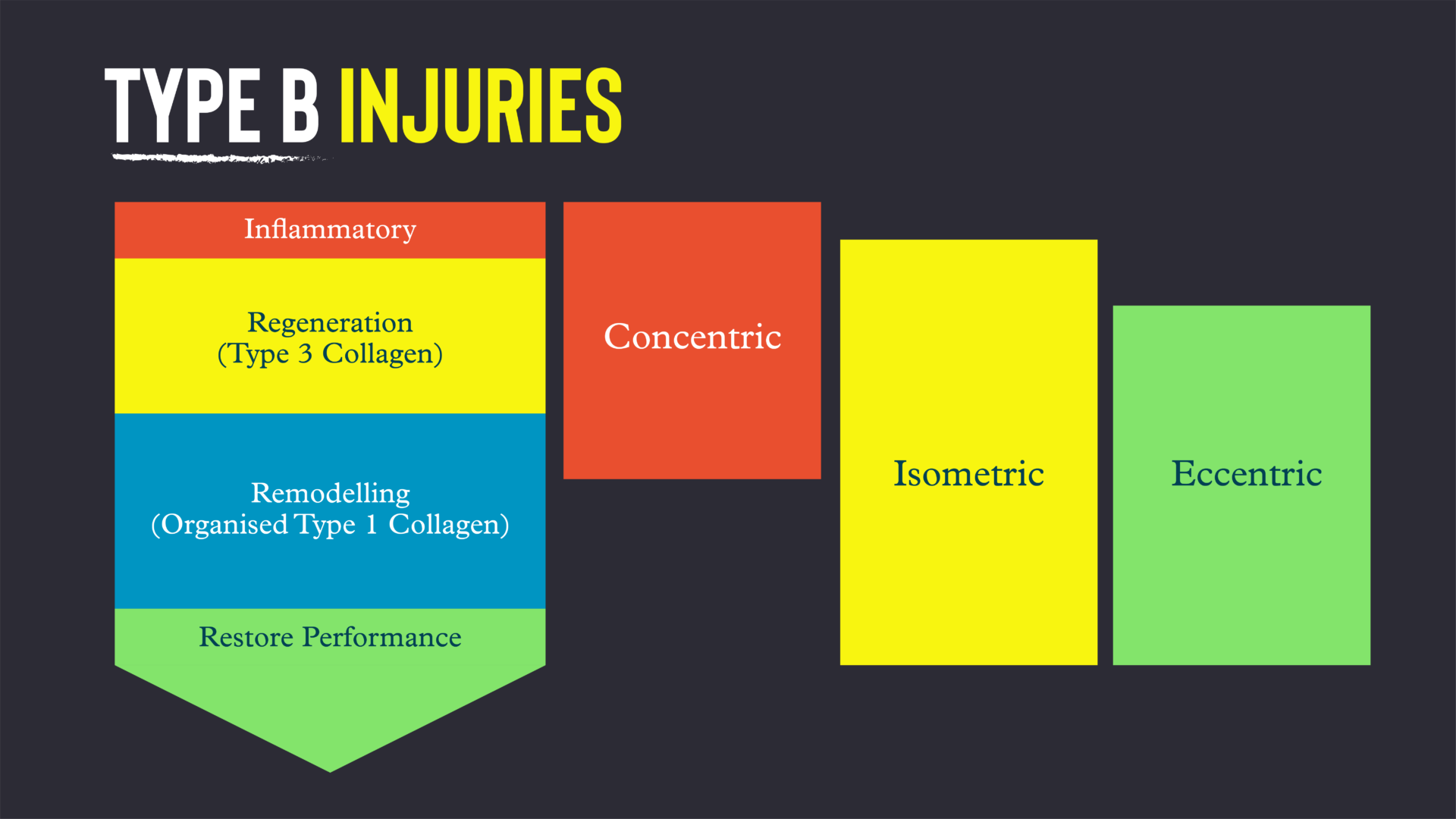
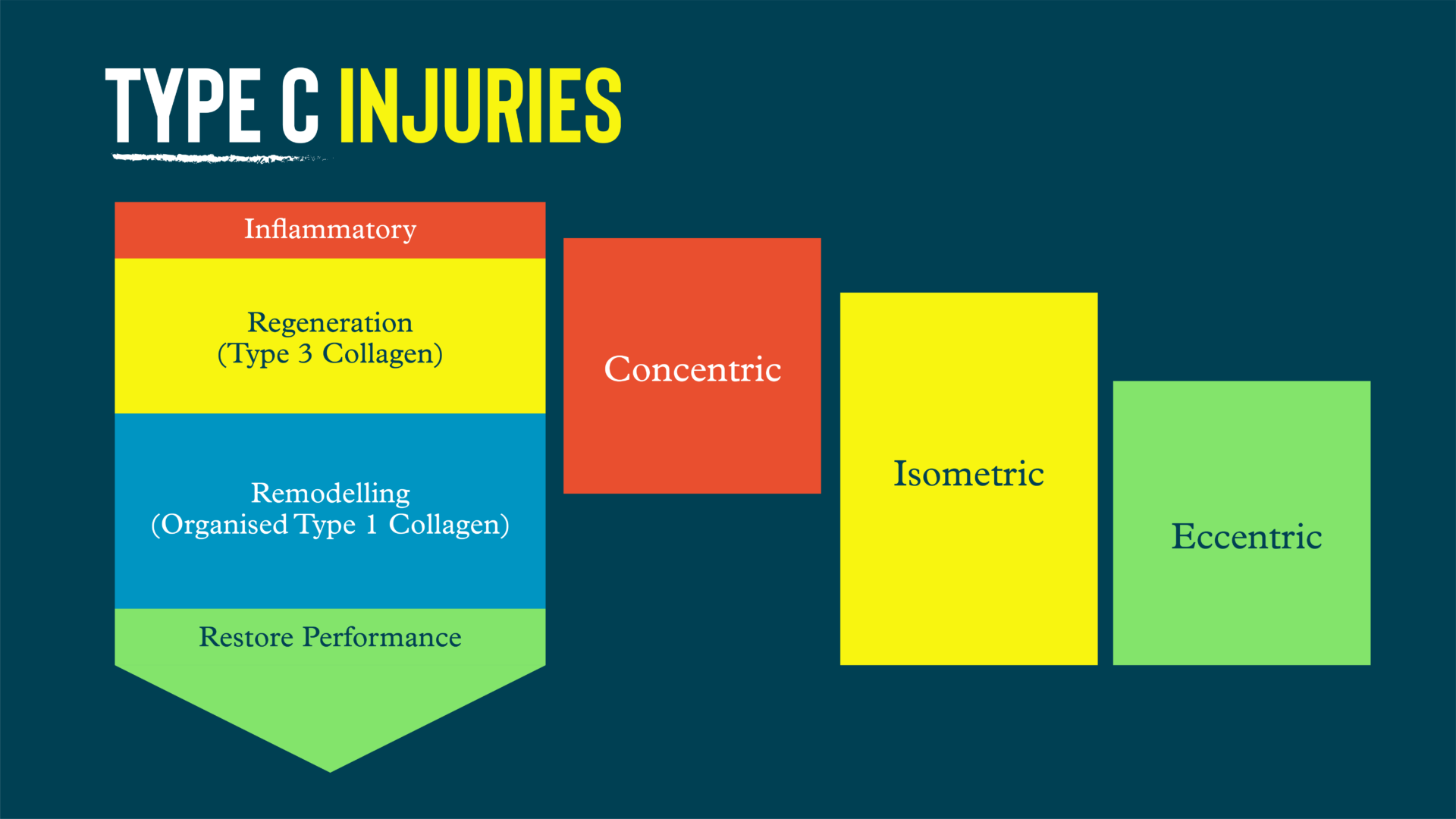
This article reframes high-grade hamstring strain injuries as a problem of diagnosis, load sequencing, and exposure rather than isolated strength deficits. It argues that without a clear understanding of injury location and tissue involvement, rehabilitation timelines and exercises quickly become guesswork. Intramuscular tendon injuries in particular demand a different approach, with longer protection phases and far more deliberate progression.
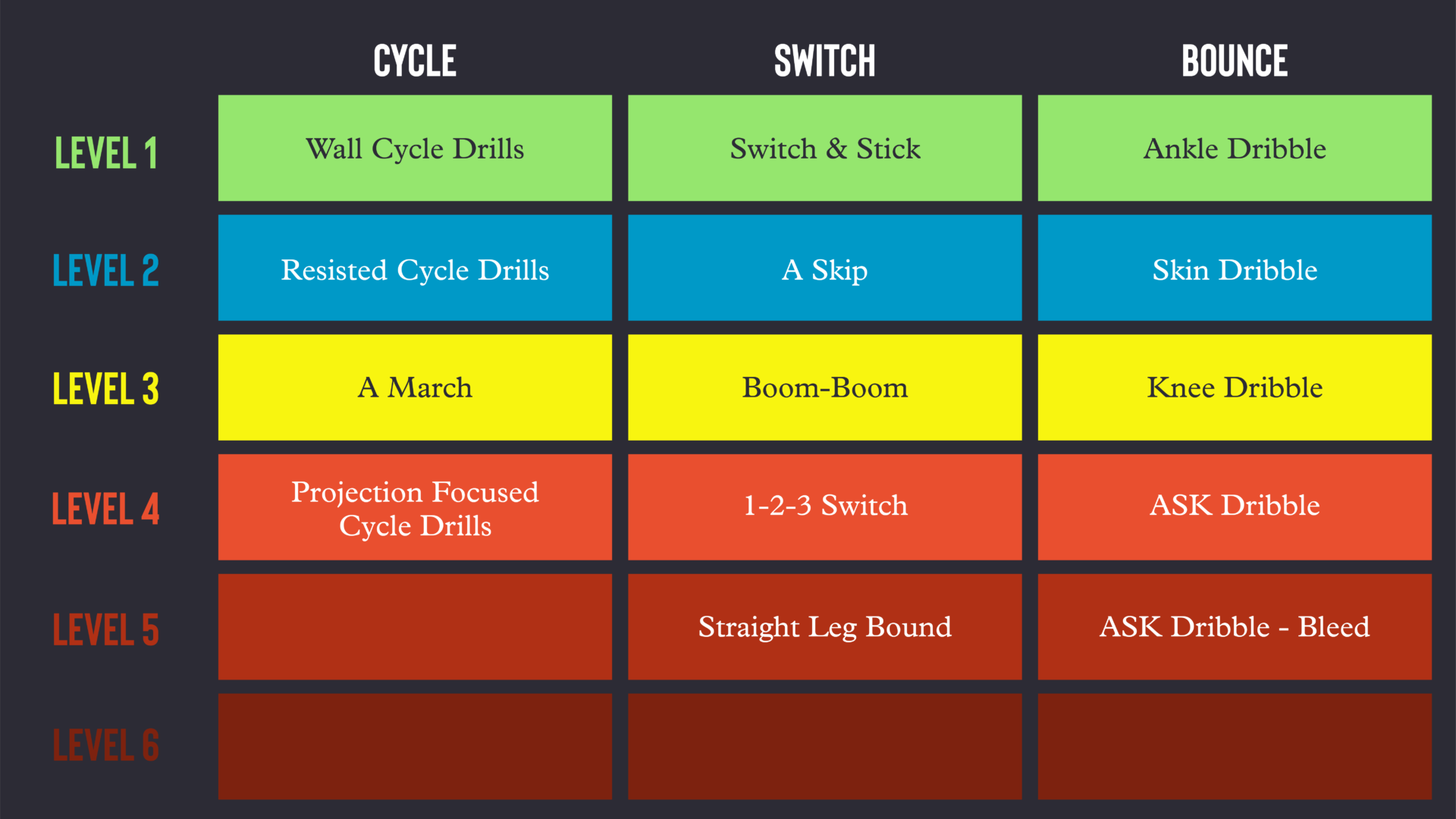
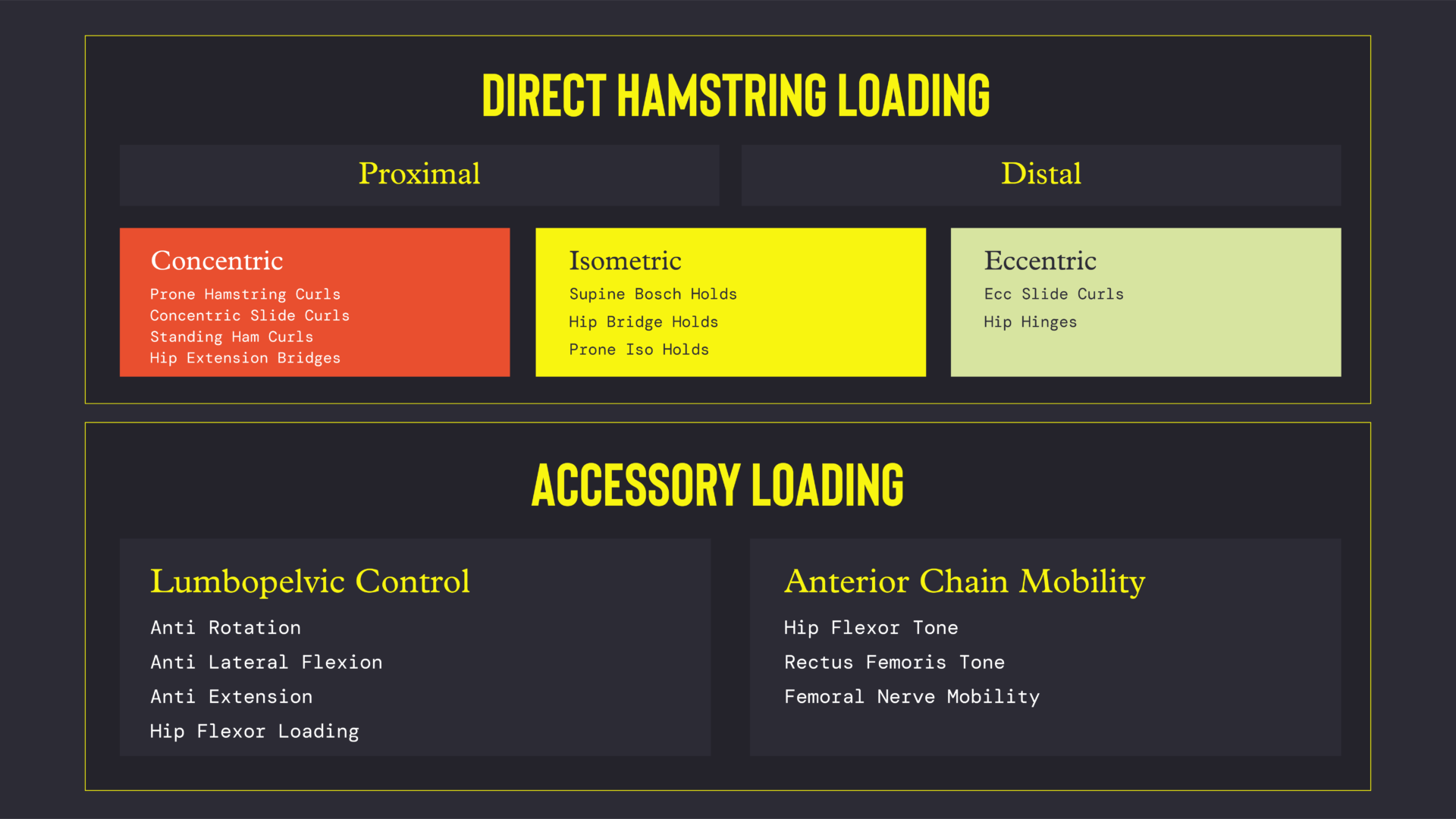
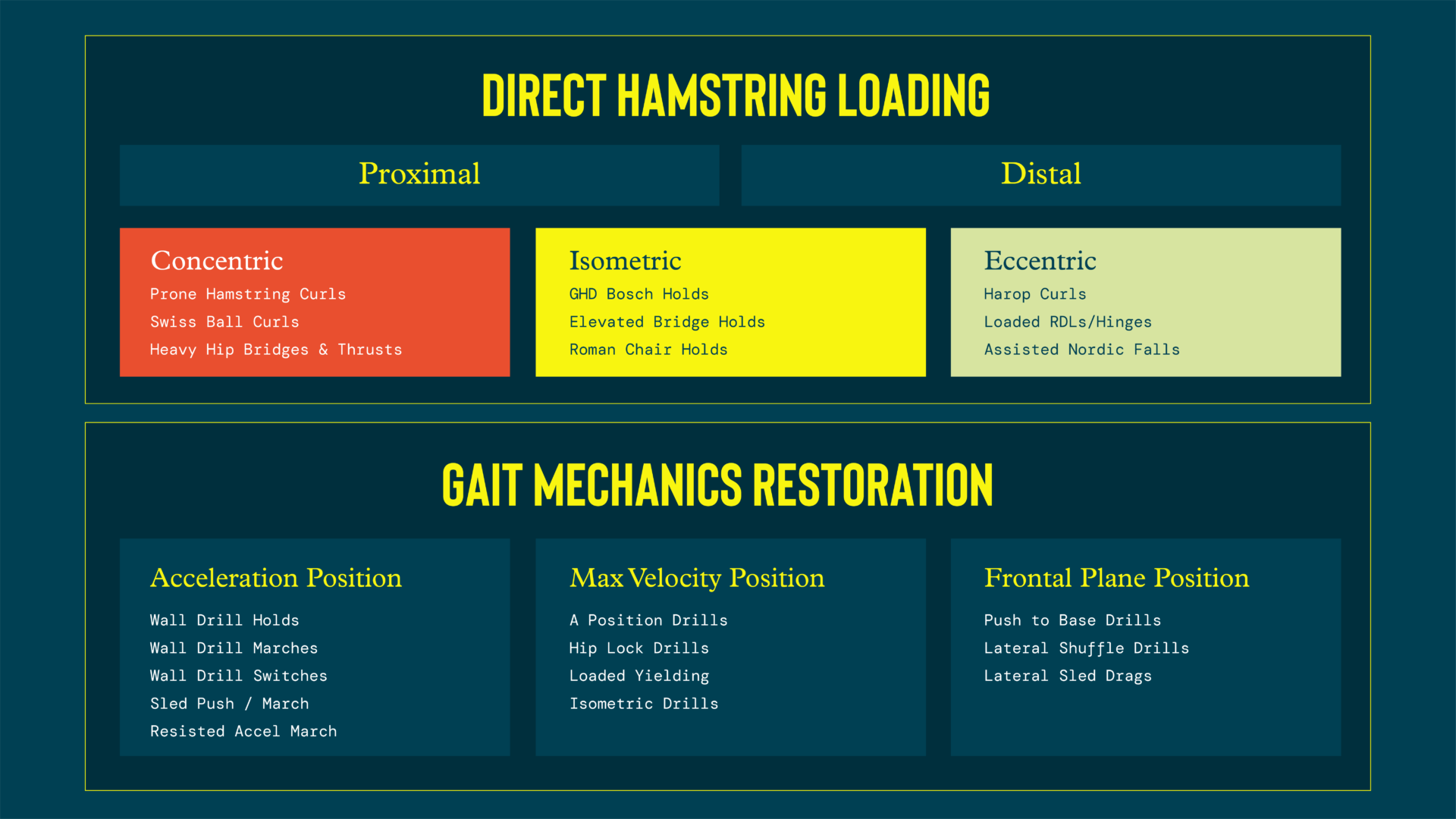
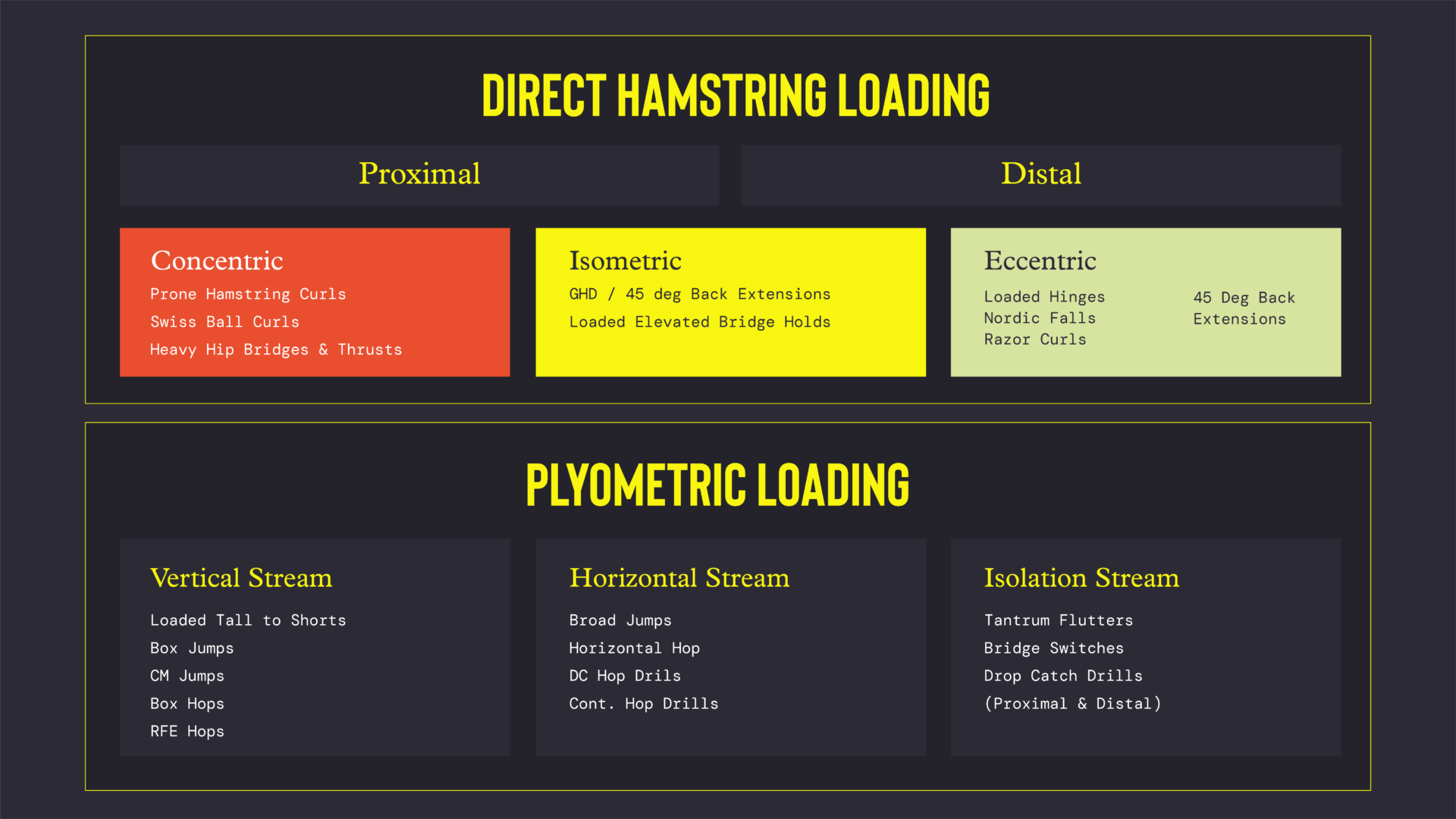
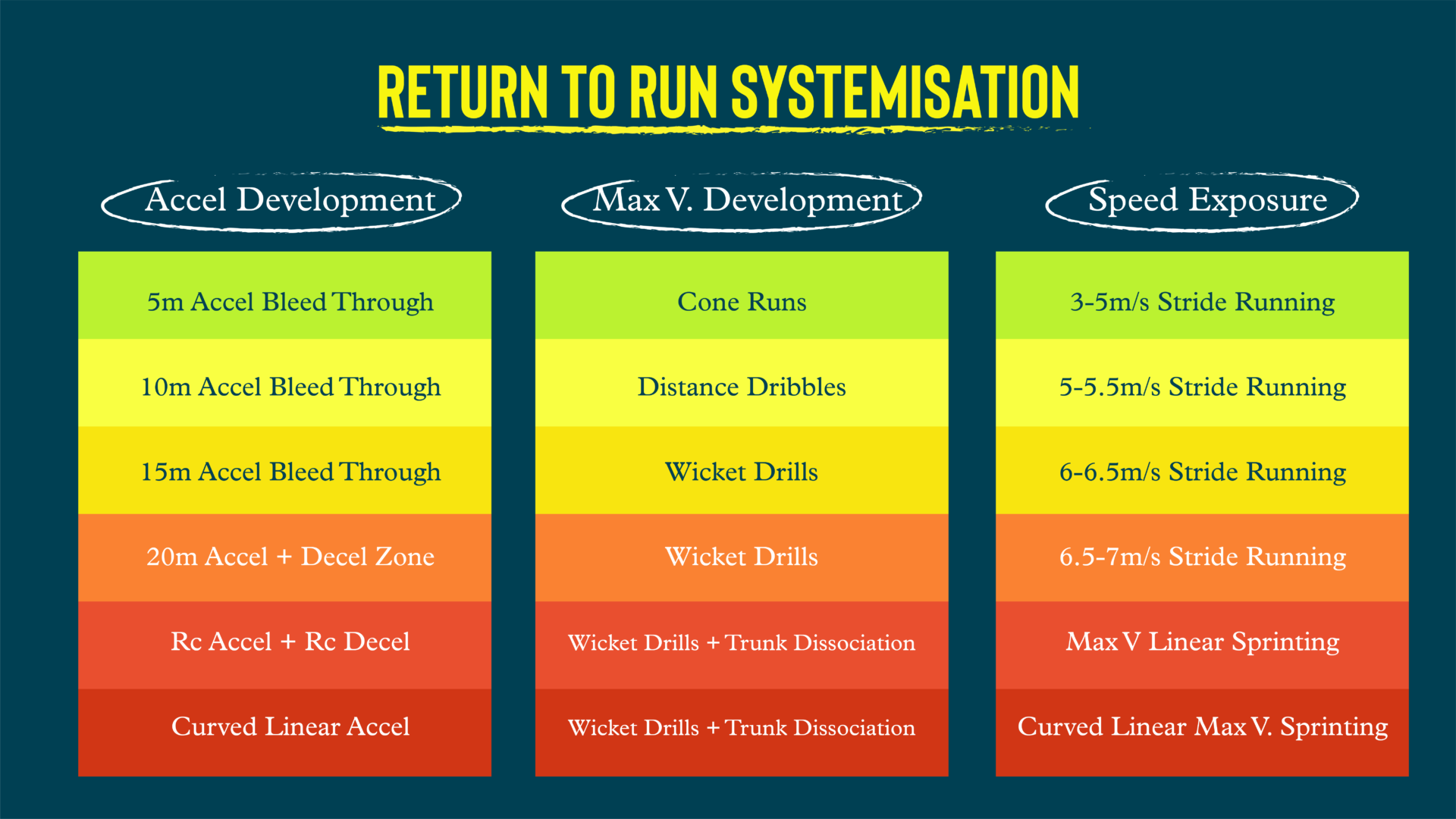
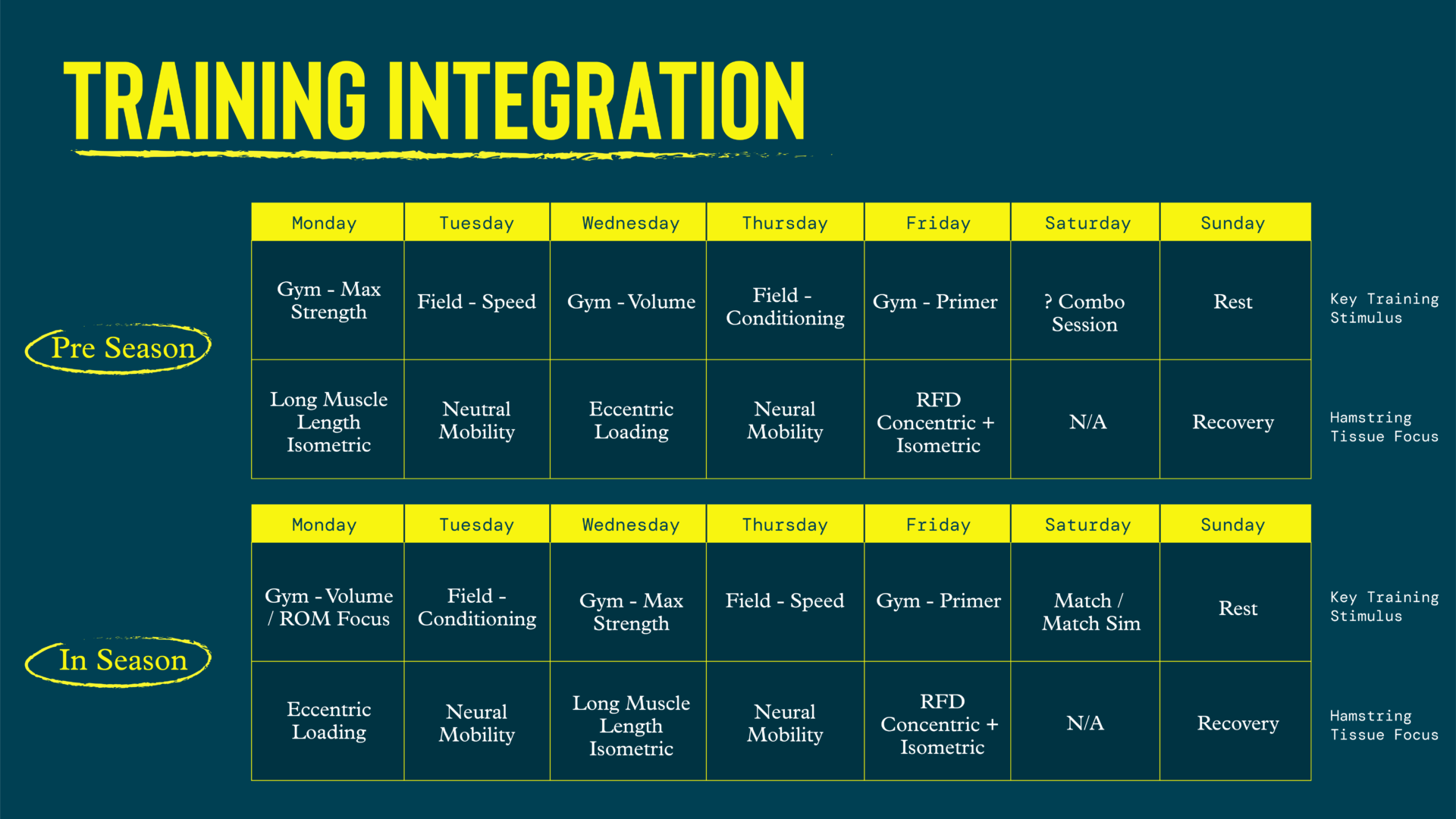
The framework moves beyond generic strengthening to show how isometrics, long-length eccentrics, trunk coordination, and foot-ankle stiffness must be developed alongside a carefully structured return to running. Sprint mechanics, speed tolerance, and weekly load organisation are treated as rehabilitation priorities, not end-stage add-ons.
The result is a practical model that prepares athletes for the real demands that caused the injury in the first place, not just a pain-free return to training.
Article figure gallery:
Key takeaways
- Many hamstring re-injuries occur because athletes return to speed without sufficient preparation, not because rehab lacked strength work.
- Injury location and connective tissue involvement should dictate both loading strategies and progression timelines.
- Isometric and eccentric strength are necessary, but likely insufficient without trunk control and foot-ankle stiffness.
- Return-to-run should prioritise controlled-speed exposure rather than simply accumulating running volume.
- Rehab must be planned backwards from the athlete’s full training and competition demands, not forwards from injury.
#2 – Non-surgical rehab and outcomes for complete hamstring tendon tears || Fearghal Kerin
Summary
Complete intramuscular hamstring tendon injuries (BAMIC 4c) sit at the edge of current rehabilitation knowledge. This article tackles that gap head-on, outlining how non-operative management can succeed when loading is applied deliberately, early, and in line with tendon biology.
Drawing on epidemiological data, clinical experience, and mechanobiological principles, it challenges the assumption that complete anatomical healing is required before return to play. Evidence shows many athletes return successfully despite persistent structural abnormalities on MRI, provided the tissue is exposed to the right stimulus at the right time.
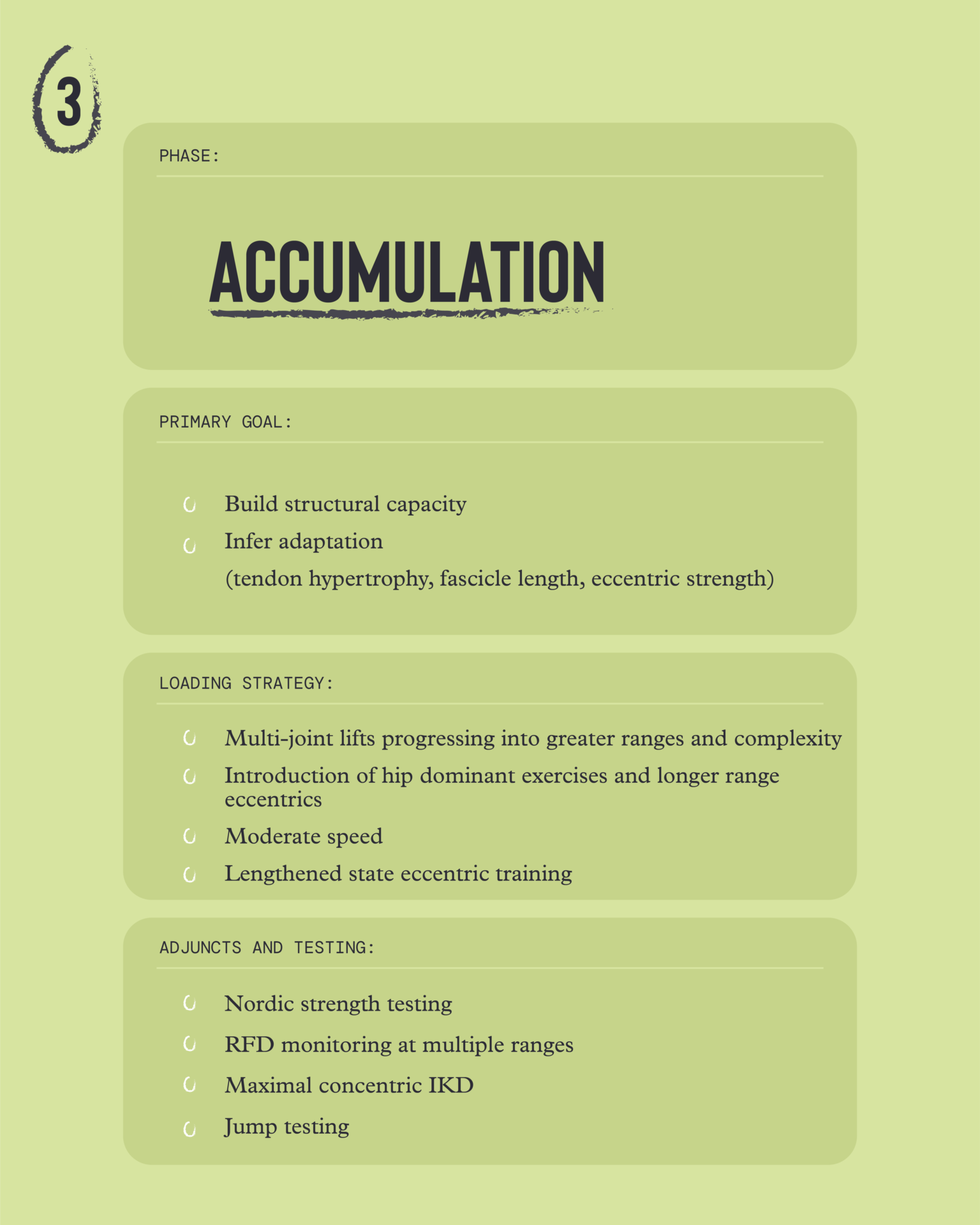
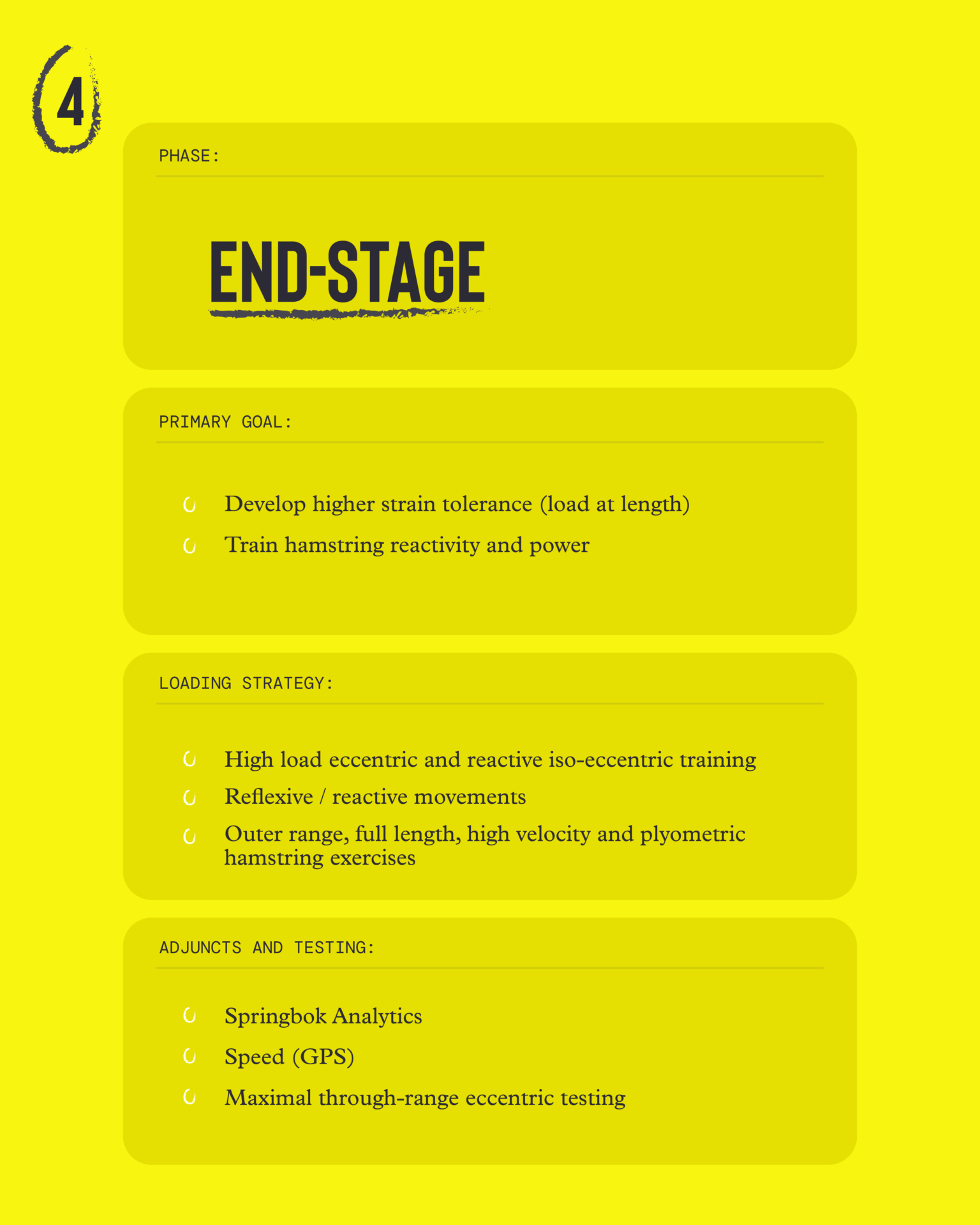
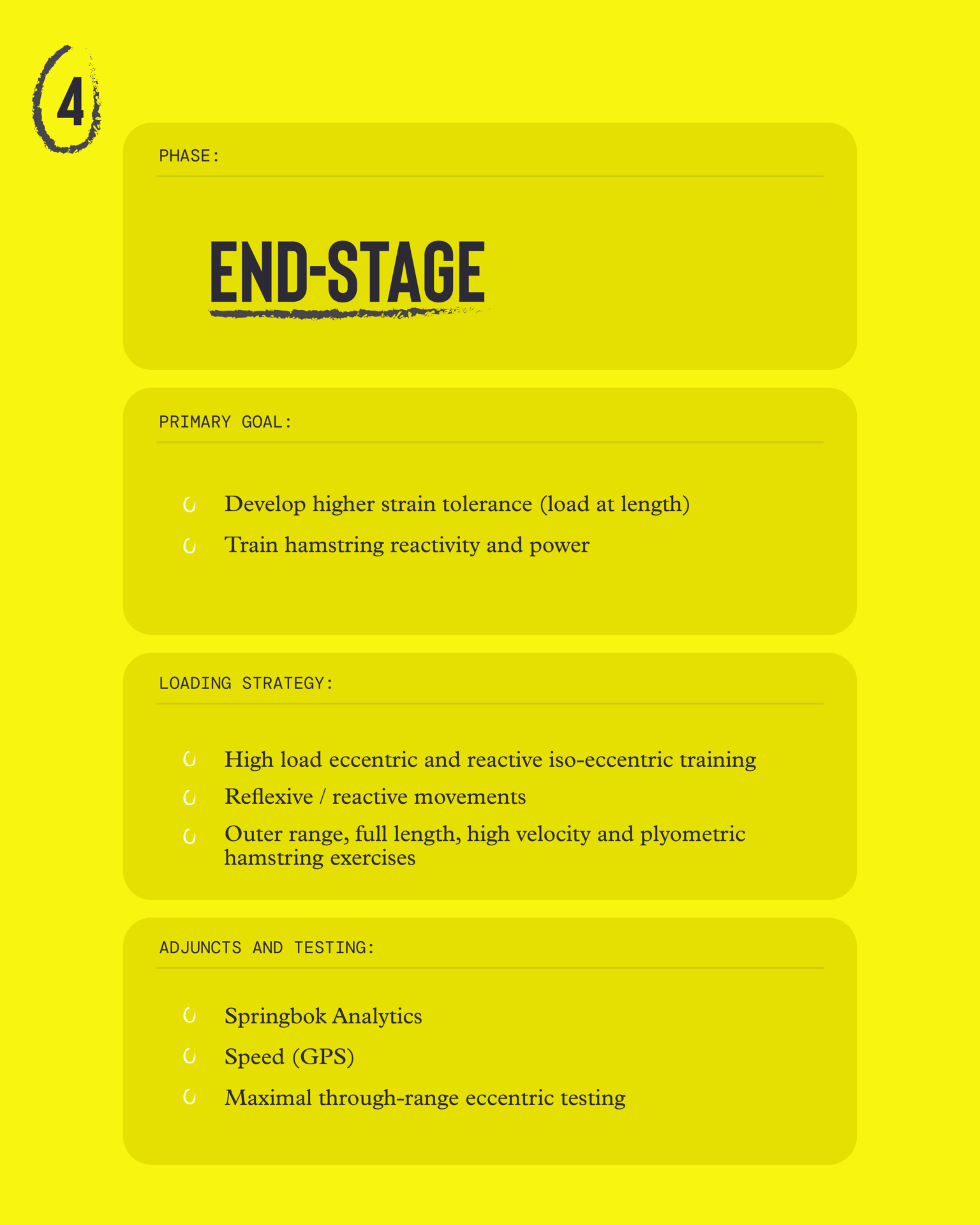
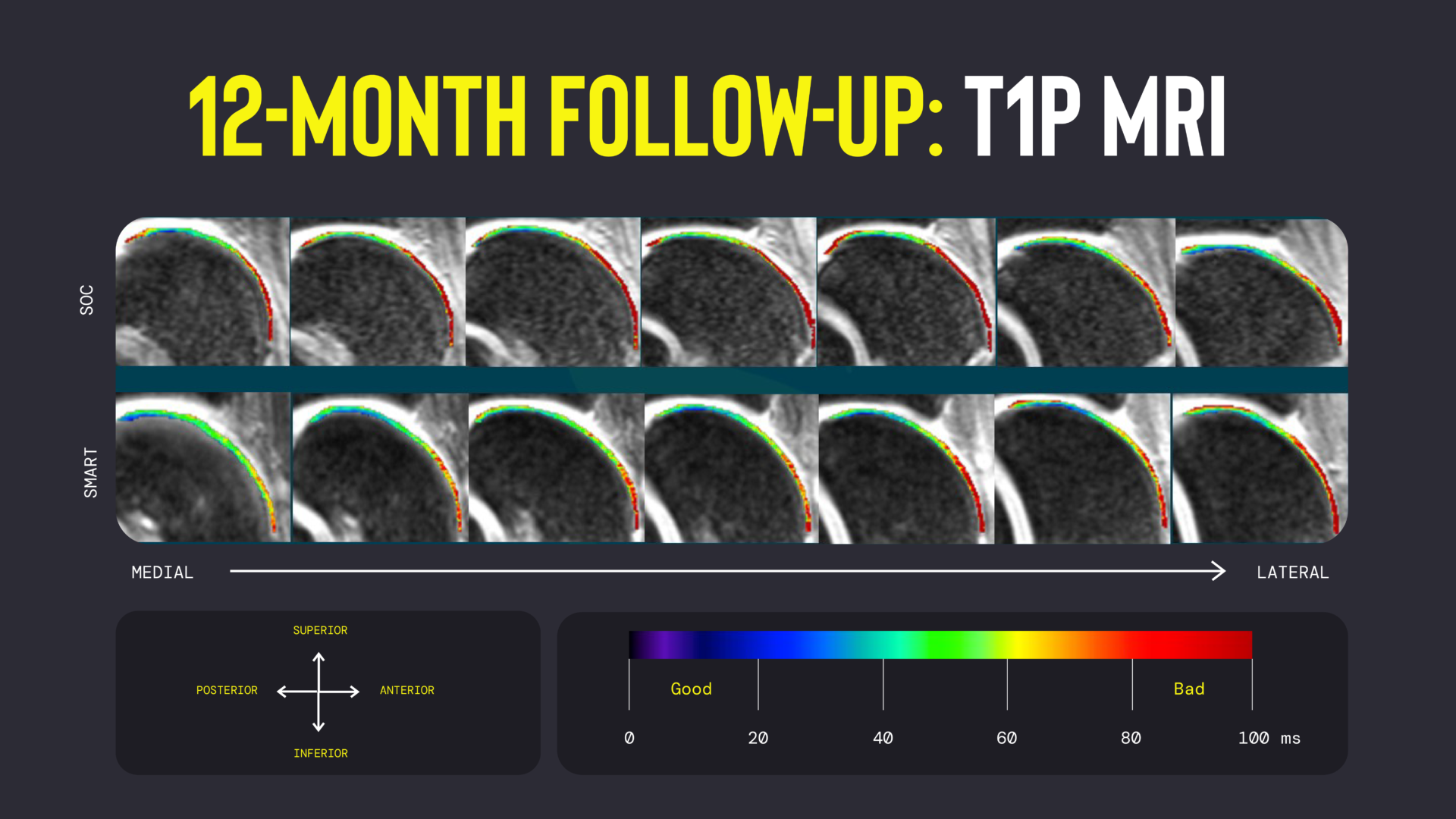
The article details how intramuscular tendon healing depends on frequent, low-load mechanical signalling to guide collagen alignment and scar organisation. Early offloading is framed as a missed opportunity rather than a protective strategy. Instead, carefully targeted mid-range isometrics, high load fidelity, and gradual progression toward lengthened eccentric work are presented as key drivers of successful outcomes.
Imaging is positioned as a tool to validate loading decisions rather than dictate timelines, helping practitioners assess whether tissue is responding constructively or stagnating. The piece culminates in a phased, structure-led rehabilitation framework that integrates tissue biology, neuromuscular control, and progressive exposure to high-strain demands.
Article figure gallery:

Key takeaways
- Complete intramuscular tendon injuries can recover successfully without surgery when loading is applied early and consistently.
- Anatomical normality on MRI is not a prerequisite for functional return to play.
- Early offloading may impair healing by removing critical mechanical signals needed for tendon remodelling.
- Mid-range isometrics provide a precise, tolerable load to guide early tissue organisation.
- Outer-range and hip-dominant eccentrics are essential later to restore strain tolerance and performance capacity.
- Imaging should be used to confirm whether loading is constructive, not to enforce rigid timelines.
#3 – Programming guidelines for reflexive eccentrics || Anthony Donskov
Summary
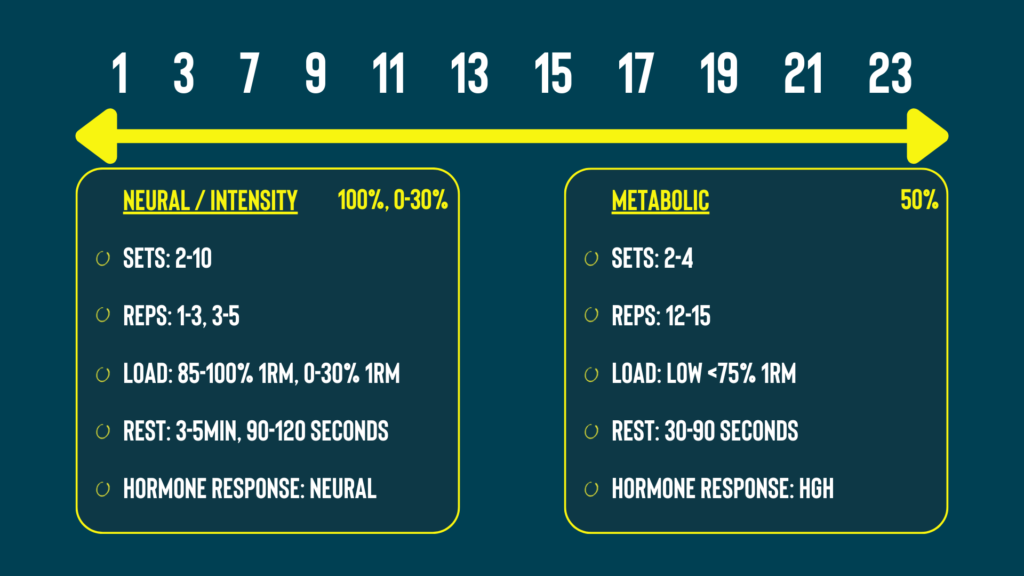
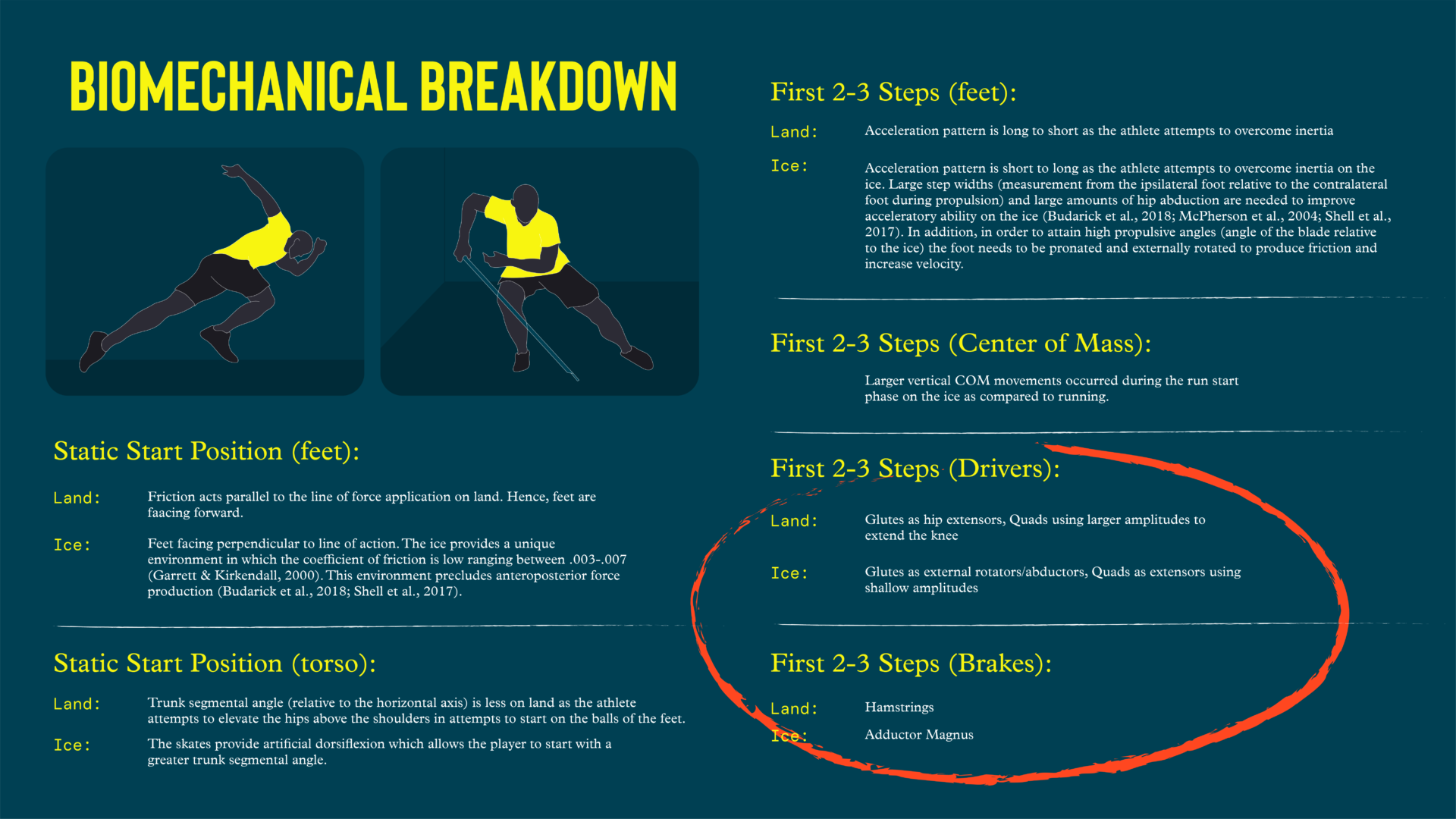
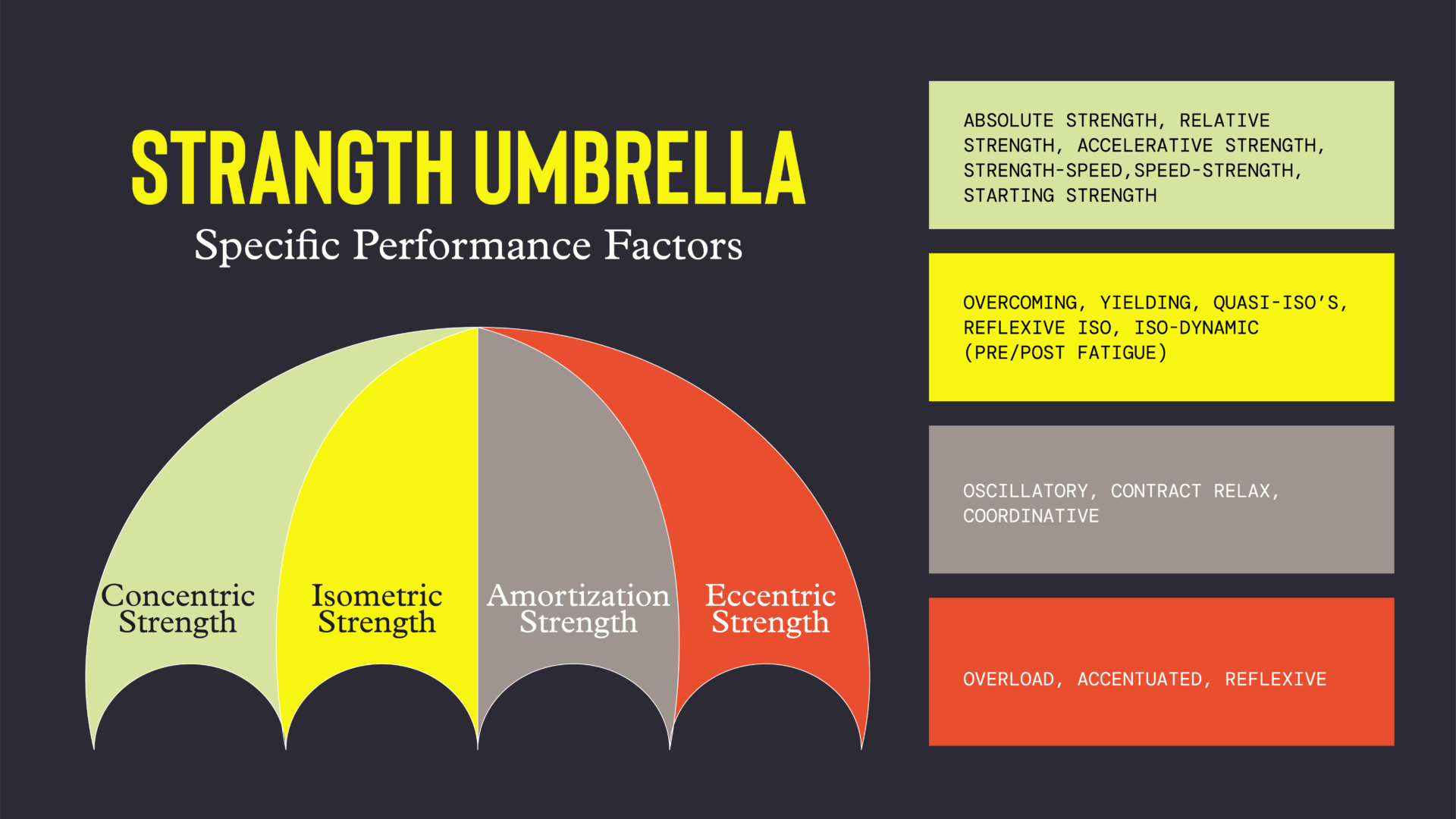
Reflexive eccentrics sit at the fast end of the eccentric training spectrum. They are designed to train how quickly an athlete can apply the brakes, not just how much force they can produce. This article argues that for experienced athletes, eccentric rate of force development and stiffness are often the missing links between strength and performance.
Rather than relying on slow, heavy eccentrics, reflexive eccentrics use relatively light loads moved at high speed to mimic the braking demands seen in sprinting, jumping, and change of direction. This approach targets tendon stiffness, eccentric RFD, and stretch-shortening cycle efficiency while minimising muscle soreness, making it particularly useful in-season.
The article positions reflexive eccentrics as a progression tool for advanced athletes with high training age, where traditional progressive overload is no longer sustainable or efficient. By manipulating velocity, load, and exercise variation, coaches can continue to drive adaptation without excessive volume or fatigue.
Practical programming examples show how reflexive eccentrics can replace or complement Olympic lifts, loaded jumps, and foundational strength exercises within an undulating weekly structure. Emphasis is placed on intent, exercise order, and coaching cues to ensure athletes brake aggressively and consistently.
Article figure gallery:



Key takeaways
- Reflexive eccentrics train eccentric rate of force development, not just force capacity.
- High speed braking improves tendon stiffness and stretch-shortening cycle efficiency.
- Light loads moved fast (0–30% 1RM) can drive meaningful neural and tendon adaptations.
- Reflexive eccentrics cause minimal soreness, making them viable in-season.
- Best suited to advanced athletes who no longer benefit from simple load progression.
- Programming hinges on velocity, intent, and exercise order, not load alone.
#4 – Using anaerobic speed reserve to profile players and individualize training || Carmen Colomer
Summary
The anaerobic speed reserve (ASR) provides a more precise means of individualising conditioning than prescribing work based on aerobic speed alone. By accounting for the gap between maximal aerobic speed (MAS) and maximal sprinting speed (MSS), ASR helps practitioners understand the relative intensity of conditioning with reference to aerobic and anaerobic contributions.
This article shows why athletes with similar aerobic capacities can respond very differently to the same conditioning session. Prescribing work as a percentage of MAS alone can underload some athletes while overloading others. Using ASR instead allows coaches to apply a more uniform physiological stress across a squad, improving adaptation and reducing unintended fatigue.
The article introduces locomotor profiles based on the MSS–MAS relationship. Speed, hybrid, and endurance profiles each come with distinct strengths, limitations, and recovery needs. Conditioning strategies are then tailored to each profile, highlighting how training should differ for explosive athletes, high-capacity repeat performers, and volume-tolerant endurance types.
Beyond on-field running, the article demonstrates how ASR principles can be applied to off-feet conditioning and rehabilitation contexts, maintaining appropriate intensity when traditional running is not possible. Throughout, the emphasis is on context, recovery management, and avoiding one-size-fits-all conditioning models.
Key takeaways
- ASR provides a clearer picture of training intensity than MAS alone.
- Athletes with the same MAS can experience very different stress at the same running speed.
- The proportion of ASR used matters more than the absolute value of ASR.
- MSS–MAS profiling helps categorise athletes into speed, hybrid, and endurance types.
- Conditioning should align with each profile’s tolerance, recovery needs, and positional demands.
- ASR-based prescription is most useful when training intensities exceed 100% of MAS.
- The same principles apply to off-feet conditioning and rehabilitation settings.
#5 – Rehabbing a pro footballer’s hamstring intramuscular tendon injury || Patrick Proller
Summary
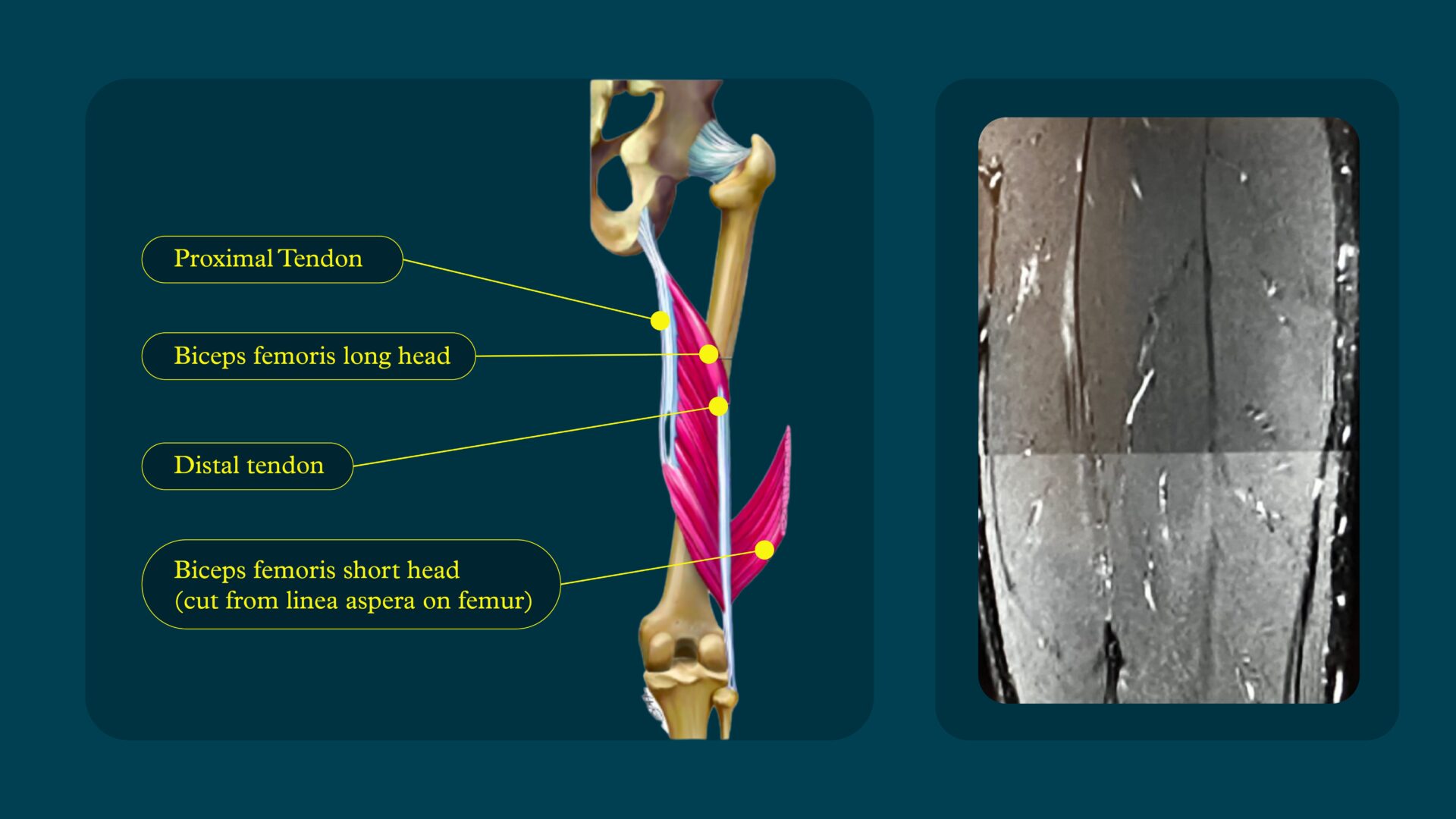
This case study details the accelerated rehabilitation of a professional footballer following a BAMIC 2c intramuscular tendon injury of the biceps femoris long head. Rather than following a conservative, time-based pathway, the process was driven by structured risk assessment, objective monitoring, and progressive exposure to sport-specific demands.
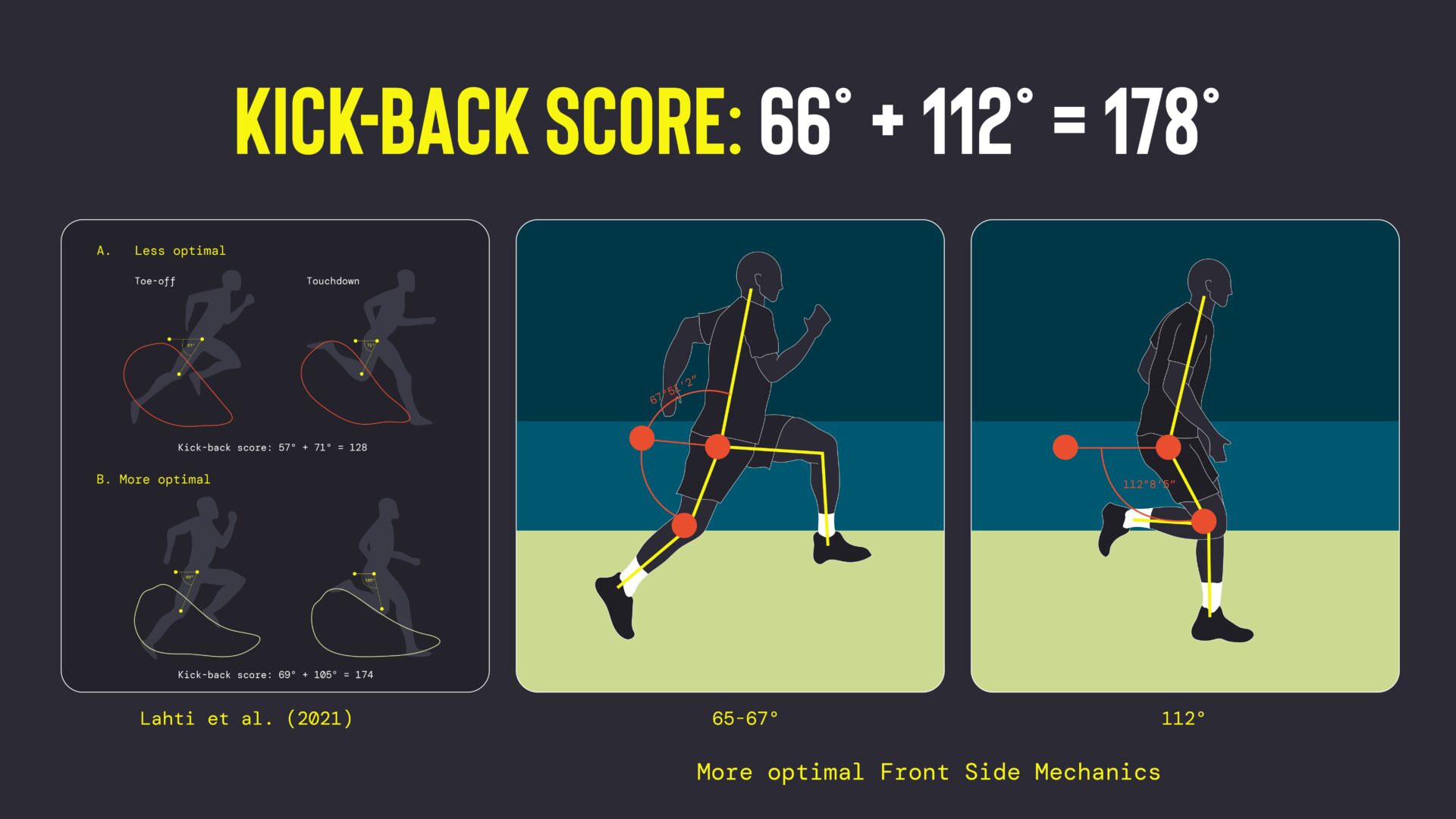
Early diagnosis via MRI established the extent and location of connective tissue involvement, while thermography was used throughout rehabilitation to track internal tissue response to load. Together with strength testing, movement quality assessments, and GPS data, these tools informed daily decision-making and reduced reliance on symptoms alone.
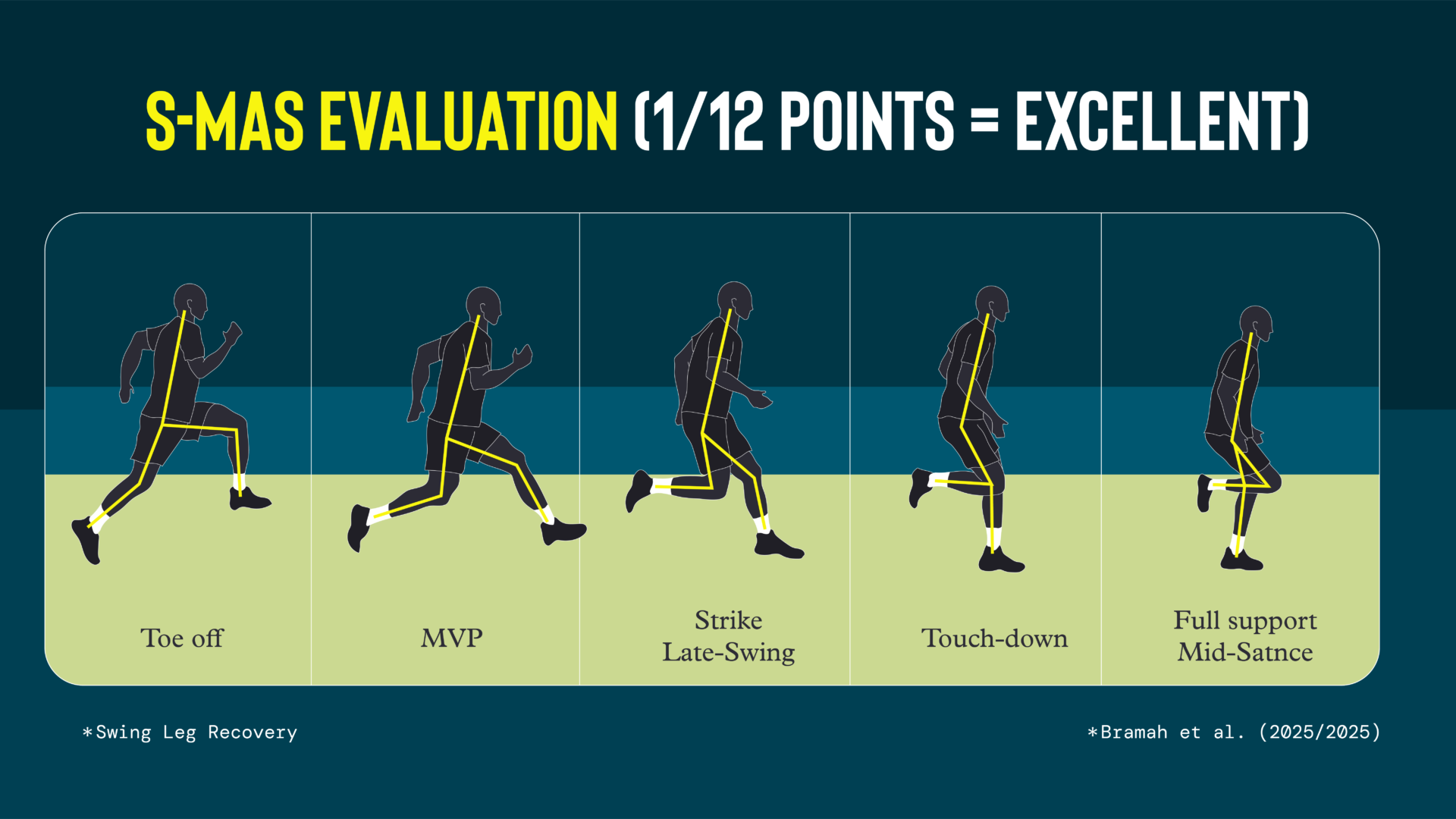
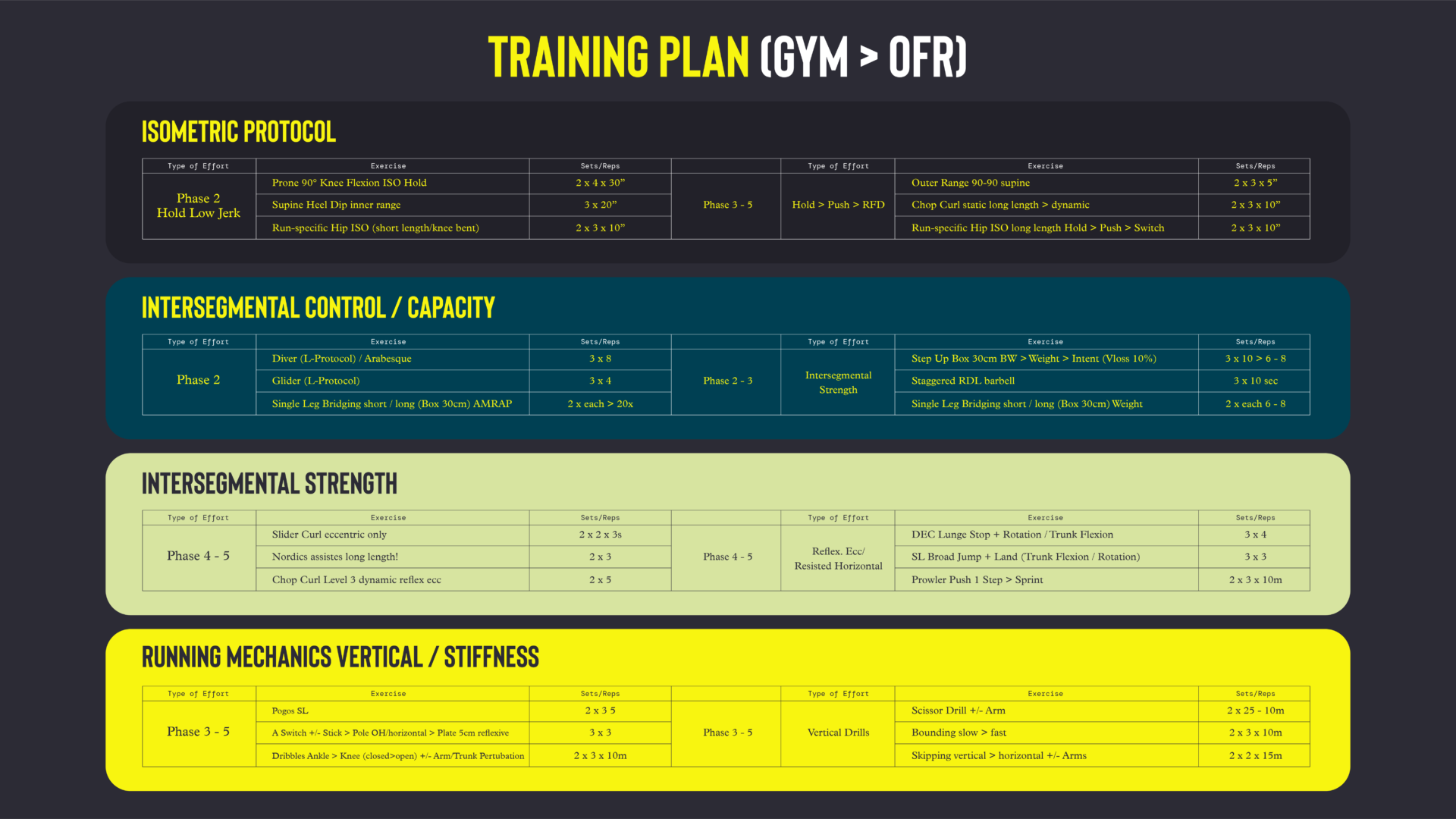
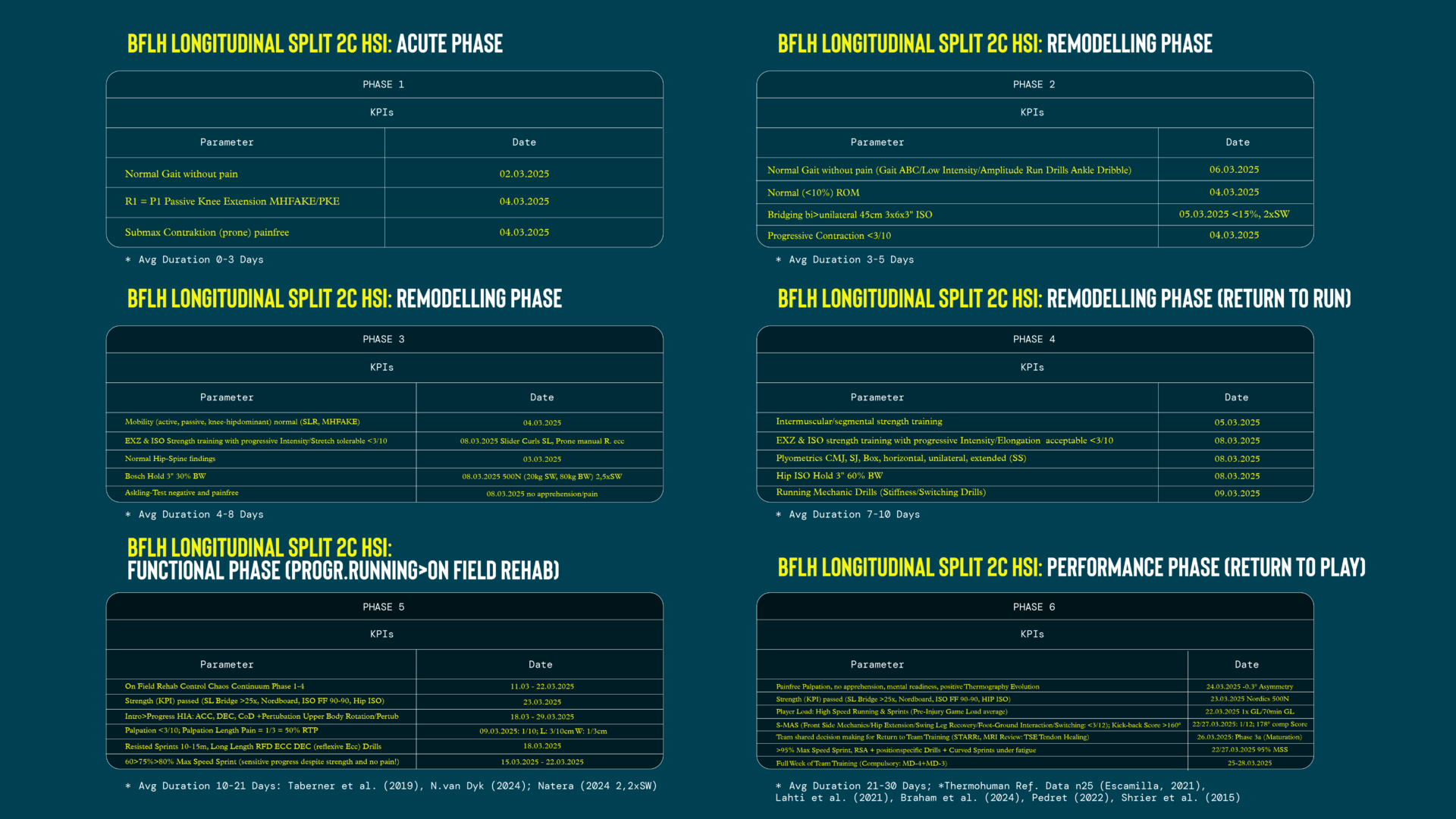
Rehabilitation progressed through clearly defined phases. Initial protection focused on managing tendon stress and addressing contributing factors such as trunk control, pelvic mechanics, and neuromuscular inhibition. Load was then reintroduced using short-range isometrics, blood flow restriction, and controlled eccentrics before transitioning to on-field running based on the control-to-chaos continuum. Speed exposure and gym loading were carefully microdosed, with progression guided by both biological and functional markers rather than rigid timelines.
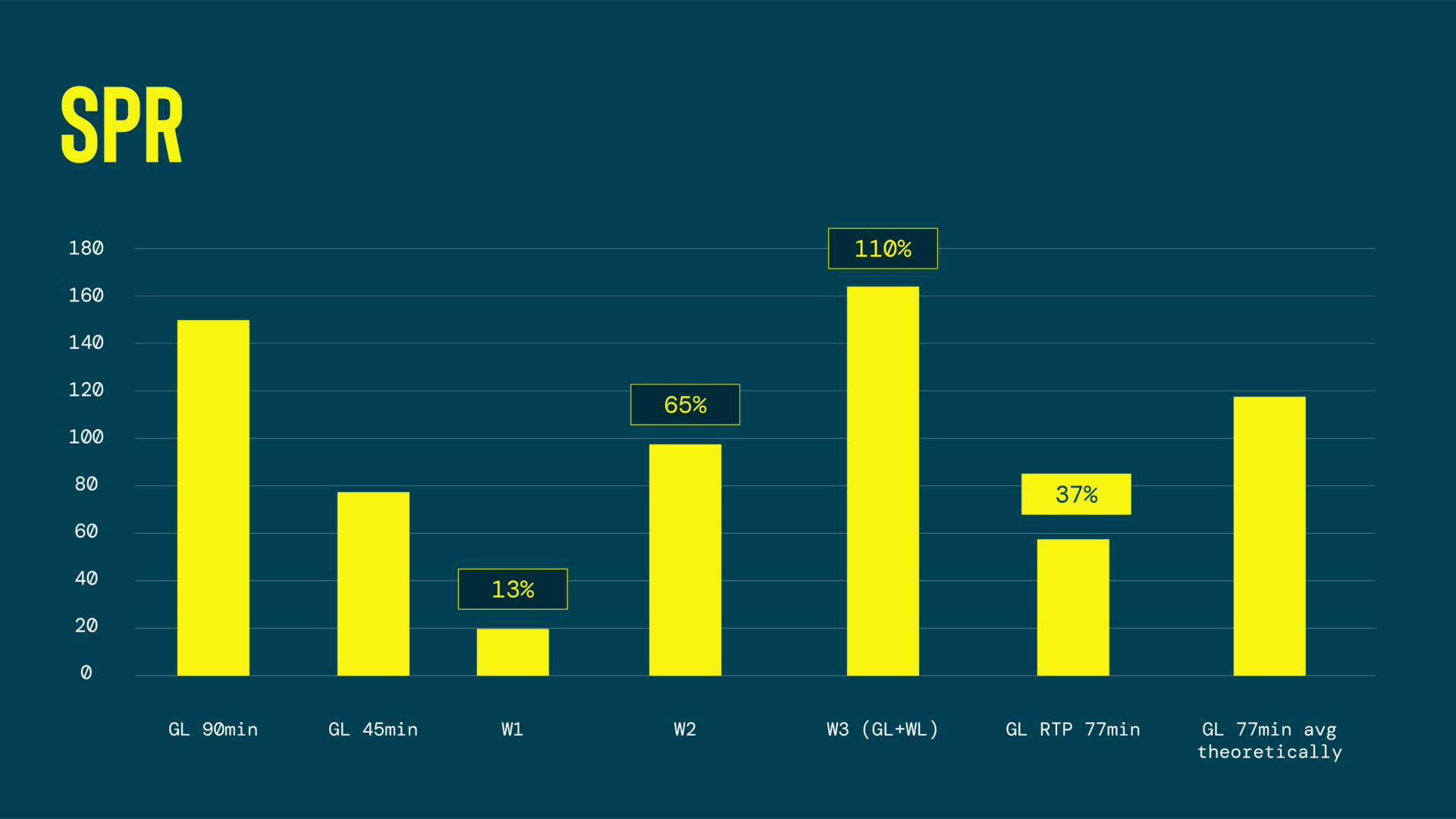
Despite incomplete connective tissue healing, the player met performance, movement, and risk-based criteria for return to play within four weeks. Post-return monitoring showed rapid restoration of sprint output under competitive load without reinjury, reinforcing the value of a data-informed, multidisciplinary approach.
Article figure gallery:

Key takeaways
- Intramuscular tendon injuries require careful diagnosis and tissue-specific loading strategies.
- MRI and thermography provide complementary insight into tissue healing and readiness.
- Early rehab should prioritise control, neuromuscular reactivation, and global mechanics, not just local strength.
- Progressive speed exposure and microdosed gym loading reduce reinjury risk during return to running.
- Return-to-play decisions should balance biological healing, functional capacity, and risk tolerance.
- Earlier-than-expected return is possible when decisions are guided by objective data rather than time alone.
#6 – The science of building player capacity and reducing injuries during pre season || João Francisco Almeida
Summary
This article provides a practical, field-tested framework for using GPS data to plan, individualise, and adapt preseason loading in elite football. The central premise is simple. Preseason is about building capacity. If players leave preseason with a full physical “battery,” they are more resilient, more available, and better equipped to handle the season ahead.
Rather than treating GPS as a passive monitoring tool, the article positions it as an active driver of decision-making. External load metrics such as total distance, high-speed running, sprint distance, and accelerations and decelerations are tracked relative to match demands and individual maximums. This allows staff to progressively overload players above competition requirements while controlling risk.
A key theme is individualisation within a squad setting. Weekly and daily targets are prescribed as percentages of each player’s own maximum outputs, not team averages. This ensures consistent physiological stress across the group, supported by top-up sessions when match or training exposure falls short.
The article also shows how live GPS data can bridge the gap between physical, technical, and tactical objectives. By mapping game model demands to training drills, staff can ensure that sessions replicate the intensity and movement patterns required in competition. Real-time feedback allows drills to be adjusted mid-session, maintaining alignment between load, fatigue, and tactical intent.
Finally, the piece emphasises that GPS data only becomes valuable when interpreted in context. Trends, not single sessions, guide decisions. Fatigue is treated as a necessary stimulus early in preseason, before shifting toward readiness and freshness as competition approaches.
Key takeaways
- Preseason loading should deliberately exceed match demands to build capacity and resilience.
- GPS metrics are most useful when expressed relative to individual maximums, not team averages.
- Weekly loads should be planned first, then distributed across the microcycle.
- Live GPS enables real-time adjustment of drills to hit physical targets without compromising tactics.
- Fatigue is a tool for adaptation early in preseason, but must be managed through trend monitoring.
- GPS works best when combined with internal load measures and game context, not used in isolation.
#7 – What we need to know about foot-ankle rehab in 2025: Highlights from the International Ankle Symposium || Romain Tourillon, François Fourchet, Thomas Bernerd, Paul-Joseph Bouquillon, Alexis Lartigue & Fanny May-Santy
Summary
This article synthesises key insights from the 10th International Ankle Symposium, challenging outdated models of foot-ankle function and offering a modern, evidence-informed framework for rehabilitation and performance.
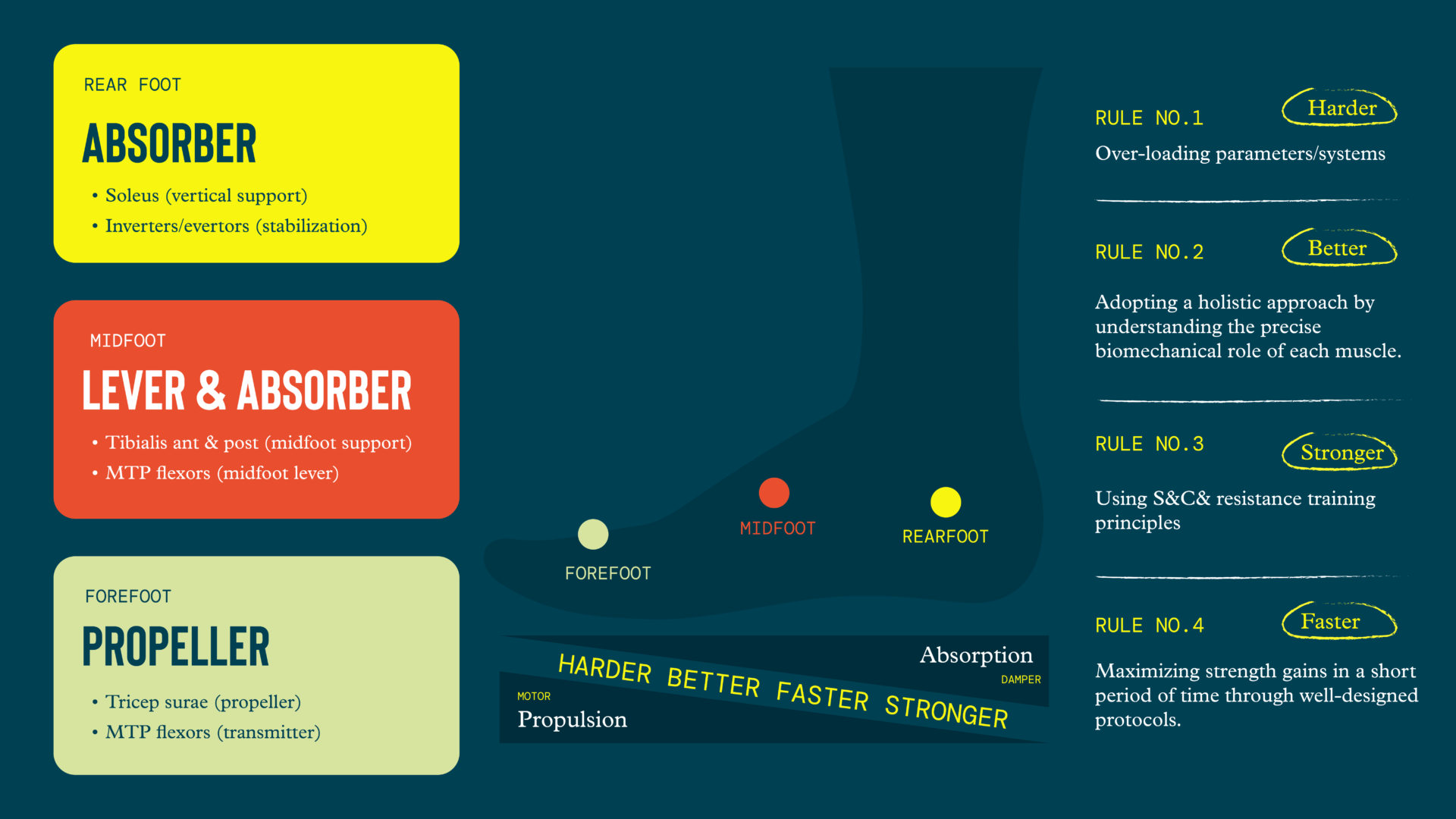
A central theme is the rejection of the foot as a simple “rigid lever.” Instead, the foot is presented as a highly adaptable system whose mechanical behaviour is dynamically controlled by the nervous system. Its ability to switch between force absorption and propulsion, and to store and release energy through the plantar fascia and Achilles tendon, underpins efficient locomotion. Interfering with these mechanisms, for example through excessive rigidity or poorly designed orthotics, can increase energy cost and compromise performance.
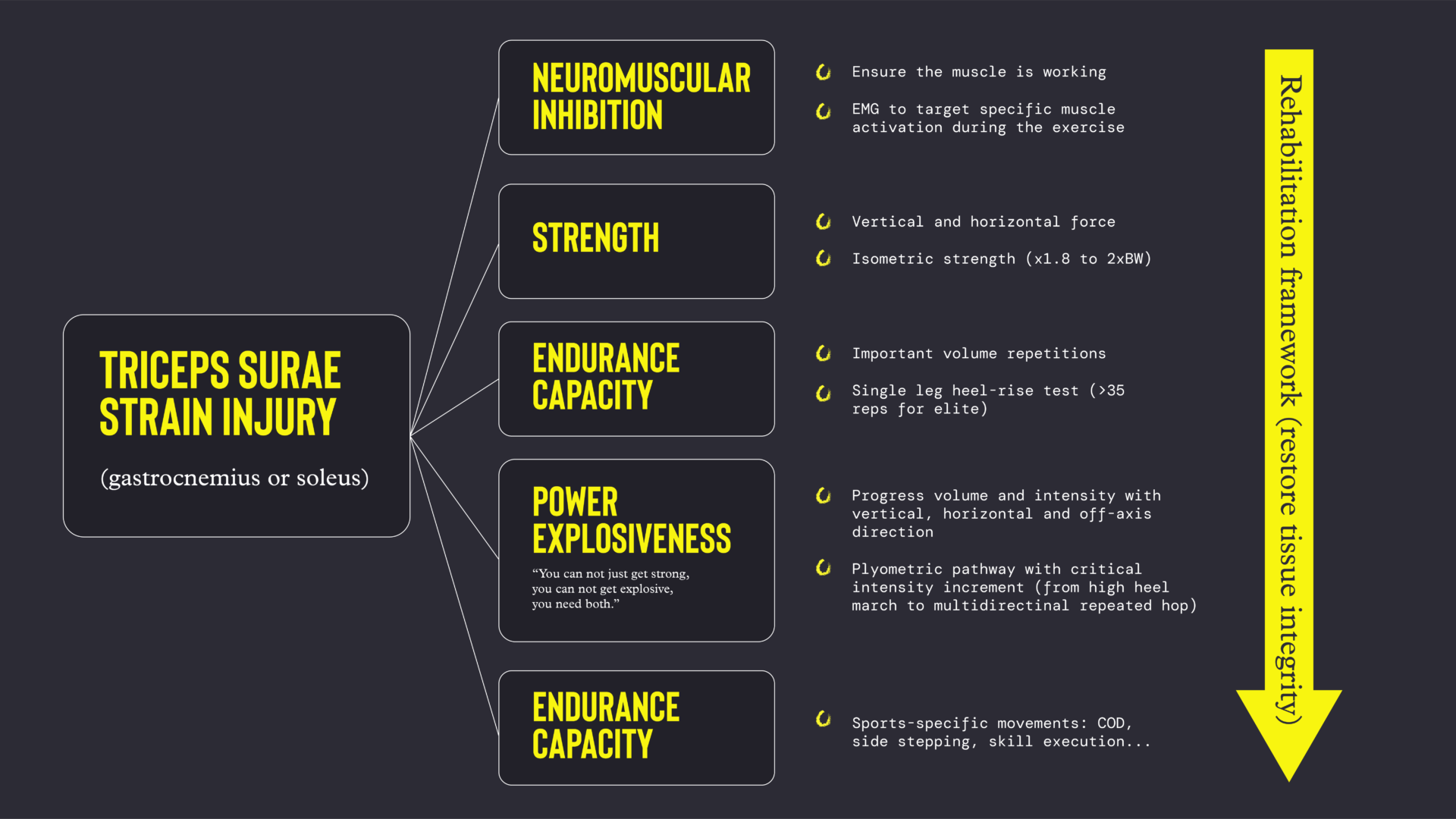
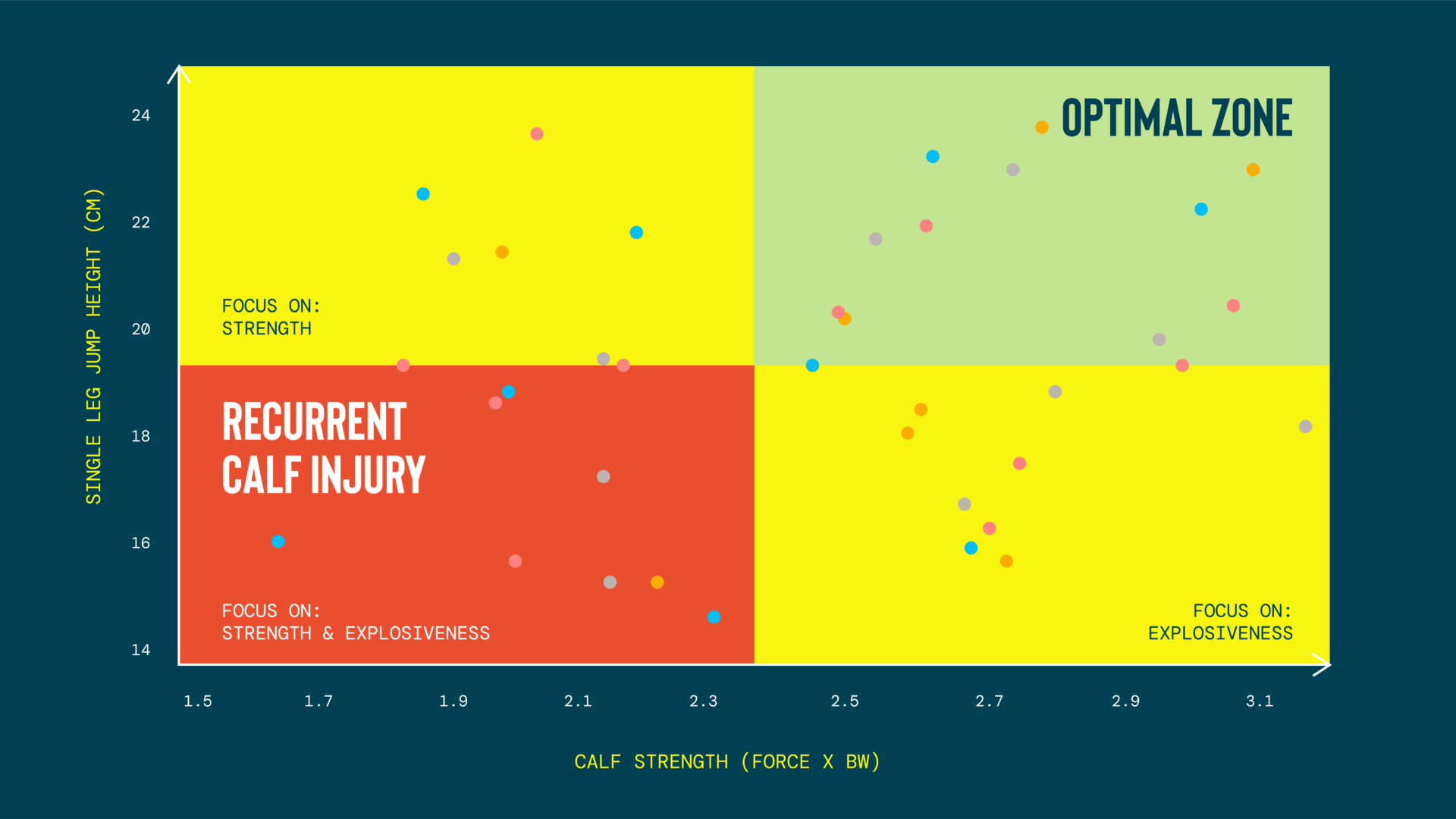
The article highlights the distinct but interconnected roles of intrinsic foot muscles, extrinsic foot muscles, and the calf complex. While intrinsic muscles contribute modestly to propulsion, they enhance forefoot stiffness and enable effective force transfer from the calf. The soleus and gastrocnemius are identified as the primary drivers of vertical and horizontal centre-of-mass acceleration, with calf strength, power, capacity, and tendon stiffness positioned as critical determinants of performance and injury resilience.
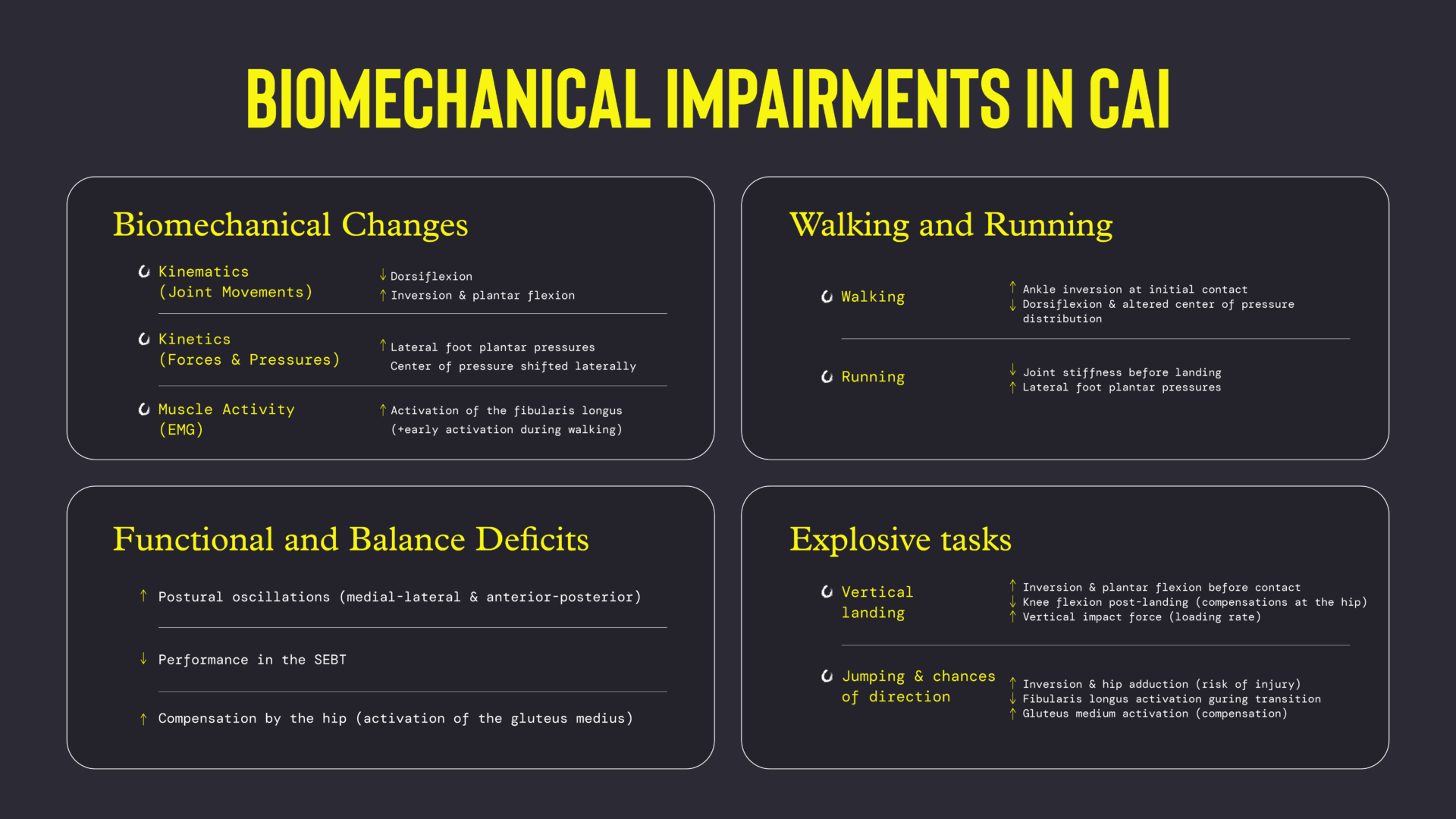
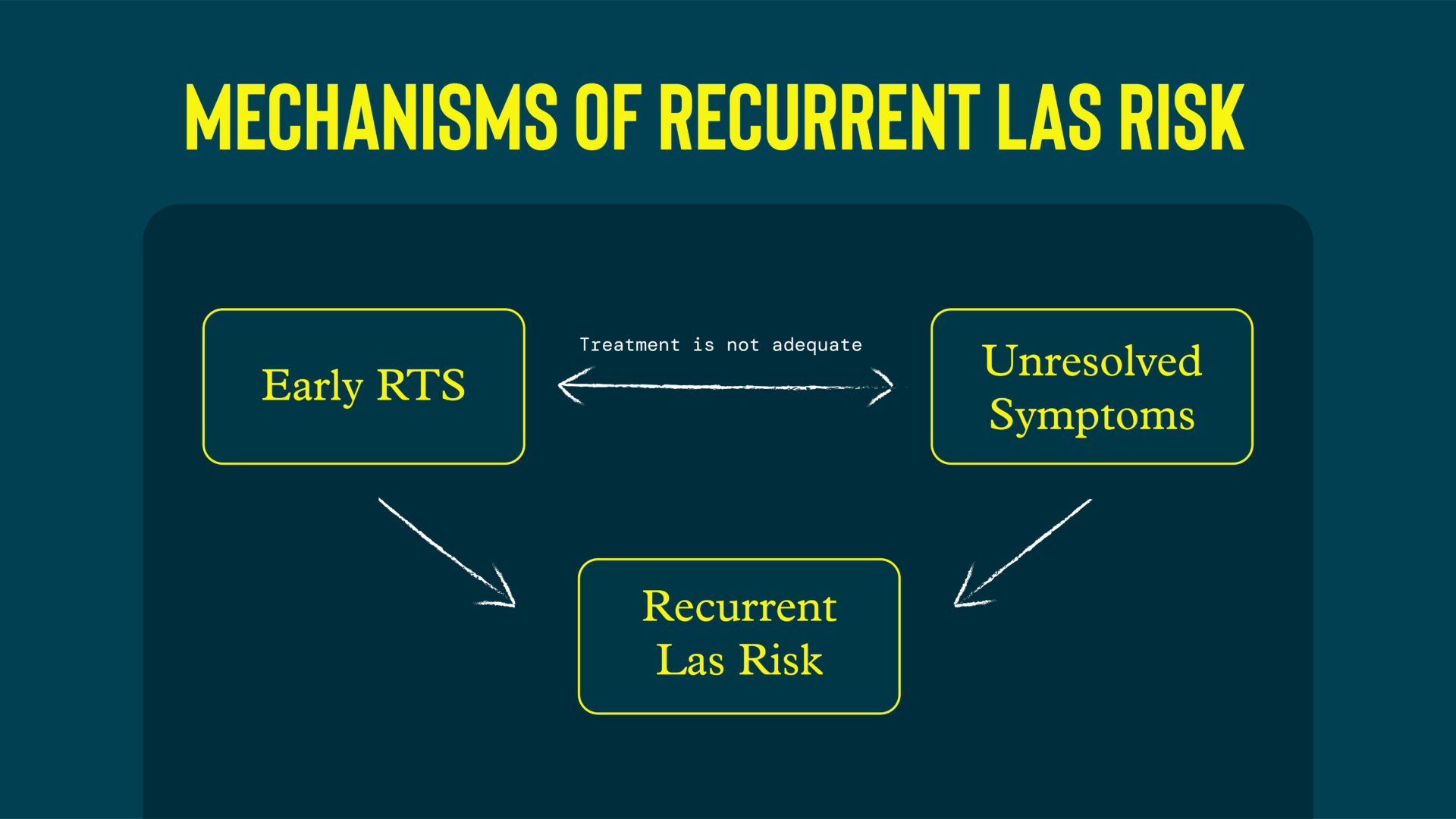
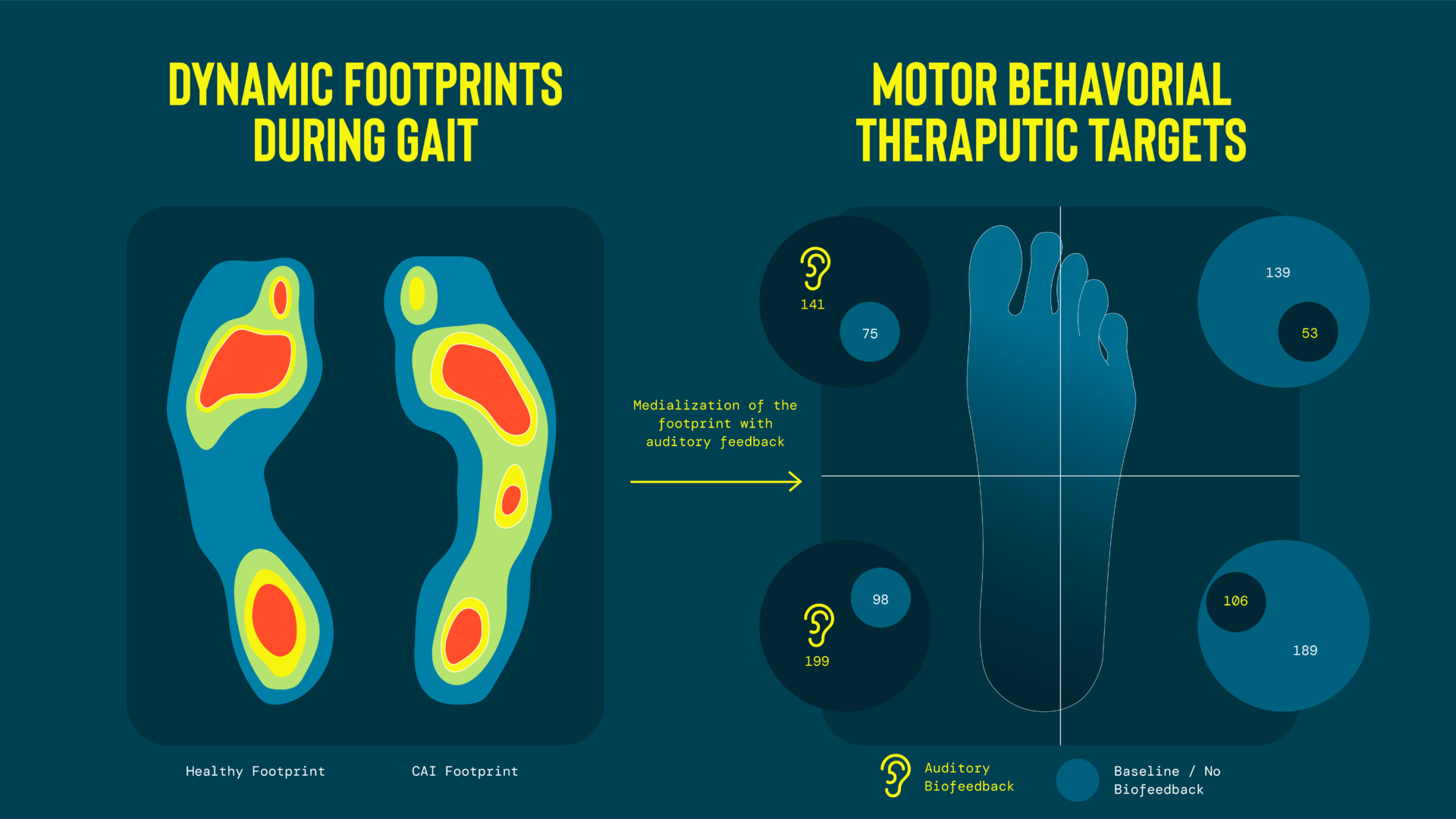
Lateral ankle sprains and chronic ankle instability are examined through a biomechanical lens. Altered movement strategies, impaired sensorimotor control, and compensatory loading patterns increase reinjury risk and contribute to long-term joint degeneration. The article emphasises that premature return to sport is common and strongly linked to recurrence, reinforcing the need for objective, data-driven return-to-sport frameworks.
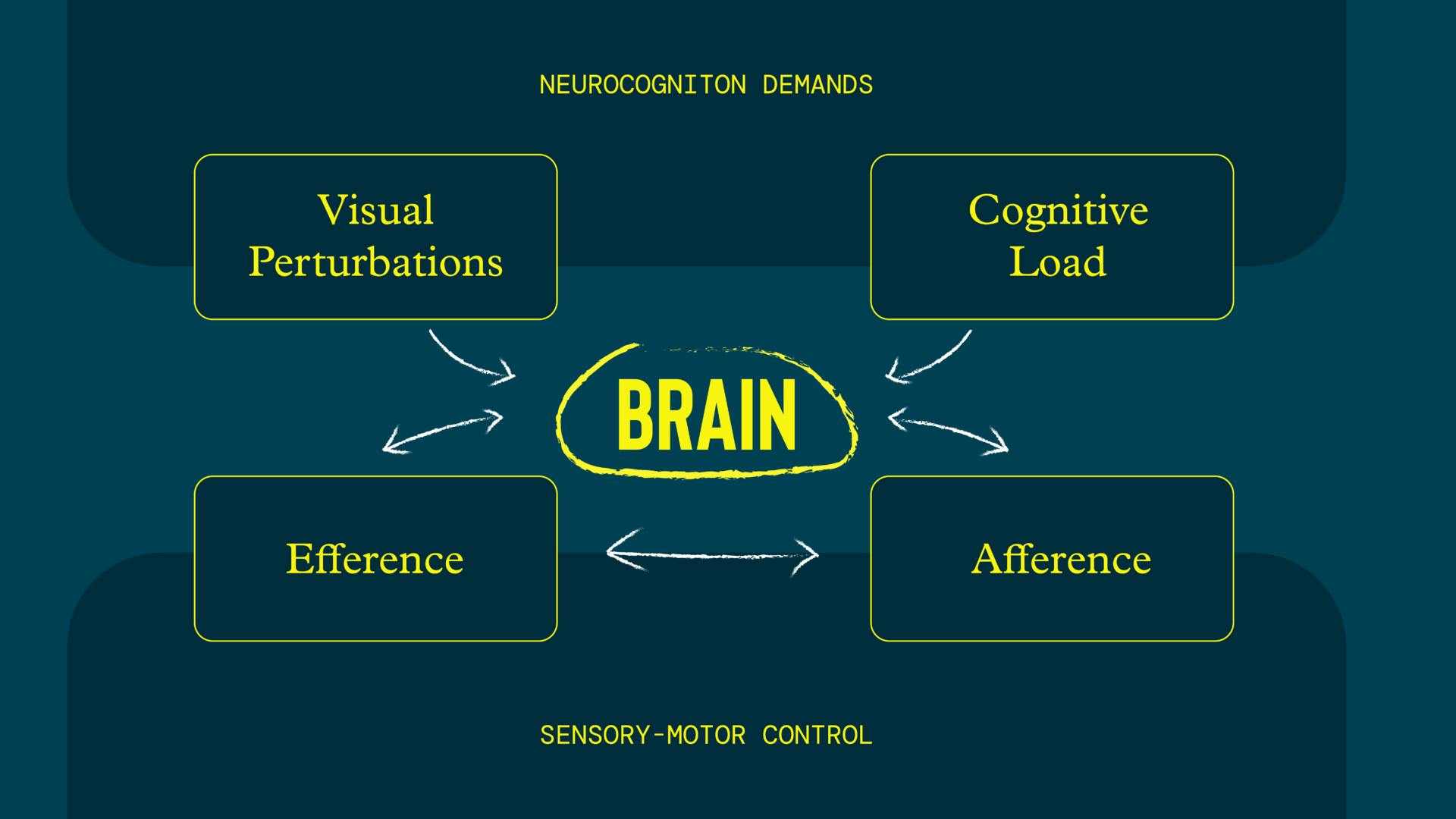
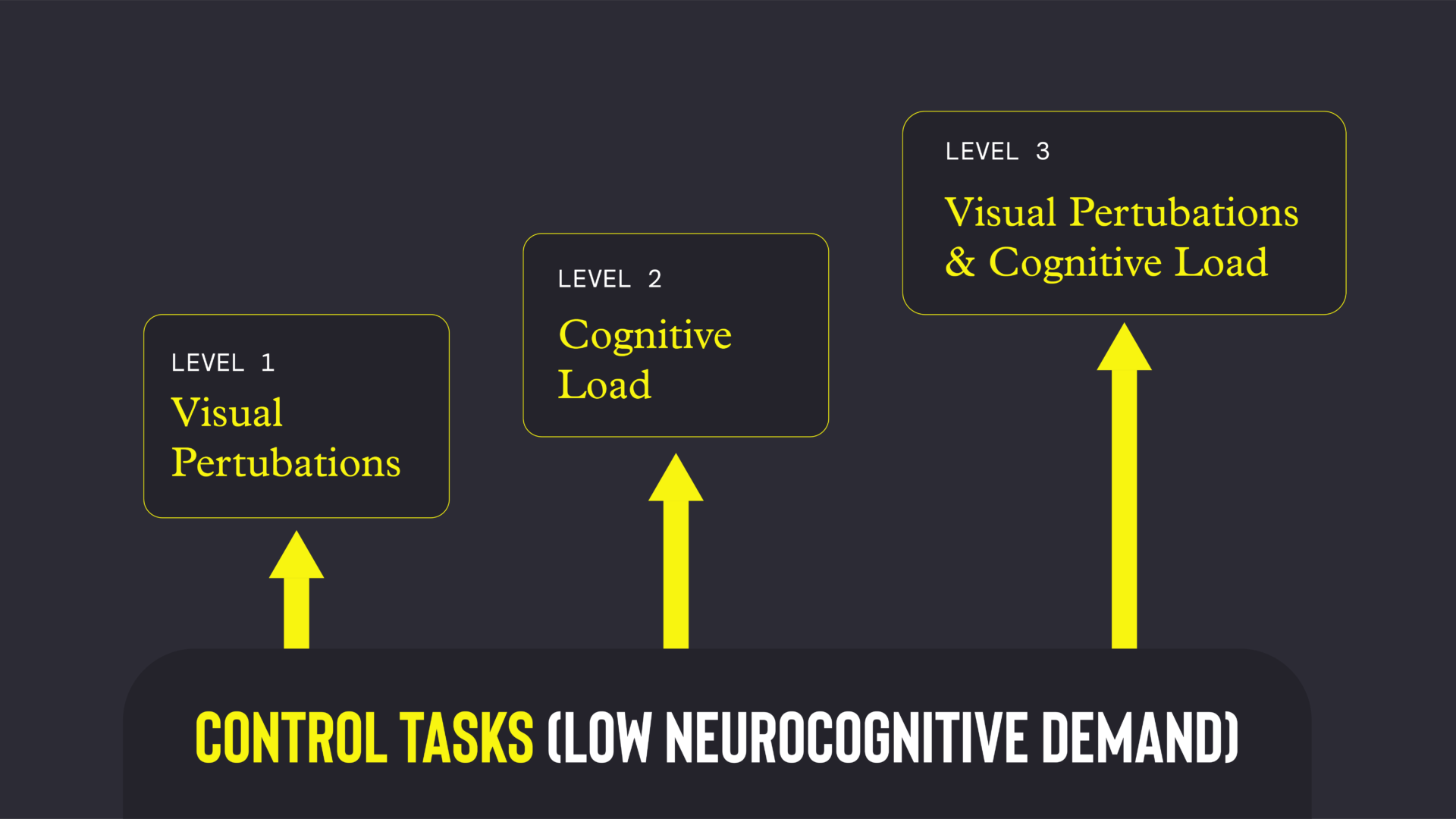
Tools such as the Ankle-GO Score are presented as practical methods for risk stratification rather than final clearance, while neurocognitive assessment and training are introduced as essential components of comprehensive ankle rehabilitation. The integration of sensory, visual, and cognitive challenges is framed as key to restoring robust, adaptable movement under sport-specific demands.
Article figure gallery:

Key takeaways
- The foot is a versatile, non-linear system, not a rigid lever, and must be trained for adaptability.
- Energy storage and release through the plantar fascia and Achilles tendon are central to efficient movement.
- Calf strength, power, capacity, and neuromuscular control are critical for both performance and injury prevention.
- Underloading the calf and foot-ankle complex is a common limitation in rehabilitation.
- Chronic ankle instability involves biomechanical, sensorimotor, and neurocognitive deficits, not just local weakness.
- Objective tools like the Ankle-GO Score support risk-based return-to-sport decisions but should not replace full performance testing.
- Early, high-quality rehabilitation is essential to reduce reinjury risk and long-term osteoarthritis.
#8 – Isometric hamstring testing in sport: Protocols, metrics, and practical application || Nicholas Ripley
Summary
Isometric hamstring testing is now widely used in team sports, but selecting the right test and interpreting the data correctly remain challenging. This article cuts through that complexity by outlining what different isometric hamstring assessments can and cannot tell us, and how they should be applied across screening, monitoring, and rehabilitation contexts.
The article explains that while multiple test positions exist, including prone, supine, standing, and kneeling variants, all are reliable and sensitive to changes in neuromuscular function when protocols are standardised. Differences in muscle activation between positions are often overstated, with current EMG evidence showing only modest variation. As a result, test selection should be driven by practicality, injury context, and the specific decision being made rather than assumptions about muscle specificity.
A key strength of isometric testing is its ability to track fatigue. Peak force consistently decreases by 10–20% for up to 72 hours after fatiguing activity, making it a robust tool for post-match monitoring and congestion management. The article also highlights the value of rapid force metrics, showing that force at 100 and 200 ms can decline substantially even when peak force is relatively preserved.
The limitations are addressed directly. There are no true normative benchmarks across sports, positions, or sexes, and symmetry alone can be misleading. The article argues for combining absolute and relative force measures, tracking individual trends, and using typical error thresholds to guide decisions rather than relying on single cut-off values.
Key takeaways
- All isometric hamstring test positions are reliable when protocols are consistent.
- Test selection should be driven by context, resources, and injury status, not assumed muscle specificity.
- Peak force is the most stable and potentially useful metric for monitoring fatigue and recovery.
- Rapid force production may be more sensitive to fatigue than peak force alone.
- Symmetry without sufficient absolute strength can mask meaningful deficits.
- Individual trends and typical error thresholds should guide programming changes.
- Isometric testing is best used off-field to inform load management and rehabilitation decisions.
#9 – What are the 3 biggest misconceptions when it comes to speed training? || Tom Tombleson, Derek Hansen, Carlos del Barrio, Jean-Benoit Morin, James Wild & Cameron Josse
Summary
This article brings together perspectives from leading speed practitioners to challenge some of the most persistent misconceptions in speed training. Across contributors, a common message emerges. Speed development is rarely limited by genetics, single exercises, or isolated qualities. Instead, it is shaped by how force is produced, directed, and expressed under highly specific time constraints.
A recurring misconception is that some athletes simply cannot get faster. The article argues this belief often reflects poor training design rather than biological limitation. With the exception of elite sprinters near their ceiling, most athletes can improve speed if training targets the underlying components of sprint performance rather than just repeating sprint efforts.
Another major theme is the overreliance on ultra-specificity. While sprinting itself is essential, doing more of the same quickly leads to plateaus. Meaningful progress comes from identifying and developing limiting factors such as force orientation, rapid force production, stiffness, coordination, and technical execution under speed-relevant constraints.
The role of strength training is also reframed. Maximal strength alone shows weak relationships with sprint performance. What matters is force applied quickly, in short ground contact times, and in the correct direction. Excessive strength work beyond this point can blunt speed by adding fatigue or disrupting coordination.
The article also challenges rigid views on technique. Not all deviations from an “ideal” model require correction. Technical changes should be athlete-specific, context-driven, and weighed against injury risk, adaptability, and potential return on investment. For some athletes, maintaining a functional but non-ideal pattern may be the best option.
Finally, the contributors stress that speed training must sit within the wider training system. Fatigue, competing priorities, and poor integration can mask or limit speed adaptations. Speed does not always need its own session, but it does need intent, monitoring, and appropriate timing.
Key takeaways
- Nearly all athletes can improve speed if training addresses the right limiting factors.
- Sprinting alone can lead to early plateaus in the absence of adequate biomechanical and neuromuscular qualities.
- Speed depends on force applied quickly and in the right direction, not maximal strength alone.
- More volume does not equal better speed outcomes. Quality and intent matter most.
- Technical models should guide thinking, not dictate uniform solutions.
- Structural limitations and injury history can constrain technique more than cueing.
- Speed development must be compatible with the broader training system and fatigue management.
#10 – No ankle sprain is just “a simple ankle sprain” || Fraser McKinney
Summary
This article makes a clear case for treating ankle sprains as complex, system-wide injuries rather than isolated ligament events. It challenges the idea of the “simple ankle sprain” by showing how inadequate diagnosis and rushed rehabilitation can lead to long-term dysfunction, repeat injury, and reduced athletic performance.
The piece emphasises the importance of early, structured assessment using pragmatic clinical frameworks such as ROAST. Mechanism of injury, weight-bearing capacity, injury history, and functional stability are positioned as key drivers of clinical decision-making, often more informative than early imaging or ligament laxity tests alone. Functional deficits can exist even when structural stability appears acceptable.
A central theme is the role of swelling, pain, and altered afferent input in disrupting sensorimotor control. These changes affect gait, joint position sense, muscle activation, and even cortical processing. Without early intervention, maladaptive movement strategies and fear of movement can become ingrained, increasing the risk of chronic ankle instability and downstream injuries.
Rehabilitation is presented as a progressive process that balances tissue healing, neuromuscular re-education, and motor learning. Isometrics, balance training, and early restoration of movement are used not only to protect tissue but to preserve neural connectivity and minimise muscle atrophy across the lower limb. As rehab progresses, strength, power, and reactive capacity of the foot-ankle complex are systematically rebuilt using objective criteria rather than time-based milestones.
The article highlights the value of objective tools such as the Ankle-GO Score to support risk-based progression, while cautioning against using any single test as a gatekeeper for return to sport. End-stage rehabilitation integrates multidirectional hopping, scanning, and decision-making tasks to reflect the cognitive and mechanical demands of competition.
Key takeaways
- No ankle sprain should be considered “simple” without thorough assessment.
- Early diagnosis and understanding of injury mechanism shape effective rehabilitation.
- Swelling and pain disrupt sensorimotor control and can drive long-term dysfunction if not addressed.
- Functional stability matters more than ligament laxity alone.
- Isometrics and balance training play a critical role in early neuro-muscular preservation.
- Objective, multi-domain criteria should guide progression and return to sport decisions.
- Comprehensive rehabilitation reduces reinjury risk, chronic instability, and long-term joint degeneration.
Across these ten articles, a consistent theme emerges. Progress in high-performance sport does not come from chasing new tools or rigid protocols. It comes from understanding context, respecting constraints, and applying evidence with intent.
Each piece reinforces the same idea. Quality decisions are often grounded in clear frameworks, honest interpretation of data, and an appreciation of how athletes train, compete, and recover. When research is translated with this in mind, it supports practice rather than complicating it.
