

What were the primary goals for incorporating blood flow restriction training into the USA Rugby Women’s 7’s recovery and rehab protocols during the Paris Olympic Games?
The primary goals were to enhance muscle strength and size, improve circulation and vascularity, and increase muscle endurance. The way we targeted these goals varied across our player group, taking into account factors such as training age, health status, injury history, and specific training objectives. To ensure a tailored approach, we categorized players based on these factors and then selected the most suitable BFR training methods to maximize benefits for each athlete.
For players with substantial training experience, no significant injury history, and a well established strength foundation, BFR was primarily a recovery tool. This involved bike flushes (3 x 3 minutes) and hot / cold water immersion sessions (3 x 5 minutes or 2 x 4 minutes).
There were two programs for athletes dealing with strength imbalances or recovering from previous injuries. Some of these athletes performed light resistance combined with heavy occlusion following a 30:15:15:15 training format. The remainder applied occlusion specifically to the affected limb while maintaining the prescribed sets and reps for their given programs.
Players with a higher training age and existing or past injuries required a more nuanced, combination approach. BFR could be integrated into various parts of their training day, so we had to strategically select when and how to apply the stimulus to avoid overuse.
Working on a four day training week, these athletes would have rehabilitation and activation exercises with 3 x 5 minutes of maximum pressure BFR followed by a traditional bike flush on Mondays.
Tuesday was hypertrophy work targeting specific areas, followed by either a BFR bike flush or hot / cold water immersion. Wednesday would be a rest day, and then Thursday and Friday would mirror the first two days of the week.
Grouping players based on their specific needs let us apply a more precise and individualized BFR approach. This optimized the impact of BFR and fostered stronger collaboration between the medical and strength & conditioning teams. Ultimately, this ensured that both players and staff had a shared understanding of the goals being pursued and the tools to achieve them.
Tweet ThisWe categorized players based on factors such as training age, health status, injury history and then selected the most suitable BFR training methods to maximize benefits for each athlete.
Trey Ford
How did you integrate BFR into the team’s broader recovery and performance strategy, especially during short turnaround times between matches?
Incorporating BFR into the team’s training regimen between matches and throughout the tournament presented several challenges. The two main obstacles were the limited research on the optimal dosage of BFR for elite athletes in competition, and the variability of the tournament format, including match times and the number of games played in the Sevens World Series.
Current research typically recommends applying BFR 2-4 times per week, with no more than two sessions per day.
However, much of the existing knowledge comes from clinical settings, rather than elite athletic environments, which meant we couldn’t rely solely on these guidelines. While our performance staff used this information to inform our approach, we understood the importance of adapting it to the specific demands of our athletes and tournament structure. We also considered several other critical factors when planning BFR sessions, including training schedules, session focuses, match timings, gaps between games, and the availability of recovery equipment.
Once we had gathered all relevant information, we developed a tailored plan for the athletes.
In a typical tournament week, the team trains three times prior to competition.
We would program BFR for the first two days. On the first day, BFR is primarily used for activation and rehabilitation, addressing the physical demands of travel, which often include long periods of sitting, jet lag, and disrupted sleep. This use of BFR helps the athletes prepare their bodies for the upcoming competition. On the second day, BFR is integrated into strength and hypertrophy training in the gym, allowing for sufficient recovery before the first match of the tournament.
On match days, the timing between games plays a critical role in determining how we incorporate BFR into the recovery process.
If there is a 3-4 hour gap between matches, we typically apply BFR between games and again after the final match of the day to enhance recovery. However, if the gap between matches is less than three hours, we prioritize nutritional intake and rest to ensure the athletes are properly fueled and recovered. In these cases, BFR is applied only after the last match of the day to avoid overloading the athletes when recovery time is limited.
Tweet ThisOn the first day, BFR is primarily used for activation and rehabilitation, addressing the physical demands of travel which helps the athletes prepare their bodies for the upcoming competition. On the second day, BFR is integrated into strength and hypertrophy training in the gym, allowing for sufficient recovery before the first match of the tournament.
Trey Ford

What improvements did you observe in terms of recovery outcomes when using BFR, compared to traditional methods?
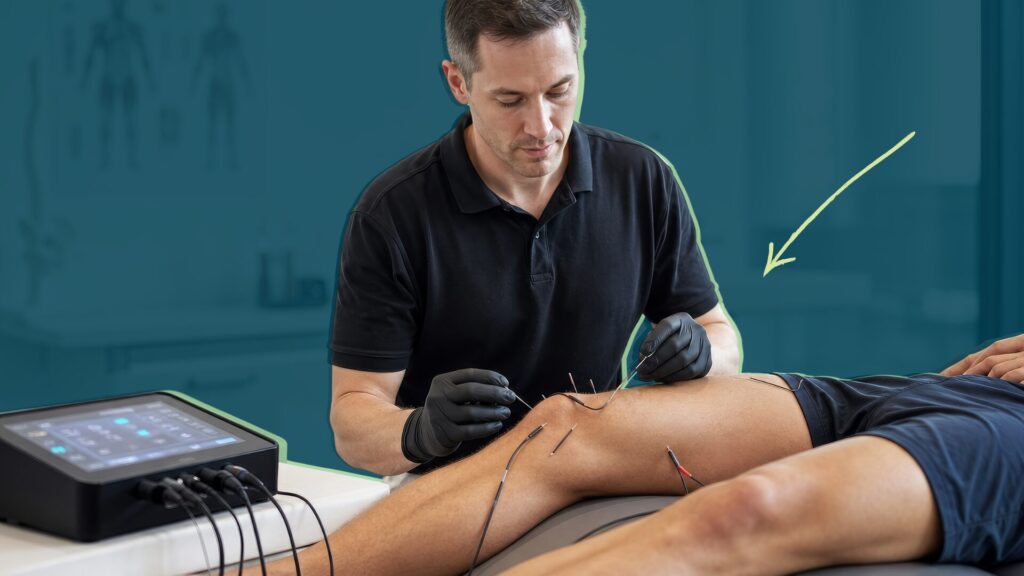
The most notable observation was the athletes’ increased sense of well-being and preparedness, both after long travel days and during or following intense training sessions. With traditional recovery strategies such as compression garments, water immersion, dry needling, and cupping, the feedback is typically more varied. Athletes often provide a mix of positive and negative responses to these treatments, which can lead to biases toward specific modalities. However, when incorporating BFR into the recovery routine, the feedback we received from our athletes was overwhelmingly positive, which suggests its potential effectiveness.
One of the likely reasons for this positive reception is that the Hytro BFR equipment seamlessly integrates into each athlete’s existing recovery routine.
Whether an athlete prefers ice baths, stretching, or steady state biking as part of their recovery process, BFR can be easily incorporated with minimal changes to their current regimen. This flexibility made it an appealing option for the athletes, as it didn’t require them to completely overhaul their established routines. Instead, they were able to simply add BFR sessions alongside their usual recovery strategies, helping them stay consistent with their recovery while experiencing the benefits of BFR.
Another significant observation was the reduction in fluid buildup in the joints after long travel days and strenuous training sessions. Typically, athletes would experience swelling and a reduction in range of motion at specific joints and angles, especially after travel or heavy physical exertion. Following BFR sessions, players reported less swelling and restriction in these areas.
This suggests that BFR may help improve circulation and accelerate the removal of metabolic waste products that contribute to joint discomfort and limited movement. That’s particularly beneficial for athletes who are frequently on the road and endure multiple physically demanding sessions in a short span of time.
Our final observation was a general increase in preparedness for both training and matches.
BFR was part of players’ warm ups before training sessions or matches. This additional use let us make fewer modifications to existing training sessions, as players were more prepared and spent more time in training. They were able to perform at a higher level, reducing the need for additional recovery time before the next session, which proved to be highly beneficial in terms of overall performance.
Tweet ThisThe most notable observation was the athletes’ increased sense of well-being and preparedness, both after long travel days and during or following intense training sessions.
Trey Ford

What were the biggest challenges in implementing BFR during a high stakes tournament like the Paris games, and how did you address them?
The primary challenge was determining how to maximize the benefits of BFR while minimizing potential drawbacks and resisting the urge to use it excessively in the hope that “more is better.” Our staff was well aware of the limited research surrounding BFR, which led us to approach its use with caution. We made a concerted effort to stay within the commonly accepted usage guidelines and avoid exceeding the recommended parameters.
This cautious approach was particularly important given that most of our Olympic team had not been using BFR consistently enough prior to traveling to Paris to give us a clear indication that there would be additional benefits from exceeding the recommended guidelines. We did not want to take unnecessary risks by increasing its use without sufficient evidence to support its efficacy beyond the recommended guidelines.
Moreover, we understood that increasing the frequency of any new training stimulus carries the risk of adverse effects, which could be counterproductive as we approached the start of competition. We had to be mindful of the balance between introducing new recovery strategies and ensuring our athletes’ bodies were prepared for peak performance. We therefore took a careful, measured approach to avoid any negative impact on their readiness or recovery.
Given these considerations, we also relied heavily on our rapport with the athletes. Continuous communication allowed us to understand how and when to supplement their training regimes with additional BFR sessions.
By engaging with each athlete individually and taking their feedback into account, we were able to align their BFR usage with their specific needs and recovery patterns. This personalized approach allowed us to effectively integrate BFR into their routines without overloading them or risking any unwanted side effects as we approached the critical stages of competition.
Tweet ThisMoreover, we understood that increasing the frequency of any new training stimulus carries the risk of adverse effects, which could be counterproductive as we approached the start of competition. We had to be mindful of the balance between introducing new recovery strategies and ensuring our athletes’ bodies were prepared for peak performance.
Trey Ford
How did you monitor the effectiveness of BFR sessions, and what metrics or feedback were most valuable in assessing its success?
The team relies on both quantitative and qualitative metrics to assess effectiveness and track progress, providing a comprehensive view of an athlete’s development, on and off the field. By using a mix of these metrics, we can get a well rounded picture of how each athlete is responding to training, recovery, and competition.
When evaluating the effects of BFR, wellness scores from the following day in combination with athlete feedback are essential in assessing its effectiveness. Positive remarks like “feeling springy” or “more energized” indicates that BFR has had a beneficial impact. Conversely, negative comments, such as “heavy legs” or “feeling lethargic,” often suggest that we need to adjust the intensity or frequency of BFR sessions.
Qualitative insights are vital in tailoring the use of BFR to meet the specific needs of each athlete, ensuring they experience the benefits without overloading their central nervous system.
We also tracked several important quantitative metrics to monitor recovery and readiness. These include heart rate variability, exercise heart rate, and recovery heart rate, all of which are closely monitored to ensure athletes are adapting well to their training load. Regular countermovement jump testing provides objective data on an athlete’s explosiveness, while velocity based training devices in the gym offer real time performance feedback.
Another key metric is change in muscle mass, which we measure via body circumference measurements. By regularly assessing areas like the arms, chest, thighs, and calves, we can detect increases in muscle size, signaling gains in lean mass. This is particularly useful for evaluating the effectiveness of strength and hypertrophy training with BFR, as BFR has been shown to support muscle growth.
Tweet ThisWhen evaluating the effects of BFR, wellness scores from the following day in combination with athlete feedback are essential in assessing its effectiveness. Positive remarks like “feeling springy” or “more energized” indicates that BFR has had a beneficial impact.
Trey Ford
Based on your experience with Hytro and BFR in Paris, how do you see its role evolving within rugby sevens and other high performance environments?
BFR use in high performance environments, especially within rugby sevens, is still in its early stages. As the technology continues to develop, our understanding of BFR’s potential will expand, leading to more effective applications in training and recovery.
However, there are two main challenges that have slowed its widespread adoption: the high cost of equipping an entire team with BFR devices, and the practical difficulties in implementing BFR protocols within team sports. Additionally, concerns about the consistency, validity, and monitoring of BFR interventions have made it harder for teams to fully embrace its use.
Despite these obstacles, Hytro offers a cost effective and versatile solution that could address many of the current barriers. With this more accessible approach, BFR is likely to be adopted more widely within teams, making it easier to integrate into regular training and recovery routines.
As more teams begin to use BFR, a better understanding of its practical applications will emerge. This will provide clearer guidelines for its use in elite team sports while giving practitioners the flexibility to adapt the protocols to their specific environments and needs. This adaptability is essential, as it allows teams to customize BFR strategies based on individual athletes’ needs, training schedules, and other unique factors.
We can expect to see a phase of experimentation where teams test and refine different BFR approaches to find what works best. Rugby sevens, known for its fast paced nature and quick turnarounds between matches, provides an ideal environment for testing the effectiveness of BFR. Its ability to help players recover faster and perform at their best could revolutionize how fatigue is managed during a demanding tournament.
Additionally, using BFR both in training and gym sessions may help reduce the occurrence of soft tissue injuries. By improving circulation and aiding in recovery, BFR can keep athletes healthier throughout the season, helping them maintain peak performance levels. BFR can be part of a proactive injury prevention strategy that can improve the longevity and effectiveness of athletes in rugby sevens and other high intensity sports.
Tweet ThisHytro offers a cost effective and versatile solution that could address many of the current barriers. With this more accessible approach, BFR is likely to be adopted more widely within teams, making it easier to integrate into regular training and recovery routines.
Trey Ford