What are compression garments, and what are the key underlying physiological mechanisms that make them effective?
Compression garments are designed to provide external pressure to the limb, with the degree of pressure resulting from the fit of the garments, properties of the textile materials, size and shape of limb, and exercise activity.[1]
They originated in the medical field for the treatment of circulatory conditions, as a means to improve venous return, reduce swelling and lower-limb venous pooling.[2] Considering the importance of blood flow for sport and exercise performance,[3] compression garments have crossed over into the sporting environment as an ergogenic aid for performance and recovery.
In addition to enhanced blood flow, the external pressure may improve proprioception, reduce muscle oscillation and activation, and limit the space available for swelling and oedema to occur. [4,5,6,7] All of these factors may enhance performance during exercise and reduce muscle soreness and pain in recovery.
Tweet ThisIn addition to enhanced blood flow, the external pressure may improve proprioception, reduce muscle oscillation and activation, and limit the space available for swelling and oedema to occur.
Shane O’Riordan
How much difference does it make for an athlete who wears custom garments vs. one who wears shop-bought garments?
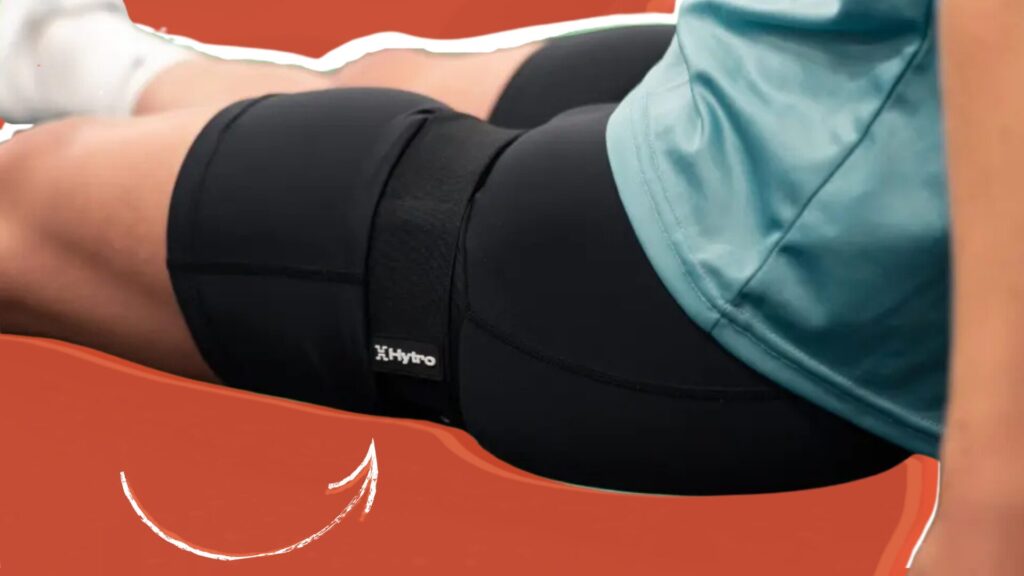
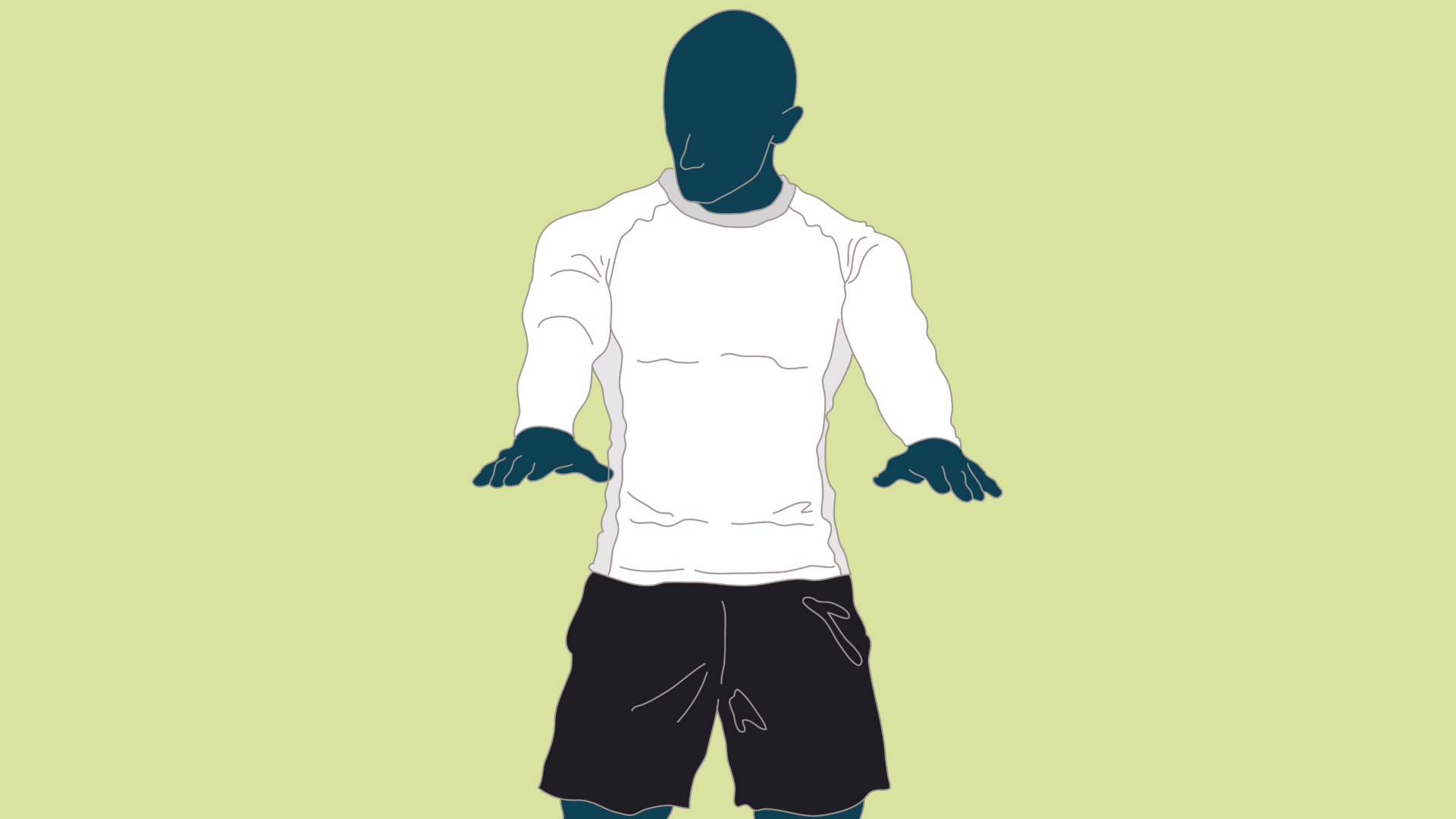
First, let’s consider the different types of garments that are available. The type of garment worn (Figure 1) will reflect the exercise performed or muscle group(s) involved. Sports that involve running will use calf sleeves, shorts, or tights, whereas sports that use a lot of upper body (e.g., shooting in basketball, wheelchair athletes) will opt for arm sleeves or T-shirt style garments.

Once the athlete selects the type of garment, they need to also consider if they should invest in a custom item or just shop off the shelf.
Custom garments are designed specifically to an athlete’s limb size based on limb circumference measurements or, more recently, 3D body scanning. This ensures that the athlete receives the graduated and correct level of pressure.
Off-the-shelf garments are offered in sizes based on broad ranges of height, weight, or limb circumference. Due to anthropometric and limb size variations between individuals, which are often exaggerated between athletes and the general population, one of these items may not provide the desired pressure, and the level of comfort will often be lower.
Cost is the major factor in favour of off-the-shelf compression garments. Off-the-shelf garments will range from 90–190 AUD (£47-53 or $63-70), whereas custom designed compression garments can cost in excess of 600 AUD (£317 or $418).
The benefits of compression garments for exercise performance and recovery are inconclusive.[9] Even with the target pressures used by custom garments, the slight variations in pressure between off-the-shelf and custom garments might not be worth the extra dollars. Additionally, some athletes do not like the way wearing compression garments feels, so it’s best to try something off-the-shelf before investing in custom-made.
A general rule to follow when shopping for compression garments is to lean toward companies that specialise in them (e.g., Skins, 2XU, Pressio). These companies have consistently shown that their garments more reliably provide targeted levels of pressure compared to sport apparel companies that are delving into the compression garment market.[6] A small in-house project we conducted supports this, with some non-compression companies’ products exerting up to 75% less pressure than those from specialised compression garment companies.
Tweet ThisSports that involve running will use calf sleeves, shorts, or tights, whereas sports that use a lot of upper body (e.g., shooting in basketball, wheelchair athletes) will opt for arm sleeves or T-shirt style garments.
Shane O’Riordan
What are the main differences between compression garments worn for sports and for recovery, mechanistically? Which one provides the best value for money?
Compression garments, whether worn for recovery or during exercise, work through many of the same mechanisms. The main difference arises from when they are worn and the subsequent effects.
During recovery, compression can increase blood flow while limiting the space available for tissue swelling or oedema to occur.[10,11] These may enhance nutrient delivery and facilitate the clearance of exercise-related by-products (e.g., creatine kinase), thus reducing secondary inflammation, muscle swelling, and DOMS. Compression garments designed for exercise recovery typically use higher pressures, as movement is not a concern.
During exercise, applying compression aims to augment the skeletal muscle pump and venous return. Compression-induced improvements in muscle blood flow during exercise may lead to enhanced muscle oxygenation and nutrient delivery.[12,13]
During exercise, the additional input to the mechanoreceptors can lead to enhanced muscle coordination, joint stability, and reduced muscle oscillation, potentially decreasing muscle fatigue and improving exercise performance (e.g., jumping, cycling, balance) and skill execution (e.g., baseball pitching, basketball free-throw accuracy).[14,15]
Compression garments during recovery provide the best value for money. They offer a passive recovery strategy that can be applied immediately after exercise, with no reported negative effects on indices of exercise recovery. Although wearing compression garments during exercise can be beneficial, there is the risk of an added thermoregulatory stress (i.e., increase in body temperature) and potentially feeling restricted during movement at higher pressures.
Tweet ThisDuring exercise, applying compression aims to augment the skeletal muscle pump and venous return. Compression-induced improvements in muscle blood flow during exercise may lead to enhanced muscle oxygenation and nutrient delivery.
Shane O’Riordan
When have you seen compression garments move the needle the most, and by how much?
Compression garments are most effective post-training or post-competition, particularly when athletes need a practical and passive recovery strategy.
The effectiveness is not necessarily in a single recovery metric, but more the ability to provide athletes a recovery strategy in the hours post-exercise while they are resting, running errands, or travelling.
Using compression during travel is particularly practical and useful and provides a large benefit to athletes.
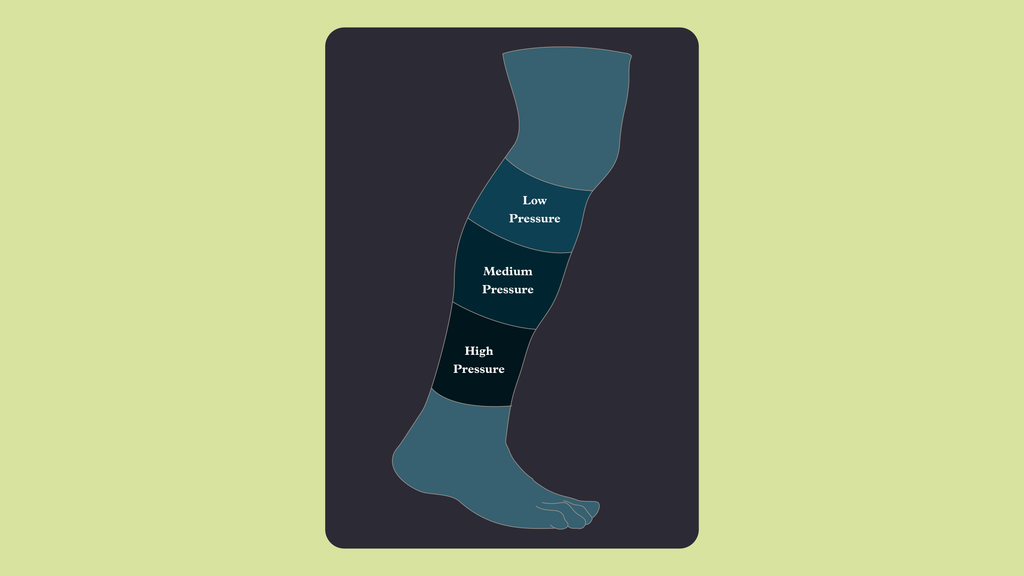
Compression garments help prevent swelling and reduce the risk of a thromboembolic event (e.g., deep vein thrombosis) during long-haul flights, and they can benefit athletic populations, too.[16,17] However, there are important considerations here to maximise their benefit. Compression socks or stockings that cover the entire foot and lower leg are best for travel. Athletes should avoid compression tights or calf sleeves, as these can potentially create a tourniquet effect, due to the higher compressive pressure at the seams of the garment. That could lead to greater swelling at the ankles.
During long bus or train journeys following competition, compression garments give the athletes a sense that they are actively doing something to facilitate their recovery and not just idling away the time.
Tweet ThisThe effectiveness is not necessarily in a single recovery metric, but more the ability to provide athletes a recovery strategy in the hours post-exercise while they are resting, running errands, or travelling.
Shane O’Riordan
How do you compare the effectiveness of other recovery modalities which enhance blood flow by similar means, with compression garments?
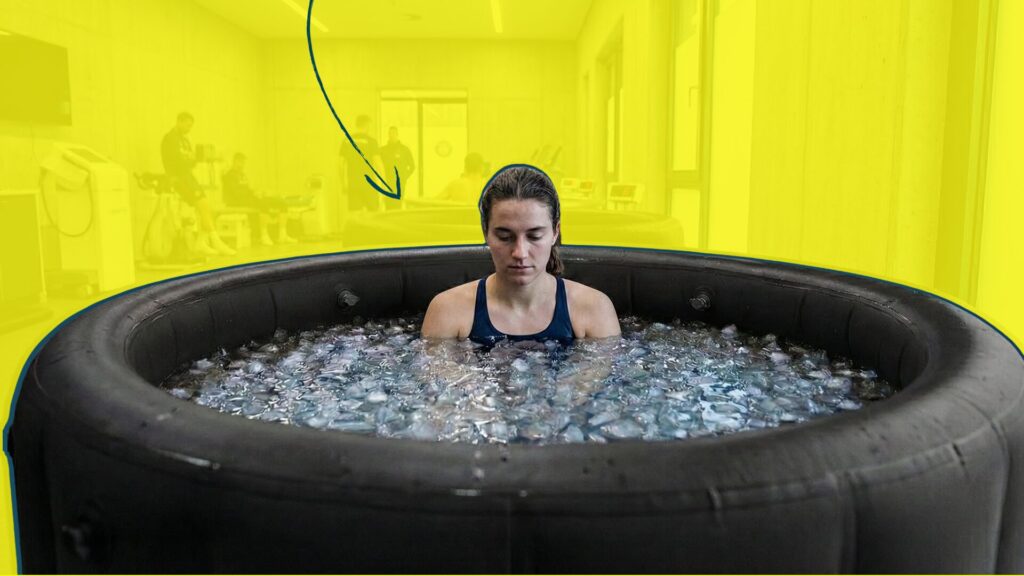
Several other recovery modalities, including massage, hot water immersion, and intermittent pneumatic compression, aim to improve exercise recovery by enhancing blood flow. Despite research showing that these strategies can increase blood flow, there is limited evidence directly comparing their effectiveness for improving exercise recovery. [18,19] A review by Dupuy et al.,[20] comparing several recovery strategies showed that massage may be the most effective for reducing DOMS, followed by water immersion and compression garments.
Perceived fatigue can be effectively managed using modalities that improve blood flow.
As there is no clear evidence that one modality is superior to the others, the choice may come down to practicality and personal preference. Massage requires a therapist. Water immersion requires specialist facilities or equipment. Both can require time after training or competition to complete. By contrast, compression garments are relatively cheap, require no personnel, and can be worn while travelling, relaxing, working or studying. This makes them much more accessible and practical.
Tweet ThisBy contrast, compression garments are relatively cheap, require no personnel, and can be worn while travelling, relaxing, working or studying. This makes them much more accessible and practical.
Shane O’Riordan
What are the most common misconceptions or pitfalls when it comes to compression garments?
A few common misconceptions include not identifying the correct type or size of the garment, wearing them during nighttime sleep (they might negatively impact sleep due to the extra layer of clothing), and athletes taking too long to replace old compression garments after they’ve lost their elasticity. As the elasticity of the garments deteriorates, the pressure they apply to the limb goes down.
Tweet ThisA few common misconceptions include not identifying the correct type or size of the garment, wearing them during nighttime sleep (they might negatively impact sleep due to the extra layer of clothing).
Shane O’Riordan