The sport and athletic performance industry has seen an explosion of new recovery gadgets and technologies over recent years, with slick marketing campaigns and anecdotes from athletes making it somewhat difficult for practitioners to navigate the plethora of devices. You only have to log on to Instagram, Twitter or Facebook to see pro athletes (or influencers) using inflatable recovery boots and sleeves, massage guns, compression garments, float tanks, muscle stimulators and cryotherapy chambers after their workouts.
What does the research say about these hyped-up recovery strategies and devices? Well, some of these techniques have their place. At the elite athlete level, they may even be the difference between finishing on the podium or not. But are they really necessary for the majority of athletes?
Tweet ThisWhile athletes put in the hard work at the gym and on the field, the bed, pantry and couch are where they will maximise their recovery and adaptations to training
@mattdriller
Before we look to these “icing on the cake” strategies to help us recover, we need to first acknowledge the pillars of recovery (Figure 1). These include adequate sleep, optimal nutrition and appropriate periodisation. Indeed, it is easy for athletes to overlook these old-fashioned yet proven strategies in exchange for some shiny new recovery toys. While athletes put in the hard work at the gym and on the field, the bed, pantry and couch are where they will maximise their recovery and adaptations to training.

One of the difficult things about working with highly motivated athletes is not pushing them to train more or go harder, but pulling them back and ensuring they get enough downtime, rest and recovery between sessions or phases of training. It is all very well to use the full gamut of recovery gadgets and strategies available but if you are simply training too hard with not enough rest, you run the risk non-functional over-reaching or overtraining [1]. If your athlete is overtraining (or under-recovering), you need to be able to recognize the common symptoms (Figure 2). On the flip side, if your athlete is only doing a couple of training sessions a week, like in the off-season, they are probably not training enough to warrant any other recovery strategies and might be better off letting the body do its thing!

What is “recovery” and why might it need some external help?
Before we even discuss selecting different recovery devices, we first have to establish what we are trying to achieve by using such tools.
Recovery modalities can act across various physiological, biomechanical, neurological or psychological domains [2] with the hope of speeding up the recovery process. Of course, individuals will recover from exercise naturally and at their own rate without any interventions, but the theory behind these products and processes is that they expedite recovery. Therefore, incorporating different recovery tools might permit athletes to minimise the deleterious effects of fatigue and muscle soreness, ultimately enabling them to maintain their performances levels in subsequent training and competition.

Most athletes learn to live with a level of residual soreness after training. Indeed, this is a key ingredient to adaptation. But high levels of soreness can be debilitating and deter athletes from further exercise or cause them to back off in subsequent training sessions. Muscle soreness and delayed onset of muscle soreness result from microtears, the mechanical disruption of the muscle fibres. This damage causes inflammation in the muscle fibres and the release of various substances that sensitize the nerves within the muscle. The end result is pain when the muscle contracts or is stretched [3].
The inflammation and microtrauma that occur in the muscle cell are essential for adaptations. The muscles strengthens so it can produce force again without the same degree of damage occurring.
This is where recovery strategies come in. While recovery device manufacturers make many different claims, for the most part the main aims are to reduce this muscle soreness or overall feelings of fatigue and aid the athlete’s ability to cope with their training load.
Tweet ThisWhile recovery device manufacturers make many different claims, for the most part the main aims are to reduce this muscle soreness or overall feelings of fatigue and aid the athlete’s ability to cope with their training load
@MattDriller
Does an athlete really need “recovery enhancement?”
While the pillars of recovery – sleep, nutrition, periodisation – require little or no equipment, equipment-based recovery modalities are proliferating. Where do we start with evaluating the efficacy of these icing-on-top strategies once the recovery foundation is in place?
A good starting point is evaluating how we determine whether something is effective, or whether there is sufficient evidence to support a particular tool or strategy. In the research setting, we have the hierarchy of scientific evidence (Figure 3). This is more of a guideline than an absolute rule. However, it provides us with a suitable basis for assessing whether science supports different recovery devices and strategies.

Many of the emerging recovery devices tend to fall in categories 2 and 3 of the pyramid. They simply haven’t been around long enough for us to perform the research, or there are not enough studies to draw accurate conclusions. There may be case studies, reports or even a handful of randomised controlled trials, but there are often not enough studies to warrant a thorough meta-analysis or systematic review on the topic. Therefore, we split this hierarchy of evidence into three sections, as shown in Figure 3.
Recovery strategies with a high level of evidence
Sitting at the very top of the pyramid are meta-analyses and systematic reviews. These are not experiments or individual studies themselves, but are reviews and analyses of many previous experiments.
Foam rolling
What does it claim to do?
A form of self-myofascial release, aiming to increase range of motion (ROM) at the joints, and relieve muscle tightness, soreness and inflammation.
What does the research say?
There are quite a few meta-analyses and reviews on the topic of foam rolling. These reviews strongly indicate that foam rolling is an effective method of improving ROM following exercise [4]. A 2020 review of 49 studies reported that foam rolling reduced DOMS and increased pressure-to-pain thresholds, and therefore may optimize recovery from training [5]. The review also suggested that the optimal dose to gain the ROM benefits seems to be 90-120 seconds of foam rolling (per muscle group).
While the ROM and DOMS benefits seem relatively consistent across studies and there appears to be no detrimental effect on recovery, the actual performance benefits are less clear. Not many studies have shown that increased ROM or decreased DOMS translates to athletic performance following foam rolling as a recovery strategy [6].
My verdict
Go for it! A cheap, portable and practical solution, every athlete should own a foam roller. On top of the potential post-exercise benefits to ROM and DOMS, the psychological benefit of a foam rolling session is also worth considering.
Tweet ThisWhile the ROM and DOMS benefits from foam rolling seem relatively consistent across studies and there appears to be no detrimental effect on recovery, the actual performance benefits are less clear
@MattDriller
Compression garments
What does it claim to do?
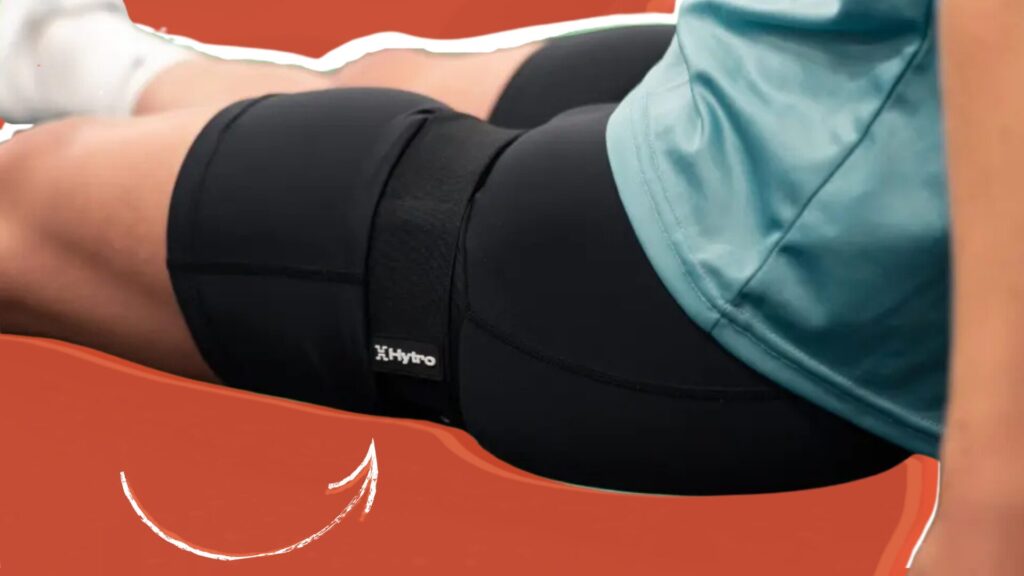
Compression garments have become a big business in the last 25 years, with almost every major sports brand including a compression line. Originating in the medical industry to treat various venous insufficiencies, in the sport setting, manufacturers claim all sorts of recovery benefits, including reduced muscle oscillation during exercise, increased blood flow, increased removal of metabolic waste, increased proprioception, reduced inflammation and swelling.
What does the research say?
In a meta-analysis of 23 studies, Brown et al. [7] reported that compression most effectively enhanced recovery after more than 24 hours post-resistance exercise [7]. They also suggested that compression garments might aid in next-day endurance performance, particularly in cycling. In another systematic scoping review of 183 compression studies, authors reported that compression garments led to potential increases in arterial blood flow, reduced muscle oscillation, improved proprioception properties and reduced perceptions of muscle soreness and pain following exercise. However, they suggested that the evidence was equivocal when it came to improvements in overall performance [6].
My verdict
While the performance benefits are inconclusive, there is enough to suggest that compression will improve perceptions of DOMS and feelings of recovery, while not likely to do any harm. A relatively inexpensive strategy that can be used in any post-exercise setting.
Photobiomodulation
What does it claim to do?
Unlike many of the trendy recovery strategies discussed in this article, photobiomodulation (PBMT, low-level light-emitting diode or laser therapy) probably does not receive as much attention in the professional athletic setting, despite plenty of research in the past 10 years. PBMT proposes to modulate biological processes of cells at the mitochondrial level, increasing oxygen consumption and production of adenosine triphosphate (ATP) while also reducing inflammation and attenuating DOMS.
What does the research say?
A few different meta-analyses report positive findings for PBMT, especially in relation to reducing muscle fatigue and increasing both muscular strength and endurance performance [8-10]. Further, a recent meta-analysis suggested that PBMT might be more effective than various methods of cryotherapy (cold water immersion or ice pack application) [11]. Many of the research studies in this area come from the same lab / group of authors, prompting questions about the quality of the studies. However, at this stage, PBMT does seem to show promise as a recovery strategy for athletes.
My verdict
I’m not sold on PBMT as a recovery strategy just yet. I would like to see more high quality research from multiple lab groups to corroborate the findings so far. If you have the money and are looking for an extra edge (plus a high novelty factor to leverage the placebo effect) then, by all means, give it a go.
Ice baths and cold water immersion
What does it claim to do?
Ice baths are not a new strategy, nor are they a device, as such. However, no recovery article would be complete without mentioning ice baths, as they are probably one of the most commonly researched (and used) recovery strategies.
The main claims behind ice baths and cold water immersion are that they reduce inflammation after exercise, promote blood and fluid shifts within the body, and reduce muscle soreness.
What does the research say?
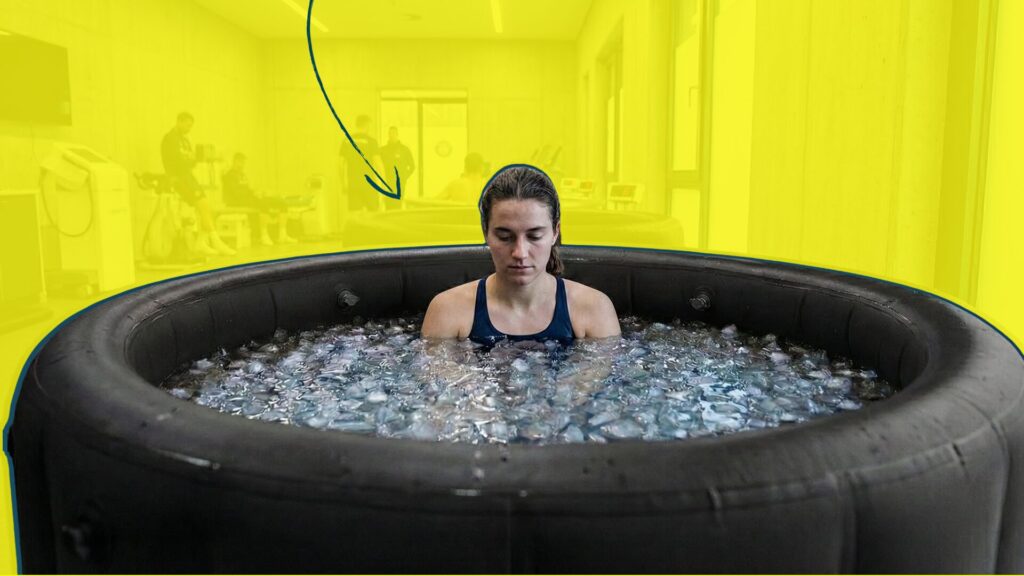
In general, meta-analyses and reviews on the topic tend to support their use as an acute post-exercise recovery strategy [12-14]. General recommendations for temperature and duration are 10-15C (50–59F) for 10-15 minutes. A note of caution about ice baths, though. Emerging research showed that chronic ice bath use after resistance training may have a negative effect on the muscle, blunting some of the adaptations. Chronic use may not have as much of an impact following aerobic exercise. though [15].
My verdict
Cold water immersion needs to be carefully periodised into an overall recovery plan, depending on the phase of the season. Just being in water can be a recovery strategy – even at the beach or in a swimming pool. The hydrostatic benefits of immersion in water are often overlooked when we focus so much on the temperature of the water.
Recovery strategies with a moderate level of evidence
Some of the other recovery devices in Figure 1 are either newer or require more research before we can accurately judge their efficacy. Some of these strategies may be the subject of meta-analyses or reviews, but those do not aggregate enough studies (20 studies is a useful rule of thumb) to draw accurate conclusions. Others will have a handful of RCTs.
Electromyostimulation (EMS)
What does it claim to do?
Electromyostimulation or neuromuscular electrical stimulation (EMS / NMES) involves placing electrodes on the muscles, with the aim of inducing muscle contractions to increase muscle blood flow and therefore muscle metabolite removal.
What does the research say?
Two systematic reviews are not overly complimentary of this method of athletic recovery, with both suggesting largely inconsistent findings and a tendency for EMS to be ineffective. In a 2014 review of 13 EMS studies, authors reported that only one study showed a performance benefit and three showed a benefit to reducing muscle pain [16]. A 2020 review of 11 studies reported similar findings, though they suggested that the different protocols, electrode placement sites and stimulation frequencies and intensities in the studies make it difficult to draw concrete conclusions [17].
My verdict
I wouldn’t support EMS as a recovery strategy based on the reviews above. We need more quality research on the newer devices. Given the cost of some of these devices, more effective recovery tools are available. However, the portability and practicality of EMS are two positives, so I will change my mind if new research emerges. But for now it’s a thumbs-down.
Cryotherapy chambers
What do they claim to do?
Whole body cryotherapy (WBC) involves short exposures (generally between 2-4 minutes) to very cold air (-100C / -150F) in a controlled room or chamber.
What does the research say?
A 2014 review on a series of small randomized studies found WBC offers improvements in subjective recovery and muscle soreness following metabolic or mechanical overload, but this did not seem to translate into functional recovery improvements [18]. Similarly, another review from 2017 identified 16 studies on WBC and reported that muscle pain decreased in 80% of these experiments. Two studies found recovery of athletic capacity and performance, and other benefits of WBC included reduction of inflammation and lower markers of muscle damage in the blood [19].
Despite some positive findings for WBC as a recovery technique, some studies have shown that cold water immersion may offer comparable physiological and performance recovery benefits to WBC [20,21], without the associated cost or practical considerations.
My verdict
Based largely on the cost, practicality and portability, I would not be going out of my way to buy a cryotherapy chamber. Even with some positive findings for muscle soreness, inflammation and muscle damage markers, athletes can obtain similar benefits with other strategies at a fraction of the cost.
Recovery boots or sleeves
What do they claim to do?
This technique is known by a few different names, including intermittent pneumatic compression, dynamic compression and sequential compression. They are all similar and involve leg or arm sleeves that exert high levels of pressure and inflate and deflate in a “massage-like” action. The theory behind their use is similar to compression garments: improving blood flow and venous return to reduce metabolic waste and muscle soreness.
What does the research say?
While a plethora of studies have come out in the last five years on this technique, there are not yet any systematic reviews or meta-analyses. Similar to compression garments, the majority of studies on recovery boots or sleeves report benefits to perceived muscle soreness, fatigue and recovery, with mixed findings on the actual benefit to athletic performance [22,23].
My verdict
All of the studies I have been involved with have shown some benefits, even if only to perceived muscle soreness and fatigue. I’ve never met an athlete who doesn’t like how they feel, and, when a massage therapist isn’t available, they could be a viable alternative. Despite the limited impact on performance in the research so far, they are a portable and practical tool that shows some promise. The cost for some brands can be high, so be a skeptical consumer and select the most appropriate tool for your budget.
Recovery strategies with a low level of evidence
Float tanks
What do they claim to do?
Flotation-restricted environmental stimulation therapy is involves athletes lying inside a light- and sound-proof tank that contains a saline solution at skin temperature. It is a method of sensory deprivation and elicits a relaxation response in clinical settings.
What does the research say?
While becoming a popular method of athlete recovery, with reports of professional teams including float tanks in their locker rooms or facilities, there are only a handful of studies on the topic. Those studies report promising effects of floating on perceived muscle soreness, blood markers, fatigue, mood, sleep and some performance measures [24-26]. While these reports are encouraging, we need more research to confirm the findings before we can make an accurate judgement.
My verdict
While I wouldn’t be rushing out to buy a float tank for your athletes just yet, if you have access to one at a reasonable cost, there is plenty of promise. It is unlike many of the other strategies discussed, and the main benefit may come from enforced rest and relaxation and switching off from the world for a short period of time (no phones in the tank!). It is a good psychophysiological recovery tool that athletes seem to either love or hate.
Massage guns
What do they claim to do?
Massage guns (or percussion massage therapy) propose to improve ROM, decrease muscle tension and soreness, and increase blood flow.
What does the research say?
Massage guns have become one of the most used yet least researched recovery tools of the last few years. In fact, a research database search of “massage guns and recovery” returns very few findings. One study showed an improved ROM following massage gun use, with no improvements in subsequent performance [27]. Another showed benefits for restoring muscle compliance and reducing stiffness [28], while another case study reported a case of rhabdomyolysis following the use of a massage gun [29]. Given the lack of research, and the potential risk of misuse, practitioners and athlete should take a cautious approach until more research is performed.
My verdict
I am open to changing my mind on this one after more research comes to light. However, despite its widespread use, practicality and anecdotal support, I certainly wouldn’t be forking out over $700 for a massage gun unless some new studies come out showing it is a recovery game changer. Athletes can probably achieve similar benefits with a $30 foam roller or trigger point ball, with much less risk!
Tweet ThisI certainly wouldn’t be forking out over $700 for a massage gun unless some new studies come out showing it is a recovery game changer. Athletes can probably achieve similar benefits with a $30 foam roller
@MattDriller
Occlusion / blood flow restriction / ischemic conditioning
What does it claim to do?
Blood flow restriction (BFR) has become a popular training tool, but it is less known as a recovery strategy. BFR uses cuffs or inflatable devices to induce periods of vascular occlusion followed by reperfusion, and has been proposed to improve vasodilation, oxygen utilization, muscle function and recovery following exercise.
What does the research say?
While BFR has been relatively well-studied as a pre- or during-exercise strategy, we know less about its impact on post-exercise recovery. While there have been some studies reporting positive effects [30,31] and others showing no effects [32,33], a recent meta-analysis on just six studies reported some improvements in performance recovery as well as reductions in creatine kinase and muscle soreness – but that these effects might be more pronounced in less-trained individuals [34].
My verdict
I’m sitting on the fence with this one. This strategy shows promise, but we need much more research in highly trained populations. Researchers and practitioners also need to consider the safety and discomfort elements before using this strategy with athletes.
What about the belief effect?
One thing seems to be consistent for most of these recovery gadgets and devices: they make you “feel” better.
While the research doesn’t always show a benefit to physiological, biomechanical, psychological or performance markers, more often than not, using these strategies will often result in perceiving lower levels of muscle soreness, pain and fatigue.
Is this just a placebo effect? Possibly… but the placebo effect is still an effect [35], a very powerful one at that. If your athletes believe something will help them feel better, they probably will! You could even say that as long as we know something won’t hinder recovery, then why shouldn’t we use them?
Deciding what to use and the road ahead
Many of these devices and modalities seem to have some positive influence on recovery, while others show little benefit or are inconclusive, requiring further research. But lab-based research evidence is only one consideration. Indeed, to be ahead of the curve and gain an advantage over competitors, sometimes practitioners need to trial untested strategies.
We also know that even if a strategy shows negligible recovery benefits, if the athlete believes the strategy works, then it possibly will! Finally, we have to also consider the cost of shiny new recovery tools. When we can achieve similar benefits for less cost, go for those cheaper alternatives. Figure 4 can help guide practitioners working with athletes when considering the use of new recovery tools and strategies.
Recover well!