
From your perspective, what is neurofitness and what role does it play in athletic performance?
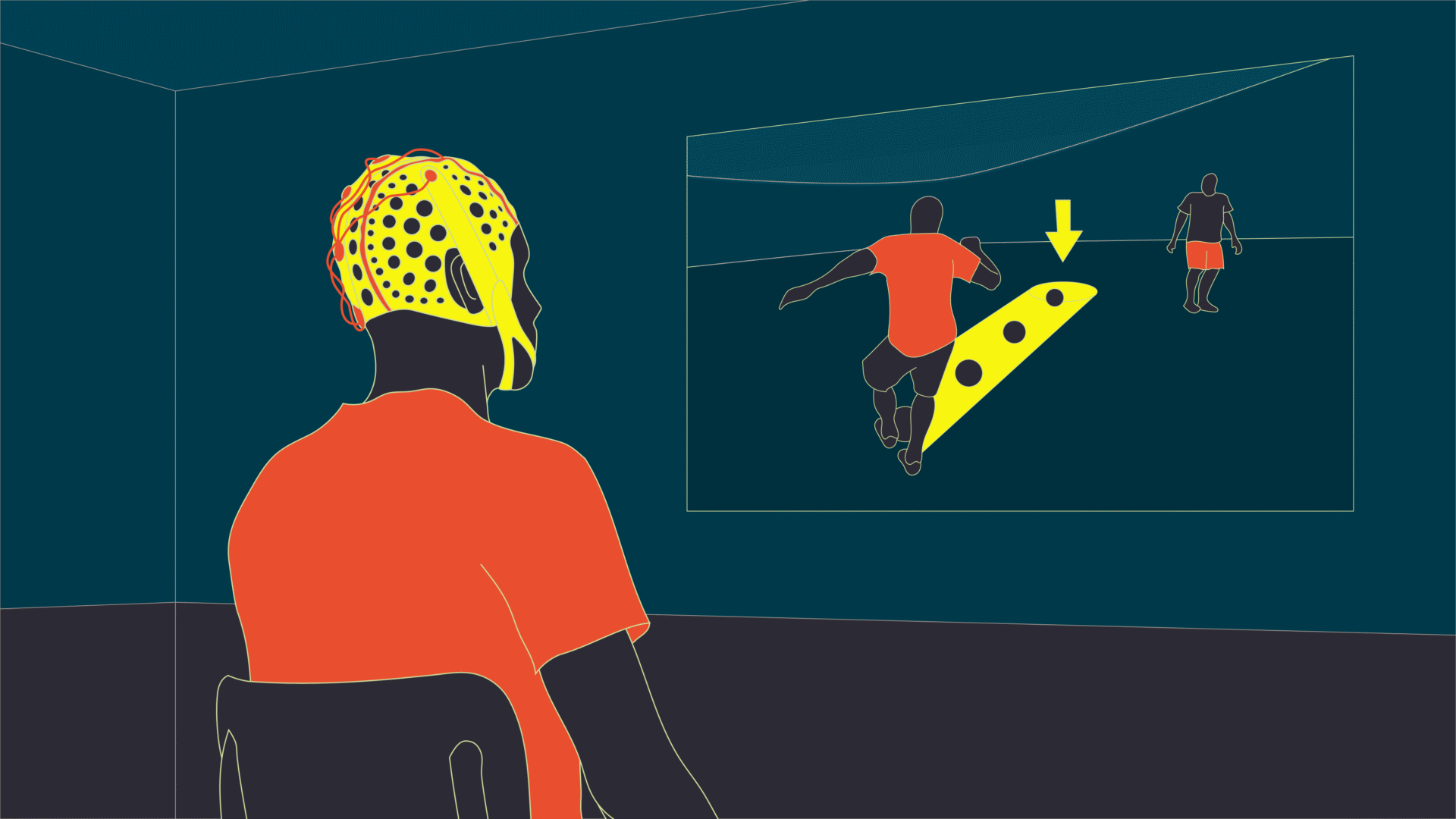
Neurofitness is related to the athlete’s ability to accurately identify a stimulus and correctly choose the appropriate response within the competition or training environment. An example is pass selection in soccer for a central defender. Neurofitness refers to their ability to identify the open / available player and corresponding passing lane against opposition pressure, not just once but to do it in the 80th minute with the same consistent success as they can in the 8th minute.
Fatigue can delay the perception of these options or the accurate identification of the “best” option. If an athlete cannot execute these perceptual and cognitive tasks in a timely manner, a turnover or error is more likely to result. We can condition the brain to filter out the noise by training the athlete in fatigue-inducing environments or events, enabling them to process vital information more efficiently.

What methods and technologies do you use to assess and monitor athletes’ neurofitness levels, and how do you use this information to guide training interventions?
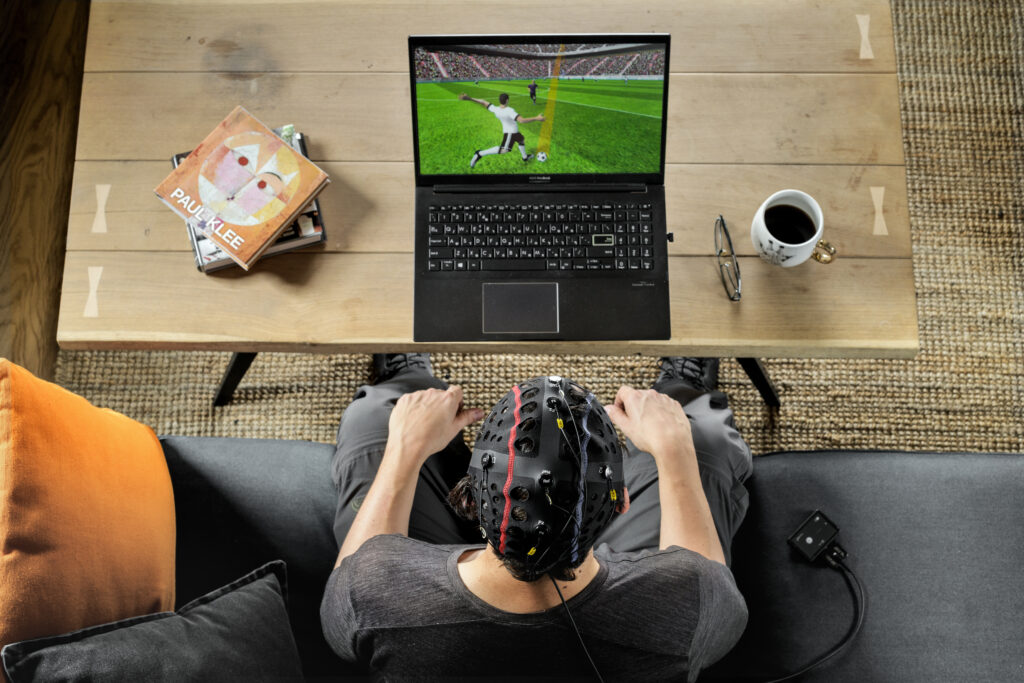
We implement i-Brain’s cognitive training system, which focuses on recognition and execution of finite task completion in soccer specific environments. This technology complements our traditional physical training curriculum to increase exposure to high value actions related to our on field success.
At Atlanta United, we condition our players so they can play through difficult, fatiguing moments while staying consistent with our technical objectives in our desired style of play. This involves exposing them to specific technical and tactical environments on the field at high repetition.
The unfortunate reality of this objective is the increased risk of injury that comes with high volume exposures of playing a specific pass over distance or shooting towards goal. Our competition schedule makes this even more difficult because of the number of games we need to prepare our players for, and our ongoing battle against the risk of fatigue accumulation at inappropriate times in the training cycle. i-Brain offers us the unique opportunity to focus intently on technical, sport specific actions while reducing the physical strain on the periphery, e.g., the hamstrings and adductors.
Tweet ThisWe can condition the brain to filter out the noise by training the athlete in fatigue-inducing environments or events, enabling them to process vital information more efficiently
@RyPAlexander
In what ways can other members of the coaching staff benefit from incorporating insights gained from tracking neurofitness?
The monitoring insight the sports science and coaching staff gains is secondary to the value the player gains from the incremental increase in exposure to sport specific actions.
The player’s ability to recognize the stimulus and, in response, activate the correct pathways in the brain to signal the execution of the action is an indirect measurement of cognitive preparedness. Tired players, whether that’s due to sub-optimal sleep or lengthy travel days, have a decreased level of alertness that presents itself in the i-Brain technology through increased failure rates.
This gives us insight into their potential for information retention on high tactical load days versus days when we present less information and have a larger focus on conditioning through simplified tasks.
Can you describe any research projects or studies you have been involved in related to neurofitness, and how have the results influenced your approach to training athletes?
Using the i-Brain system, we have measured players’ ability to focus on uniform, discrete soccer specific actions over the course of an eight week training cycle. We analyzed the difference in success versus failure based on specificity of the action to the player’s “typical” or preferred position.
Anecdotally, we saw correlations between success in the i-Brain technology and the positional roles of the players on the team. For example, the players traditionally tasked with taking set pieces, corner kicks or wide free kicks were more successful than those players less familiar with those actions or those that didn’t train those actions as much. This supports the intentional training theory and has led us to include the i-Brain system in our training curriculum to complement our physical training program. By doing so, we incrementally increase the athletes’ exposures to soccer specific actions.
Nothing will ever replace the act of striking a ball and practicing in the sport environment. But by implementing i-Brain, we feel we are better supporting our players with multiple modalities of technical, intentional training stimuli without significantly increasing the risk for injury; nor sacrificing physical performance on match day due to accumulating overwhelming amounts of fatigue.
Tweet ThisThe i-Brain technology complements our traditional physical training curriculum to increase exposure to high value actions related to our on field success
@RyPAlexander
How do you stay up to date with the latest trends and advancements in sports science, and what resources do you rely on for information and inspiration?
The academic literature is a resource that we rely on at Atlanta United to challenge the new trends and advances, mainly related to sports technology.
Prior to implementing any modality at the Club we execute our due diligence process to assess validity, reliability and appropriateness within our existing culture and processes. Any level of data / information we collect must be packaged in a way that we can take the appropriate actions based on it. We experimented with a couple different use cases for the i-Brain technology to find the correct fit within our training curriculum. We are committed to continuously pushing the boundaries of training norms to achieve optimal levels of performance for our players, but never at the sacrifice of the players’ health and wellness. That is where we have capitalized on i-Brain. This technology focuses on a unique element of performance without increasing our risk of injury.
What are the biggest mistakes you see young practitioners / clinicians make and what advice would you give them to help?
The evolution of sport technology in our field has been immense in the last decade. We are so fortunate to be able to support our athletes with so many different insights into their preparation, recovery, and performance. The information, at times, can be overwhelming and it is important to prioritize the sports technologies you implement based on the return they offer, as well as their culture appropriateness within your training environment.
Volume of information is nothing without quality, and all information should be actionable within a reasonable timeline.
An important aspect of quality is the need for valid and reliable information. We need to be certain what the metrics represent and how they correlate to our Club’s performance.
Never sacrifice on your due diligence. Take the time to invest in small scale trials of any implementation on the front end to see how it integrates into your current processes. Start small and simple, then build in complexity so you are always focused on maintaining high levels of compliance. That way, you create a positive culture around sports science and performance support in your training environment.
Tweet ThisNeurofitness is related to the athlete’s ability to accurately identify a stimulus and correctly choose the appropriate response within the competition or training environment
@RyPAlexander