People in sports are interested in recovery, and have a lot of questions. What should we do for recovery? What are the latest strategies and devices to accelerate athletes’ recovery? Sleep is important, so how do I improve sleep for myself / my athletes / my staff? What does recovery innovation look like?
The first question they should be asking is: Do they believe in recovery?
Belief and buy-in behind recovery
I do believe in recovery science, because I believe recovery is part of the training process. When you work with athletes or in human performance, you want to push people to their limits so they can get better. And when you push people to their limits, they need to recover to be able to keep pushing and performing at their best.
Plus, “good stuff” happens during the recovery phase. It’s the period that allows the body to heal, replenish energy stores, repair tissue, restore hormones’ balance, enable learning and memory fixation to occur, supports the immune system and so on.
And you? Do you believe in recovery? Because if you don’t really believe in it you won’t put the effort, time and resources into your program for recovery; nor push your athletes and your organization to invest and appreciate it. If you don’t believe in recovery, the team coaches will not support making time for recovery nor will management provide the necessary human and material resources.
Do your athletes believe in recovery? Because if they don’t it won’t be a priority for them. You’ll expend more time trying to figure out how to get buy-in from the athletes to do recovery rather than developing strategies to actually maximize recovery.
The athletes make it interesting. Sometimes they believe in recovery, but only in the specific strategies they like, or the strategies they find work for them. Then the conversation turns to how to change their behaviors and habits, to make recovery part of their lifestyle, using the appropriate strategies to attack the right stressors at the right time.
What are athletes recovering from?
Assuming we all believe in recovery, the next step is to have a deep understanding of the stressors the athlete has to deal with.
Stressors can be central or peripheral, physical, physiological, mental or lifestyle-related, acute or long-term. Performance practitioners can gather information about the stressors an athlete experiences by having conversations with the athlete; connecting what they see everyday to what they know from experience and reading the literature; and by tracking and monitoring the key stressors of the sport .
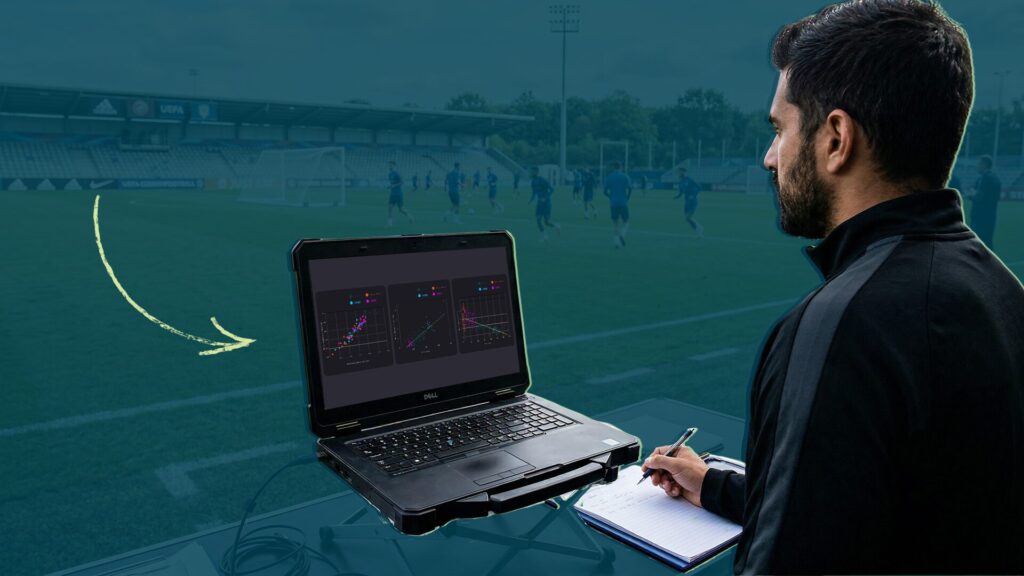
If the stressors are physiological – related to attributes such as hydration, nutrition and metabolism, inflammation and oxidative stress, muscle damage and so forth- resources such as force plates, biomarkers, sweat or glucose patches or heart rate tracking will provide objective data about how the athlete’s body responds to those stressors.
In the mental area, things can be trickier to monitor. Conversations, subjective questionnaires and diaries, or collaborating with a specialist might provide more insight than recovery technology can.
Once we know what we are dealing with, we can look for the best strategies to address those stressors.
Start with the stressors, not the strategies.
Train, rest, compete, repeat vs. Instagram #RecoverySesh
Nowadays there’s an urge to use sexy recovery technology, tools and devices in order to recover. Social media is a great resource for information. But it also can confuse people and lead to a copy-paste of what others (say) they do, leaving aside the context of those stressors we mentioned above, which are essential to consider.
Oxygen chambers, sleep pods, photo-biomodulation therapy through infrared light, compression and pneumatic compression, percussion and vibration massage devices, cryotherapy, IV vitamins drops… You name it, and it’s on social media, where players share what they use and how it’s all working amazingly for them. It might work, but the placebo effect and the “believe effect” can play in our favor tremendously. We have to be aware that something may be only a placebo, or only works for that specific person, i.e., responders vs. non-responders. When that’s the case, we are not getting the physiological effect we are really looking for.


The pillars of recovery that have more support from research and evidence-based practice are sleep (rest) and nutrition, to include supplementation when needed.
Only after we attend to these fundamentals in the best way possible should we look to other great resources that can help and accelerate specific aspects of recovery, such as dehydration, muscle damage, inflammation / edema, oxidative stress, joint mobility, removal of waste products, minimizing fatigue, pain relief and perception, and mental stress. (Figure 1 and 2).


Recovery innovation: New vs. repackaged
Innovation can be an invention or an iteration, something totally new or an improvement on something that already exists. But to be an “innovation,” it has to be both different and better.
So is that the case for those sexy tools and devices? Are they better than hydrotherapy, for example, one of the strategies with more research behind it? For example, in my paper “The Properties of Water and Their Applications for Training,” we can see how the water provided more benefits for recovery than just thermoregulation.
Contemporary research has provided a greater understanding of certain recovery strategies. For example:
- The influence of light exposure on our hormonal system and circadian rhythms, and how it might impact our sleep.
- The benefits of specific micronutrients such as magnesium on sleep.
- The use of hyperbaric oxygen therapy to help fight bacteria and stimulate the release of growth factors and stem cells, which promote healing.
We should use new techniques when they truly are better than what went before and can take us to the next level. But the basics are essential. Innovative recovery strategies will impact your athletes and your program only when you put them in the proper context, at the right time and for the right reasons.
Examples of some trendy strategies
Percussion and vibration massage devices
Percussion and vibration massage devices show promise for enhancing recovery. But as with many emerging technologies, the evidence so far suggests only positive perceptual benefits, and more research is needed to examine the physiological and performance effects.
Recommendations for use are not standardized and are generally based on athlete preference or manufacturer’s guidelines.
- Increased circulation
- Increased range of motion
- Decreased muscle stiffness and tension
Pneumatic compression
Pneumatic compression (Hyperice, Therabody) is an emerging recovery technology, so there is minimal research into its efficacy or optimal protocols for use. However, the perception of relaxation and lower limb recovery has made this tool one of the most popular in the last few years.
Bringing innovation to individual athletes’ recovery
People with different characteristics needs different things: young vs older; single vs. family context; time constraints; beliefs; habits; behaviors; lifestyle. There is no one answer or solution for recovery. Even a menu with the best and more innovative recovery strategies is little more than a broad starting point.
Empowering and motivating the athlete to identify their own solutions to problems will likely result in a longer term success. With our knowledge, experience and resources, we can also educate them on what might be the best, so they can know the why, how, what and when.